
Blooming
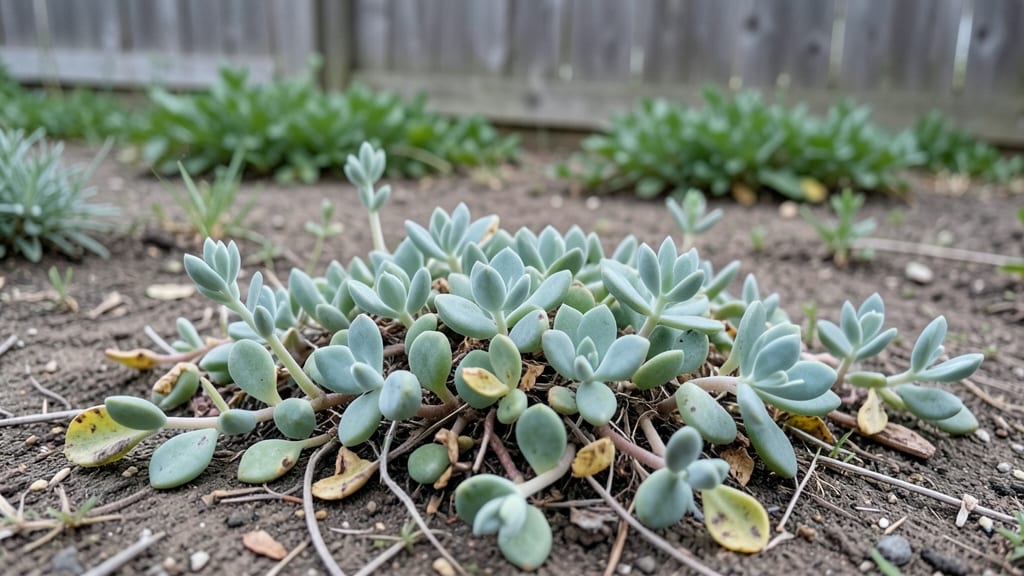
Your portulaca not blooming might be the plant’s way of telling you it needs more sun, less water, or a different fertilizer. 🌿 I’ve nursed back several stubborn portulaca plants by tweaking just one or two things—and the results are shockingly lush clusters of blooms within weeks.
The key is understanding what this drought-tolerant succulent actually wants, not what you think it needs.
Most gardeners overwater or underfeed portulaca, both of which stunt blooming. This plant thrives on neglect—give it bright, direct sunlight (at least 6+ hours daily), well-draining soil, and sparse feeding with a low-nitrogen fertilizer.
The moment you adjust these, you’ll notice new buds forming within 10-14 days. No fancy tools or expensive amendments required—just a closer look at what’s missing.
Once you fix the basics, pruning spent blooms encourages fresh ones to take their place. Pinch back leggy stems to promote bushier growth, and watch as your portulaca transforms from a sad green bush into a vibrant, blooming powerhouse by midsummer.
The best part? These tricks work for both in-ground plants and container-grown portulaca, making them perfect for patios or sunny windowsills.
If your portulaca still resists, check for pests or disease—yellowing leaves or sticky residue often mean it’s time for a gentle neem oil spray. The solution is almost always simpler than you’d expect, and the payoff is worth the effort. Let’s get those flowers back in full force!
Why it happens
If your Portulaca grandiflora (or moss rose) is sitting pretty but refusing to burst into color, the issue likely stems from one—or several—fundamental growing conditions. Succulents like portulaca are tough, but they’re also highly sensitive to specific triggers that prompt flowering.
Let’s break down the science behind why your plant might be playing hard to bloom.
🌱 Insufficient Light Exposure
Portulaca is a sun-worshipper, and without enough light, it simply won’t bother flowering. These succulents thrive in full sun (6+ hours daily), but many gardeners unintentionally starve them of light by placing them in partial shade or indoors with weak artificial lighting.
The photoperiodism (light-dependent flowering response) of portulaca is triggered by high-intensity sunlight. When light levels drop below 3,000–5,000 lux (common in shaded spots), the plant shifts into survival mode, prioritizing leaf growth over blooms.
Even filtered sunlight through sheer curtains can be enough to trick it into thinking it’s winter.
Actionable fix: Move your portulaca to a south-facing window (if indoors) or a sunny garden bed. If outdoor temps exceed 90°F (32°C), provide afternoon shade to prevent leaf scorch—but never full shade.
💧 Watering Woes: Too Much or Too Little
Portulaca’s flowering is directly tied to stress responses, particularly mild water stress. Overwatering or soggy soil sends mixed signals to the plant, suppressing blooms. Meanwhile, consistent drought stress (within safe limits) can actually trigger flowering in many succulents, including portulaca.
Here’s the science:
- Overwatering: Excess moisture delays dormancy and prevents the plant from entering its natural flowering cycle. Portulaca roots rot easily, and a waterlogged plant diverts energy to recovery instead of blooms.
- Underwatering (severe): While mild stress helps, chronic dehydration weakens the plant, stunting growth and preventing flower buds from forming.
- Inconsistent watering: Portulaca needs dry periods between waterings to mimic its native arid conditions. If you water every 2–3 days, the plant never gets the "wake-up call" to bloom.
Actionable fix:
- Let the top 1–2 inches of soil dry out between waterings (stick your finger in—if it’s damp, wait!).
- Use well-draining soil (cactus/succulent mix + perlite/pumice).
- Avoid watering in the evening to prevent fungal issues that stress the plant.
🌡️ Temperature and Seasonal Mismatch
Portulaca is a warm-season bloomer, and it needs specific temperature cues to trigger flowers. If your plant isn’t getting the right seasonal signals, it’ll stay in a vegetative state.
The key factors:
- Daytime temps: Ideal range is 70–90°F (21–32°C). Below 60°F (15°C), growth slows, and blooms stall. Above 95°F (35°C), the plant may bolt (go to seed) instead of flowering.
- Nighttime temps: A 10–15°F (-12 to -9°C) drop at night can enhance flowering by mimicking natural seasonal changes. Many gardeners accidentally keep portulaca in consistent warm nights (e.g., greenhouses, indoor setups), which prevents dormancy-like signals.
- Seasonal timing: Portulaca blooms spring through fall. If you planted it in late summer or fall, it may not have enough time to establish roots before winter dormancy kicks in.
Actionable fix:
- Move potted portulaca outside in spring (after last frost) for natural temperature swings.
- If indoors, place near a window with cool nights (e.g., a vent or open window).
- Avoid heated greenhouses in winter—portulaca needs a cool rest period (50–60°F/10–15°C) to reset for spring blooms.
🌿 Nutrient Imbalances: Too Much or Wrong Kind
Portulaca is a light feeder, and over-fertilizing—especially with high-nitrogen products—will promote leafy growth at the expense of flowers. These succulents also need specific micronutrients to trigger blooming.
The science behind the struggle:
- Excess nitrogen (N): Too much N (common in lawn fertilizers or balanced 10-10-10 mixes) makes portulaca grow like a weed but skips the flowering stage. The plant prioritizes vegetative growth over reproductive efforts.
- Phosphorus (P) deficiency: Phosphorus is the "bloom booster" in fertilizers. Without enough P, portulaca can’t develop flower buds, even if other conditions are perfect.
- Potassium (K) imbalance: Potassium helps stress tolerance and flower formation. Low K levels weaken the plant’s ability to initiate and sustain blooms.
- Micronutrient gaps: Deficiencies in calcium, magnesium, or boron can also halt flowering. For example, boron is critical for cell wall development in buds.
Actionable fix:
- Use a low-nitrogen, high-phosphorus fertilizer (e.g., 5-10-10 or 2-7-7) once in early spring and again when buds form.
- Avoid fertilizing in summer heat—portulaca goes dormant and doesn’t need extra nutrients.
- For potted plants, flush soil with water every 2–3 months to prevent salt buildup from fertilizers.
- Add compost or worm castings (lightly) to improve micronutrient availability.
🌿 Age and Plant Maturity
Young portulaca plants (under 6 months old) often won’t bloom because they’re still focusing on root and stem development. These succulents are annuals or short-lived perennials, and their flowering cycle is tied to maturity.
Key stages:
- Seedlings (0–3 months): All energy goes to leaf and root establishment. No blooms—this is normal!
- Juvenile (3–6 months): Plants may produce a few small flowers if conditions are ideal, but full blooming is rare.
- Mature (6+ months
Revive Your Portulaca’s Blooms Now
If your Portulaca (purslane) is refusing to bloom, don’t panic! With the right adjustments, you can coax those vibrant flowers back to life. Below, we’ve mapped out targeted fixes based on the most common causes—plus proactive tips to keep your succulent thriving long-term.
🌞 Too Little Sunlight? Boost Light Exposure
Portulaca is a sun-loving plant, and insufficient light is a top reason it skips blooming. If your plant is in a shady spot or indoors near a north-facing window, it’s time to move it.
How to Fix It:
✅ 🔥 Relocate to Full Sun
- Place your Portulaca in a spot that gets 6+ hours of direct sunlight daily (south or west-facing windows or outdoor containers).
- If outdoors, avoid deep shade—even partial shade can stunt blooms.
✅ 🌡️ Use Grow Lights (Indoor Hack)
- If natural light is limited, supplement with a full-spectrum LED grow light (12–14 hours/day).
- Position it 6–12 inches above the plant for best results.
💡 Pro Tip: Rotate your pot weekly to ensure even light exposure—this prevents leggy growth and encourages blooms.
💧 Overwatering or Poor Drainage? Fix the Moisture
Portulaca is drought-tolerant, and soggy soil or poor drainage can stress the plant, halting flower production. If the roots are sitting in water, they’ll focus on survival—not blooms.
How to Fix It:
✅ 👨🍳 Check the Soil
- Stick your finger 1–2 inches deep into the soil. If it’s damp, wait to water.
- Portulaca prefers soil that’s completely dry between waterings.
✅ 🔪 Upgrade Your Pot & Soil
- Use a terracotta or well-draining pot with drainage holes.
- Mix in perlite or coarse sand (20–30%) to improve aeration.
- Avoid heavy, water-retentive soils (like garden soil alone).
💡 Pro Tip: Water only at the base—avoid wetting the leaves to prevent rot.
🌱 Nutrient Deficiencies? Feed It Right
Without the right nutrients, Portulaca may produce leaves but skip the flowers. A lack of phosphorus (key for blooming) or nitrogen imbalance can be the culprit.
How to Fix It:
✅ 📊 Use a Balanced Blooming Fertilizer
- Switch to a low-nitrogen, high-phosphorus fertilizer (e.g., 5-10-10 or 7-9-5 ratio).
- Apply every 4–6 weeks during the growing season (spring–fall).
✅ 🥗 Organic Boost (DIY Option)
- Mix 1 tbsp of bone meal (phosphorus-rich) into the soil at planting.
- Alternatively, use compost tea or fish emulsion for a gentle nutrient kick.
💡 Pro Tip: Stop fertilizing in late summer—Portulaca often goes dormant in fall/winter, and extra nutrients can harm it.
🌡️ Temperature or Humidity Issues? Adjust the Climate
Portulaca thrives in heat but struggles with extreme cold or high humidity. If your plant is in a damp, chilly environment, it may conserve energy by not blooming.
How to Fix It:
✅ 🌡️ Keep It Warm
- Ideal temps: 70–90°F (21–32°C).
- If outdoors, bring pots inside before frost (Portulaca is not frost-hardy).
✅ ✨ Improve Airflow
- Place a small fan nearby (on low) to mimic breezy conditions.
- Avoid crowded pots—overcrowding increases humidity around leaves.
💡 Pro Tip: If humidity is high (e.g., bathroom or kitchen), move the plant to a drier area.
🌿 Pruning & Deadheading: Encourage More Blooms
Even if your Portulaca isn’t blooming yet, proper care can trigger flowers. Pruning and deadheading (removing spent blooms) redirect energy to new growth.
How to Fix It:
✅ 🔪 Trim Leggy Stems
- Use clean scissors to snip back overgrown stems by 1/3 to encourage bushier growth.
- Focus on stems with no buds—this signals the plant to produce new ones.
✅ 🌸 Deadhead Regularly
- Pinch or cut off faded flowers to prevent seed production.
- This tricks the plant into focusing on new blooms instead of reproduction.
💡 Pro Tip: Do this in the morning—fresh cuts heal faster in daylight.
🛡️ Pest or Disease Stress? Inspect & Treat
Pests like aphids or fungal issues (from overwatering) can weaken your Portulaca, causing it to skip blooming. A quick inspection can reveal hidden problems.
How to Fix It:
✅ 🔍 Check for Pests
- Look for sticky residue (aphids), holes (spider mites), or yellowing leaves (thrips).
- Treat with neem oil spray or insecticidal soap if needed.
✅ 🌡️ Prevent Fungal Issues
- Ensure the pot has drainage holes and avoid water pooling.
- If leaves are mushy, remove affected parts and let the soil dry out.
💡 Pro Tip: Isolate the plant if pests are present to prevent spreading.
With these fixes, your Portulaca should start producing bright, cheerful blooms in 2–4 weeks. The key is consistency—adjust one factor at a time (like light or water) and monitor progress. Happy gardening! 🌸
Frequently asked questions
Why isn’t my portulaca blooming despite giving it plenty of sun?
Even with sunlight, portulaca may skip blooming if it’s overwatered or lacks proper soil drainage. Succulents like portulaca thrive on dry soil—let the top 1–2 inches dry out between waterings. Overwatering stresses the plant and diverts energy away from flowers. Also, check for root rot by gently lifting the plant; if the roots are mushy, reduce watering immediately.
How do I encourage my portulaca to bloom faster?
Try a few simple tweaks to jumpstart blooming! First, switch to a low-nitrogen, high-phosphorus fertilizer (like 5-10-10) to boost flower production. Second, deadhead faded blooms regularly to encourage new growth. Finally, ensure your plant gets 6+ hours of direct sunlight daily—this is the #1 trigger for portulaca to produce vibrant blooms.
Can I bring my portulaca indoors to encourage blooming?
Yes, but with adjustments! Place your portulaca near a south-facing window for the brightest light. If natural light is limited, use a full-spectrum grow light for 12–14 hours/day. Keep humidity low (avoid bathrooms) and avoid overwatering—indoor air is often too damp for this drought-loving plant. Rotate the pot weekly for even light exposure.
Is my portulaca too young to bloom?
Portulaca typically needs 6+ months to mature enough for blooming. If your plant is younger, focus on healthy growth first—provide full sun, well-draining soil, and minimal water. Once it’s established, blooms should follow naturally. Even young plants may produce a few flowers, but full blooming usually comes with maturity.
What should I do if pests are preventing my portulaca from blooming?
Pests like aphids or spider mites weaken plants and halt blooming. Inspect leaves for sticky residue or tiny holes—if found, treat with neem oil spray or insecticidal soap. Isolate the plant to prevent spreading, and ensure proper airflow by avoiding crowded pots. Healthy plants with strong roots are less likely to attract pests, so keep soil dry and light conditions ideal.