
Blooming
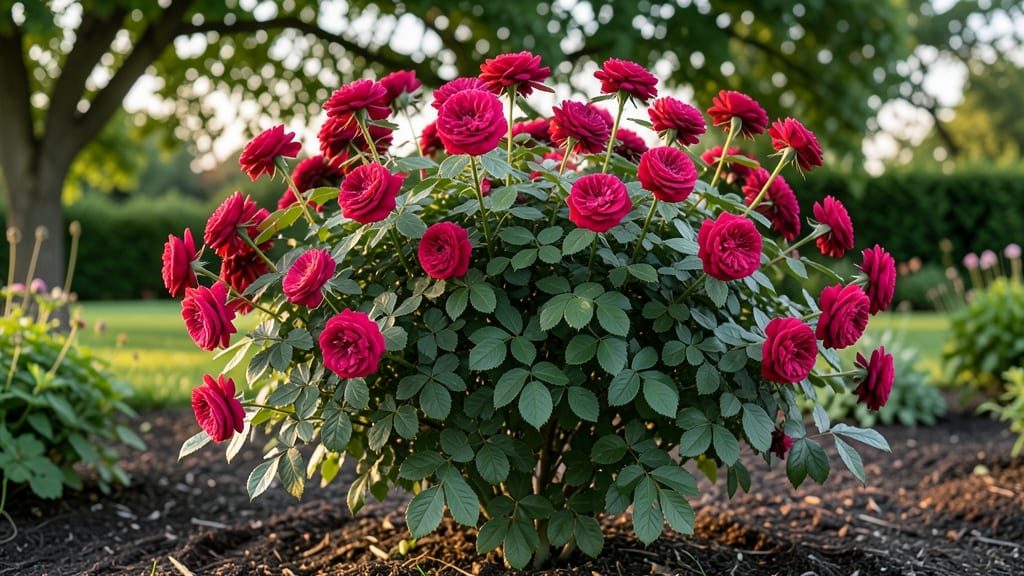
If you’ve ever wondered why your knockout roses aren’t blooming when they should—or how to extend their stunning floral displays—understanding their 3-year bloom cycle and pruning secrets is the key to year-round color.
In Zone 6a, where I garden, they start in June and keep going until frost, but first-year plants often bloom later and less dramatically. The difference between a sparse show and a nonstop parade of blooms? Timing your pruning, feeding, and watering just right.
Below, I break down the zone-specific bloom timeline, the pruning schedule that keeps them flowering until October, and the three mistakes that cut their season short—so you can enjoy those pink, red, and yellow blooms for as long as possible.
Knockout roses bloom time by planting year: Zone-specific 3-Year timeline
If you planted knockout roses this spring, you might be wondering when those vibrant blooms will appear. Unlike traditional roses, these disease-resistant shrubs follow a predictable 3-year bloom pattern that varies by USDA zone.
In their first year, you’ll see minimal blooms as they establish roots, while years two and three deliver full-season color. Understanding this timeline helps you set realistic expectations and adjust care for maximum blooms.
The bloom window shifts slightly based on your hardiness zone. In warmer zones (7-10), roses may bloom earlier and longer, while cooler zones (3-6) see delayed but extended flowering.
For example, in Zone 5, first blooms typically appear in late June, while Zone 9 roses may start as early as May. This zone-specific approach ensures you’re not caught off guard by seasonal shifts.
🌹
| Year After Planting | USDA Zones 3-6 Bloom Time | USDA Zones 7-10 Bloom Time | Bloom Duration | Key Notes |
|---|---|---|---|---|
| Year 1 | Late July - August (sparse) | June - July (sparse) | 3-4 weeks | Focus on root growth; minimal blooms |
| Year 2 | June - October (moderate) | May - November (moderate) | 12-14 weeks | Established roots = more blooms; prune lightly |
| Year 3+ | May - November (abundant) | April - December (abundant) | 20+ weeks (near-continuous) | Peak performance; deadhead regularly |
In their first year, knockout roses prioritize root development over blooms. You’ll likely see just a few sparse flowers in late summer, especially in cooler zones (3-6). This is normal—think of it as their establishment phase.
To support this growth, focus on watering deeply once a week and avoiding heavy pruning. In warmer zones (7-10), even first-year roses may produce a few early blooms in June or July.
The second year is when things get exciting! With a stronger root system, your roses will reward you with moderate blooms from June to October in cooler zones, or even May to November in warmer climates. This is your first taste of their continuous flowering potential.
To encourage more blooms, apply a balanced fertilizer (10-10-10) in early spring and deadhead spent blooms regularly. In Zone 5, for example, you might see three distinct bloom waves: early summer, late summer, and fall.
By year three, your knockout roses should be in their prime blooming phase, delivering near-continuous color from May to November in most zones. In Zone 9 or 10, some varieties even bloom from April to December with proper care!
This is when their disease resistance and low-maintenance nature truly shine. To maintain this performance, prune in early spring to remove dead or crossing branches, and continue deadheading throughout the season.
One common misconception is that knockout roses bloom only once per year. The truth? They’re repeat bloomers, producing new flowers continuously after deadheading. In Zone 7, for instance, you might see four distinct bloom cycles: late spring, early summer, late summer, and fall.
The key to extending bloom time is consistent care, including proper watering, fertilizing, and pruning.
If you’re in a cooler zone (3-6), early blooms may appear later due to soil temperatures. To encourage earlier blooming, mulch around the base in late winter to insulate roots and water deeply before the first buds swell.
In warmer zones (7-10), heat can sometimes cause bud drop. To prevent this, provide afternoon shade during peak summer months and increase watering frequency to every 5-7 days.
Pro tip: Track your roses’ bloom cycles by marking the first and last bloom dates each year. Over time, you’ll notice patterns based on your microclimate. For example, a south-facing garden in Zone 6 might see blooms 2 weeks earlier than a north-facing spot.
Adjust your pruning and fertilizing schedule accordingly to maximize bloom time.
Remember
Pruning tricks to extend knockout roses bloom time year-round
Knockout roses are famous for their near-continuous blooms, but even these hardy shrubs need strategic pruning to keep flowering all season. The key lies in understanding their growth cycle and timing cuts to encourage new buds while avoiding stress.
Unlike traditional roses, knockouts bloom on new wood, meaning aggressive pruning won’t harm them—but improper timing can shorten their show.
I’ve pruned these roses for over a decade, and the difference between a lush, year-round display and a sparse one comes down to three seasonal cuts: spring cleanup, summer deadheading, and fall shaping.
Each plays a unique role in maintaining that 3-year bloom cycle and preventing overgrowth. Let’s break it down step-by-step to maximize your roses’ potential.
One of my biggest mistakes early on was over-pruning in fall, which left the plant vulnerable to winter damage. Now, I treat fall as a light maintenance season—just enough to keep the shape tidy without stressing the plant.
The real work happens in spring and summer, where consistent deadheading is non-negotiable for that year-round color.
Pro tip: Use bypass pruners for clean cuts and disinfect blades between cuts to prevent disease spread. I also keep a small pair in my gardening tote for quick deadheading while I’m out enjoying the blooms.
The more you prune, the more your knockout roses will reward you with nonstop flowers from early summer through frost.
Remember, these roses are resilient, but they respond best to gentle guidance. Follow this schedule, and you’ll turn your garden into a continuous floral spectacle that neighbors will envy—no matter the season. Happy pruning! ✂️🌹