
Blooming
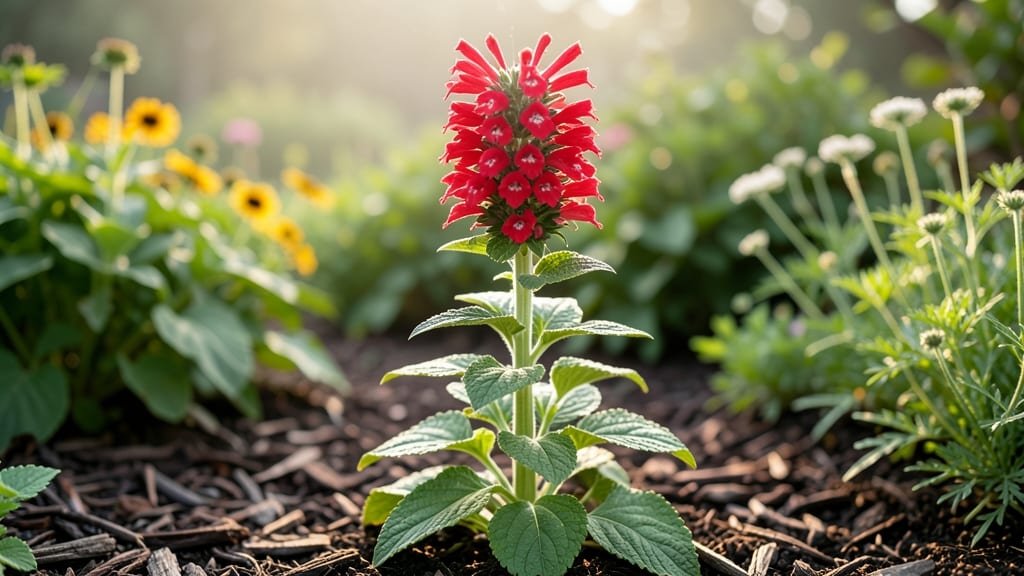
Bee balm bloom season turns your garden into a pollinator paradise in late spring through summer 🐝—but only if you time your care right.
Picture this: you’ve waited all season for those vibrant clusters of red, pink, or purple, only to see them fade too soon. The secret to longer blooms isn’t just luck—it’s knowing when and how to deadhead, plus a few simple tricks to keep your plant thriving.
In USDA Zone 6a, like many gardens, bee balm typically kicks off in June and can last until August with proper care. But regional shifts—like earlier starts in warmer zones—mean your timeline might differ.
Below, I’ll walk you through the exact bloom window for your area, the step-by-step deadheading method to trigger a second flush of flowers, and how to avoid common mistakes that cut blooms short.
Bee balm bloom season timeline: when to expect peak flowers & deadhead
Bee balm (Monarda spp.) transforms summer gardens with its vibrant red, pink, or purple blooms—but its bloom season varies wildly based on variety, location, and care.
Wild types like Monarda fistulosa (wild bergamot) bloom earlier than cultivars like 'Jacob Cline' or 'Marshall's Delight', which pack bigger, showier flowers. Understanding these differences helps you time deadheading for continuous color.
In USDA zones 3-9, bee balm typically blooms from late June to early September, but regional microclimates shift these windows. For example, zone 9 gardens may see blooms as early as May, while zone 4 plants might not peak until July.
The key to extending this show? Strategic deadheading—removing spent blooms triggers new flower production.
🌱 Pro Tip: Bee balm flowers follow a sequential bloom cycle. The terminal buds (at stem tips) open first, followed by side buds. Deadheading after the first wave encourages side buds to bloom, doubling your plant's seasonal display.
For northern gardens (zones 3-5), bee balm's bloom season often aligns with summer's heat peak. The plant uses this warmth to produce nectar-rich flowers, attracting hummingbirds and bees.
In cooler years, delayed planting (after May 15) can push blooms into August, when pollinators are still active.
In southern zones (6-9), bee balm may rebloom after deadheading, especially if given consistent moisture. The heat tolerance of cultivars like 'Garden View Scarlet' makes them ideal for longer bloom seasons.
However, avoid deadheading after August in warm climates—this signals the plant to prepare for dormancy.
🌿 Science Note: Bee balm's flower buds form on new wood (current year's growth), not old stems. Pruning too aggressively removes next year's blooms. Always leave at least 6 inches of stem when deadheading to preserve bud formation sites.
To extend blooms until frost, combine regular deadheading with light fertilization (every 6 weeks). Use a balanced 10-10-10 fertilizer in early summer to boost flower production, but stop by August
Deadheading bee balm (Monarda spp.) is the secret to months-long blooms—but timing and technique matter. Remove spent flowers before seed heads form, or your plant will redirect energy into seed production instead of new blooms. The key is to prune strategically while avoiding over-pruning, which stresses the plant and reduces next year’s vigor. Use the right tools: clean, sharp pruners or your fingers for small stems. Avoid tearing leaves, which can invite pests. Start deadheading once flowers fade (usually mid-summer) and continue until late August—but stop by September 1st to let the plant prepare for winter. Over-pruning too late can stunt growth. Watch for over-pruning signs: yellowing leaves, stunted growth, or bare stems mean you’ve cut too aggressively. Revive your plant by reducing deadheading frequency and adding compost-rich mulch to support recovery. A lightly fertilized plant (with 10-10-10) also rebounds faster after pruning. For longer blooms, choose cultivars like ‘Jacob Cline’ or ‘Marshall’s Delight’—they naturally produce flowers for 8+ weeks. Pair deadheading with regular watering (1 inch per week) to keep stems upright and blooms abundant. Avoid heavy pruning in USDA zones 3-5, where early frosts limit regrowth time. Deadheading isn’t just about aesthetics—it’s a pollinator power move. By removing spent blooms, you encourage new flowers that feed bees and butterflies all season long. Just remember: less is more in late summer to avoid shocking your bee balm before winter.Step-by-step deadheading guide: how to prolong bee balm blooms without sacrificing health
🌿 Step-by-Step Deadheading Guide for Bee Balm