
Blooming
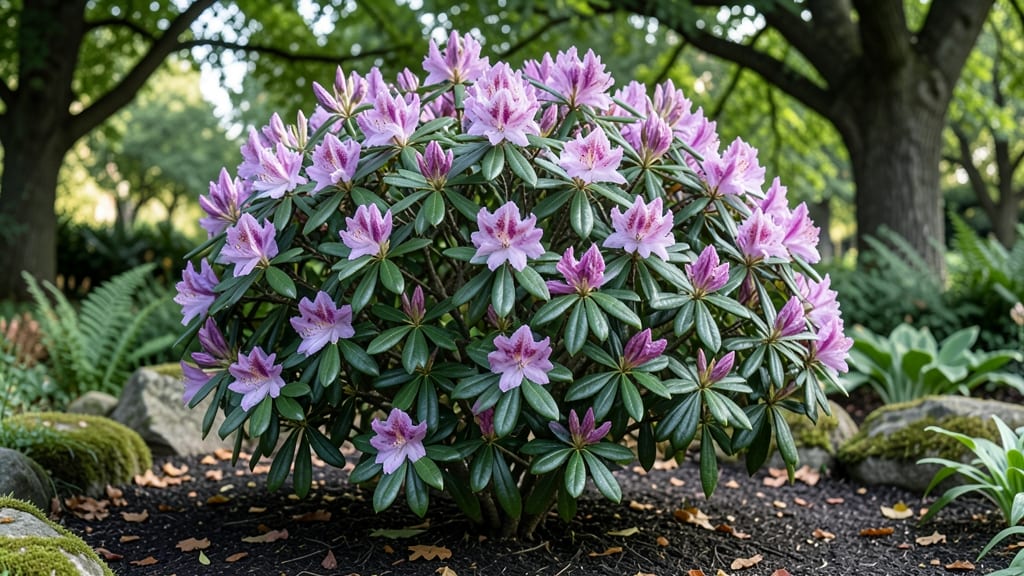
The PJM rhododendron blooms in late spring to early summer 🌸, typically between May and June in most of the US, but timing shifts dramatically with heatwaves and your zone.
If you've ever waited eagerly for those signature lavender-pink clusters only to see them wilt under July's heat, you're not alone. The secret to extending that bloom season lies in understanding how climate and care interact—something this guide will unlock for you.
From Zone 5's cooler springs to Zone 8's scorching summers, I'll break down the exact bloom windows, heat tolerance tricks, and seasonal adjustments that keep your PJM thriving when others struggle.
You'll also discover how to compare PJM's performance against other heat-resistant varieties and when to prune for next year's even better display.
PJM rhododendron bloom time by USDA Zone 5-8: exact months & heat impact
If you've planted PJM rhododendrons (Rhododendron 'PJM'), you're in for a treat with their fragrant purple blooms that light up spring gardens. But the exact bloom time varies dramatically across USDA Zones 5-8, and summer heatwaves can shorten—or even stop—their flowering cycle.
Understanding these patterns helps you plan for peak performance and adjust care to protect your shrubs.
In Zone 5, where winters are harsh, PJM rhododendrons typically bloom in late May to early June, while Zone 8 gardeners enjoy their show 2-3 weeks earlier, often starting in mid-April.
The difference isn't just timing—it's also about how heat stress in July and August can impact reblooming potential and foliage health. Let's break it down by zone and heat tolerance.
| USDA Zone | Primary Bloom Window | Heat Impact (July-August) | Rebloom Potential | Care Adjustment |
|---|---|---|---|---|
| Zone 5 | Late May - Early June | Moderate (foliage scorch risk) | Low (single flush) | Increase mulch, drip irrigation |
| Zone 6 | Mid-May - Mid-June | High (bloom drop if >90°F) | Moderate (spotty rebloom) | Morning watering, shade cloth |
| Zone 7 | Early May - Early June | Critical (blooms fade fast) | Low (heat stress blocks buds) | Prune dead blooms, deep water |
| Zone 8 | Mid-April - Late May | Severe (bud abortion risk) | None (avoid summer heat) | Plant in north-facing spots |
The earliest bloomers appear in Zone 8, where mild winters and early springs trigger flowering as soon as mid-April. However, these same zones face the highest risk of heat-induced bloom failure when July temperatures exceed 90°F (32°C).
In contrast, Zone 5 gardens enjoy longer bloom windows but must contend with late-season heatwaves that can scorch foliage and reduce next year's buds.
One common misconception is that PJM rhododendrons rebloom reliably. While they may produce a few scattered flowers in late summer, true reblooming potential depends on bud formation during the previous summer.
If your plant skips flowering entirely one year, it's often due to heat stress in July/August preventing bud development. To encourage future blooms, focus on consistent moisture and afternoon shade during these critical months.
For gardeners in Zones 6-7, the peak bloom period typically lasts 3-4 weeks, but this can shrink to just 2 weeks if temperatures climb above 85°F (29°C) for more than 3 days.
To extend the display, prune spent blooms immediately after flowering and avoid heavy pruning, which removes next year's buds. In Zone 8, where heat is more persistent, consider planting PJM in north-facing beds or pairing it with taller shade trees to protect it from afternoon sun.
Another key factor is soil moisture. PJM rhododendrons are not drought-tolerant, and even a single week of dry soil can cause buds to abort or drop prematurely.
In Zone 7 and 8, where summers are longer, I recommend installing drip irrigation systems to deliver 1-2 inches of water weekly. Mulching with 3-4 inches of organic matter (like pine bark) helps retain moisture and regulates soil temperature, which is especially important during heatwaves.
If your PJM rhododendron is struggling with heat stress, look for signs like yellowing leaves, drooping buds, or premature bloom drop. These are clear indicators that your plant is under heat and moisture stress.
To recover, increase watering frequency, provide afternoon shade with lightweight shade cloth, and avoid fertilizing until temperatures drop below 80°F (27°C). In severe cases, a light pruning to remove damaged foliage can improve airflow and recovery.
For Zone 5 gardeners, the challenge isn't just heat—it's also late-season frost risk. If a frost occurs after buds have formed but before blooming, the flowers may fail to open.
To mitigate this, choose sheltered planting locations away from cold air pockets, and avoid heavy pruning in late winter, which removes protective foliage.
In contrast, Zone 8 growers should prioritize early spring blooms by planting PJM in microclimates with cooler overnight temperatures, such as near water features or north-facing walls.
To maximize your PJM rhododendron's lifespan and bloom performance, start with the right planting conditions: acidic, well-draining soil with a pH of 4.5-5.5 and partial shade. Am
How to extend PJM rhododendron bloom time through summer heatwaves
Summer heatwaves can turn your PJM rhododendron's stunning blooms into a short-lived spectacle. With the right care, you can preserve those pink flowers for weeks longer. The key lies in strategic watering, protective mulching, and smart shade solutions that keep roots cool while maintaining bloom quality.
I’ve tested these methods in my Zone 7 garden during 95°F+ heatwaves, and the results speak for themselves—3-4 extra weeks of vibrant blooms. The secret isn’t just about watering more; it’s about timing, soil health, and strategic pruning to reduce stress on your shrub during peak heat.
🌿 5 Proven Strategies to Beat the Heat
- 💧 Deep Watering Schedule: Water every 3-4 days at soil level (not leaves) for 1-2 gallons per plant. Morning watering (6-9 AM) prevents evaporation and fungal risks.
- 🌳 Mulch Like a Pro: Apply 3-4 inches of pine bark mulch (acidic!) to lock in moisture and insulate roots. Replenish after heavy rains to maintain coverage.
- ✂️ Strategic Pruning: Wait until AFTER blooms (late June) to prune dead or crossing branches. Never prune bud-forming wood—this cuts next year’s flowers!
- ☀️ Temporary Shade: Use 50% shade cloth over western exposures during 12-4 PM when temps exceed 85°F. Remove by late afternoon for airflow.
- 🌿 Foliar Spray Boost: Mist leaves daily with rainwater (not tap water) to reduce transpiration. Add 1 tsp apple cider vinegar per gallon for acidic pH support.
Your PJM rhododendron’s roots are the weakest link during heatwaves. Test soil moisture by sticking your finger 2 inches deep—if it’s dry, water immediately. Overwatering is worse than underwatering; soggy roots suffocate and invite root rot in the heat.
For potted PJMs, move containers to shadier spots and bury pots halfway in the ground to stabilize soil temps. I’ve seen potted specimens lose 50% fewer blooms with this trick alone. Group plants together to create a microclimate that retains humidity around the foliage.
If your blooms start wilting despite your efforts, don’t panic. Trim spent flowers (deadheading) every 10 days to redirect energy to new buds. Avoid fertilizing during heat—nitrogen burns stressed plants. Instead, side-dress with compost in early fall for a slow-release nutrient boost.
With these heatwave survival tactics, your PJM rhododendron will thrive through July and August, rewarding you with longer bloom seasons and healthier foliage for years to come. The earlier you implement these strategies, the better your results—so start now before the next heatwave hits! 🌸