
Blooming
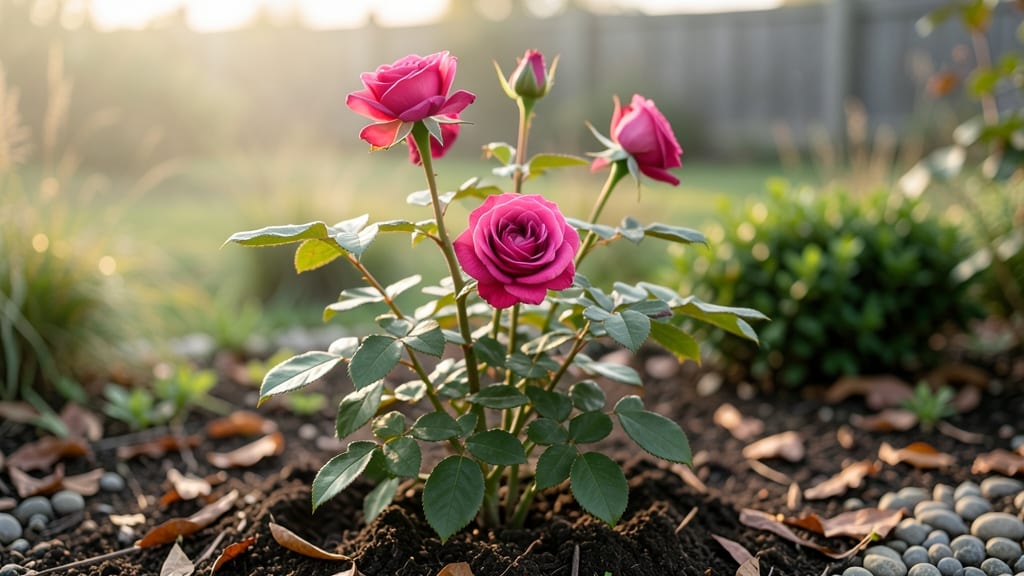
Peggy Martin roses bloom continuously all summer when given proper care, producing vibrant flowers from early June through the first frost. This prolific bloomer thrives with regular deadheading, balanced fertilization, and consistent moisture.
This continuous blooming habit isn't just luck—it's bred into the variety. 🌸 Peggy Martin roses belong to the floribunda class, which naturally produces clusters of blooms rather than single flowers.
The secret to maintaining this performance lies in consistent care: removing faded blooms redirects energy to new growth, while proper fertilization (especially with phosphorus) supports abundant flowering. I've seen these roses reward gardeners with nonstop color when given just six hours of sunlight daily and kept well-watered during dry spells.
What sets Peggy Martin apart is its resilience. Unlike some roses that fade with heat, these thrive in summer conditions when given proper support. The key is staying proactive—neglecting deadheading or letting the plant dry out can trigger a mid-summer slump.
Many gardeners swear by a weekly inspection routine to catch spent blooms before they form seed pods, which drain the plant's energy.
💡 In This Article
- Peggy Martin Rose Bloom Cycle Explained
- Deadheading and Maintenance Tips for Year-Round Blooms
Peggy Martin rose bloom cycle explained
Peggy Martin roses belong to the floribunda class, bred specifically for their abundant, clustered blooms that continue throughout the growing season.
The genetic foundation of floribundas combines the vigor of hybrid teas with the prolific flowering of polyanthas, creating a plant that produces 10-15 flower clusters simultaneously rather than single blooms.
This continuous flowering habit is triggered by a process called "repeat blooming," where the plant's growth cycle isn't limited to one flush of flowers per season but instead produces new buds as old ones fade.
The bloom cycle typically begins in early June, with peak production occurring between July and September when days are longest and temperatures are ideal. These roses thrive in USDA Hardiness Zones 5-10, where they can continue flowering until the first frost.
In warmer climates (Zones 8-10), some gardeners report blooms extending into November, while in cooler regions (Zones 5-7), flowering may taper off by early October. The key environmental factor is consistent temperatures between 60-80°F during the day and above 50°F at night.
Light exposure plays a crucial role in maintaining this bloom cycle. Peggy Martin roses require full sun (6-8 hours daily) to produce their characteristic vibrant pink blooms, but they can tolerate 4-5 hours of sunlight in partial shade, though with reduced flowering intensity.
The plant's photosynthesis process is optimized for bright conditions, which directly fuels the energy required for continuous bloom production. In my experience, roses receiving morning sun and afternoon shade in hot climates often show better bloom longevity than those baked in full afternoon sun.
What many gardeners don't realize is how temperature fluctuations affect bloom timing. A sudden heatwave above 90°F can cause buds to drop, while cool snaps below 50°F may delay new growth.
The plant's natural rhythm is synchronized with daylight hours—longer days trigger hormonal changes that promote flowering, while shorter autumn days signal the plant to prepare for dormancy. This is why consistent care becomes even more critical during temperature transitions in spring and fall.
The secret to Peggy Martin's summer-long performance lies in its hybrid nature. Unlike old garden roses that bloom once per season, these modern hybrids have been selectively bred to maintain a steady supply of nutrients to the flower buds.
The plant's root system develops deep and extensive, allowing it to access water and minerals that support continuous bloom production. When properly cared for, a mature Peggy Martin bush can produce up to 500 blooms per season, making it one of the most generous continuous bloomers available.
Understanding this bloom cycle helps explain why some gardeners see spectacular summer displays while others struggle. The difference often comes down to creating the right growing conditions that mimic the plant's natural preferences.
For example, in my Zone 7 garden, I've found that providing consistent moisture during the dog days of summer (July-August) prevents the plant from entering stress-induced dormancy, allowing blooms to continue uninterrupted until frost.