
Trees
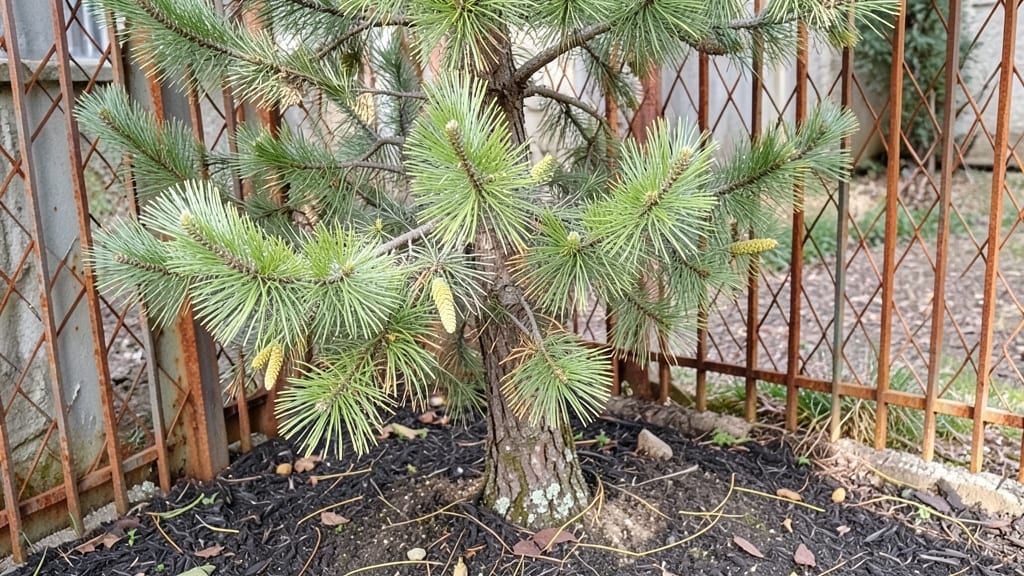
Your pine tree blooms might look more like cones than flowers 🌲 — and that’s completely normal for these evergreens.
If you’ve been waiting for your pine trees to bloom like the ones in postcard-perfect forests—only to be met with silence—you’re not alone. Most pine trees never produce traditional flowers, but understanding their unique reproductive cycle (and common misconceptions) can save you from frustration and even save your trees.
Pine trees rely on cones, not flowers, for reproduction, and factors like stress, disease, or improper care can disrupt this process. Whether you’re dealing with stunted growth or no cones at all, the right adjustments can restore your tree’s health and encourage those iconic pine cones to appear.
Below, I’ll explain why your pine trees might not be "blooming," how to encourage healthy cone production, and when to call in a professional arborist for help.
Why pine trees don’t bloom like other evergreens (and what they do instead)
Most gardeners expect their evergreens to burst into colorful blooms each spring, but pine trees are the quiet exceptions. Unlike flowering plants, pines don’t produce traditional flowers—instead, they rely on a fascinating cone-based reproductive system.
This unique process explains why your pine trees might seem "silent" compared to flowering shrubs.
The confusion often stems from how we define blooming. For pines, "blooms" are actually male and female cones, which serve the same purpose as flowers in other plants. These cones develop in late spring, making them the pine tree’s seasonal spectacle rather than showy petals.
| Feature | Pine Tree "Blooms" | Traditional Flowers |
|---|---|---|
| Structure | Male/female cones (not petals) | Petals, stamens, pistils |
| Pollination Method | Wind-pollinated (pollen released from male cones) | Insects, birds, or wind |
| Seasonal Timing | Late spring to early summer | Spring or summer (species-dependent) |
| Color | Yellowish male cones, green female cones | Bright hues (white, pink, purple) |
| Purpose | Seed production (not ornamental) | Attract pollinators + seed production |
Pine trees produce two types of cones: male cones (small, yellow, and short-lived) and female cones (larger, green, and woody). The male cones release pollen into the wind, which fertilizes the female cones.
This process happens in late spring, typically between May and June, depending on your USDA zone.
One common misconception is that pine trees don’t reproduce. In reality, their cone production is just as critical as flowering for other plants. The difference is that pine cones are woody and long-lasting, while flowers are soft and ephemeral.
Over time, female cones mature into the iconic pinecones we recognize.
If you’ve noticed no cones on your pine tree, it could signal stress from overwatering, poor soil, or nutrient deficiencies. Pines thrive in well-draining soil with full sun exposure—conditions that mimic their natural wildland habitats. Without these basics, cone production can stall entirely.
Another reason for confusion is that some pine species, like the Ponderosa pine, produce cones year-round but in smaller quantities. Others, like the White pine, have more seasonal cone production. Understanding your specific pine species helps set realistic expectations for when and how cones will appear.
Wind plays a crucial role in pine reproduction. Unlike flowering plants that rely on bees or butterflies, pines depend entirely on wind pollination. This means planting pines too close to buildings or dense foliage can disrupt pollen dispersal, reducing cone success.
For optimal growth, give your pines 6–10 feet of space from obstructions.
So, what should you do if your pine tree isn’t producing cones? Start by checking its soil pH—pines prefer slightly acidic soil (pH 5.0–6.5). Amend compacted soil with organic matter like compost or pine bark mulch. Also, avoid heavy-handed pruning, as it removes potential cone-bearing branches.
Remember, pine trees are slow growers compared to flowering plants. It can take 5–10 years for a young pine to mature enough for cone production. Patience and proper care are key to seeing those woody "blooms" appear each season.
Next time you see a pine tree, look closer at its branches. Those unassuming cones are the tree’s way of reproducing without the fanfare of flowers. And with the right care, your pine could become a cone-producing powerhouse in your garden.
How to encourage healthy cone production in your pine trees
Pine trees don’t bloom like flowering plants, but their cone production is a key sign of health. To maximize healthy pine cones, focus on creating ideal growing conditions. Unlike flowering trees, pines rely on wind pollination and proper care to develop robust cones.
Whether you have a Ponderosa pine or White pine, small adjustments can make a big difference in cone yield.
Start by ensuring your pine trees receive full sun exposure—at least 6 hours daily. Most pine species thrive in well-draining soil with a slightly acidic pH (around 5.0–6.5).
Without these basics, cone production can stall entirely. Even mature trees need consistent care to avoid stunted growth or no cones at all.
Species-specific care matters. For example, Ponderosa pines thrive in dry, sunny climates and produce cones abundantly with minimal intervention. Meanwhile, White pines prefer slightly more moisture and may need occasional mulching to retain soil acidity. Always research your specific pine variety before adjusting care routines.
If your pine tree isn’t producing cones, check for stress signs like yellowing needles or sparse foliage. These often indicate overwatering, nutrient deficiencies, or poor soil drainage.
Adjust care immediately—healthy trees are far more likely to develop cones. For stubborn issues, consult a local arborist to diagnose underlying problems.
With the right conditions, your pine trees will reward you with vibrant cones that add texture and interest to your landscape. Focus on sunlight, soil health, and pruning practices, and you’ll see a noticeable improvement in cone production within a season or two. 🌲