
Blooming
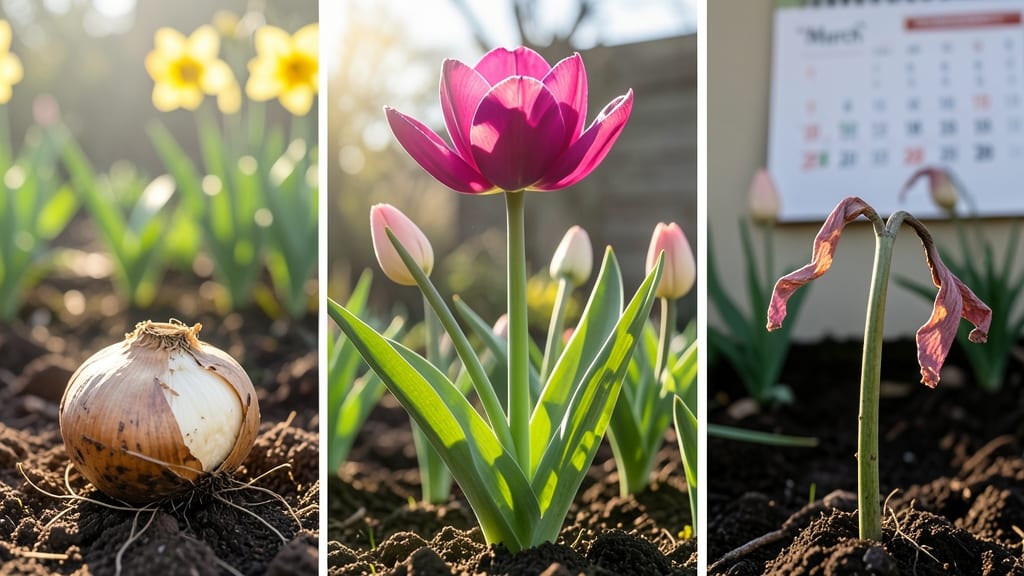
Tulips do only bloom once a year in most cases because their bulbs store energy for a single flowering cycle before needing a full dormant period to recharge. While spring is the peak season, some varieties and techniques can extend or alter this pattern.
Tulips follow this annual cycle because their bulbs act like natural batteries—storing nutrients during dormancy to fuel just one burst of blooms. 🌸 The magic happens when daylight length and temperature cues trigger the bulb to shift from storage mode to growth mode, typically in early spring.
This biological rhythm explains why gardeners often see tulips fade by summer, even if the foliage stays green for weeks afterward.
What many gardeners don't realize is that this pattern isn't set in stone. Some species like Kaufmanniana tulips naturally produce multiple blooms per season, while others can be coaxed into reblooming with proper care.
The key lies in post-bloom maintenance—letting foliage die back completely before cutting it back prevents the bulb from storing enough energy for next year's show.
💡 In This Article
- Why Tulips Bloom Seasonally: The Science of Flowering Cycles
- Tulip Varieties That Break the Rule: Perennial Bloomers
Why tulips bloom seasonally: the science of flowering cycles
The annual blooming pattern in tulips stems from their bulb's natural energy storage system. Each bulb acts like a biological battery, storing carbohydrates and nutrients during dormancy to fuel just one flowering cycle.
This process is triggered by a combination of photoperiodism (daylight length) and vernalization (cold temperature exposure), which together signal the bulb to initiate growth in early spring when days lengthen.
During dormancy, which typically lasts 6-8 weeks in temperate climates, the bulb's metabolic activity slows dramatically—sometimes dropping to just 1% of its active growth rate. This conservation mode allows the bulb to preserve energy for its single annual bloom.
The critical temperature threshold for breaking dormancy is usually between 32-45°F, with consistent cold exposure (often 40-60 days) being essential for proper development.
Light plays a crucial role too. Tulips are long-day plants, meaning they require increasing daylight hours to trigger flowering.
This explains why spring-blooming tulips sync perfectly with nature's cycle—shorter winter days followed by lengthening spring days create the perfect signal. 🌱 The bulb's foliage continues photosynthesizing even after the flower fades, replenishing the bulb's energy stores for next year's bloom.
Environmental factors can significantly influence this cycle. Poor soil drainage, for example, can cause bulbs to rot during dormancy, while excessive summer heat (90°F+) may force bulbs into premature dormancy.
The ideal growing conditions maintain a balance: well-draining soil, 6-8 hours of sunlight daily, and consistent moisture without waterlogging. Even small deviations can disrupt the delicate energy budget that determines whether a tulip will bloom at all.
Interestingly, the bulb's energy allocation isn't just about flower production. About 20-30% of its stored energy goes toward developing the next year's flower bud while the rest supports root and leaf growth.
This explains why tulips often look healthy but fail to bloom—the bulb may be prioritizing root growth over flowering due to stress or poor growing conditions.
What most gardeners miss is the 6-week post-bloom recovery period that's just as critical as the flowering itself. During this time, the foliage must remain undisturbed as it converts sunlight into stored carbohydrates.
Cutting back leaves too soon can reduce next year's bloom by up to 50%, demonstrating how tightly the flowering cycle is linked to proper bulb maintenance.