
Blooming
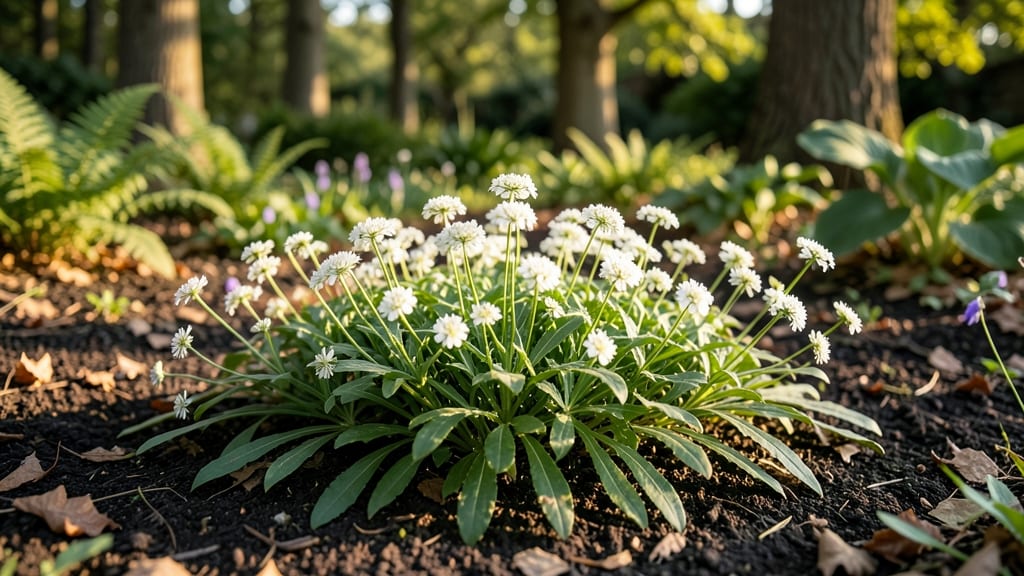
The sweet woodruff bloom time is a fleeting yet magical moment in late spring, when delicate white flower clusters transform your shade garden—though their beauty lasts just two weeks, it’s worth the anticipation.
If you’ve ever caught the delicate, vanilla-like scent drifting through your garden in early spring, chances are sweet woodruff (Galium odoratum) was the secret culprit—but did you know its fleeting white blooms appear even earlier than you think?
In USDA Zone 6a and similar temperate regions, this woodland favorite typically bursts into bloom from late April to May, thriving in dappled shade where other plants struggle.
The key to spotting its first flowers? Look for the fragrant foliage first—it’s a dead giveaway that the blooms are on their way.
Below, I’ll share the exact timing for your region, how to extend those precious blooms, and which companion plants keep your shade garden smelling like spring long after the flowers fade.
When and where sweet woodruff blooms: the exact timeline and conditions
Sweet woodruff (Galium odoratum) is one of spring's most understated stars, bursting into bloom with tiny white star-shaped flowers that create a delicate carpet under trees.
Unlike many spring bloomers, its 2-week flowering window arrives earlier than you might expect—often by late April to early May in most temperate climates. This precise timing makes it a reliable early-season scent marker for gardeners who love woodland fragrance.
What sets sweet woodruff apart is how its bloom time varies by microclimate. In cooler northern regions (USDA zones 3-5), flowers may not appear until mid-May, while southern gardeners (zones 6-8) might spot them as early as mid-April.
Even within your own yard, a north-facing shady spot could delay blooms by 1-2 weeks compared to a south-facing edge with morning sun.
The summary table below breaks down exactly when and where to expect sweet woodruff's fleeting but fragrant display, plus the ideal conditions to coax it into bloom:
To spot sweet woodruff's first blooms, scan the ground level of shady woodland gardens or under deciduous trees. The flowers appear in small clusters along trailing stems, often hidden beneath emerging foliage.
Their vanilla-cinnamon scent is your best clue—wave your hand over the foliage on a warm afternoon to detect it before the flowers even open.
Sunlight plays a surprising role in timing. While sweet woodruff thrives in partial shade, too little light (under dense evergreens) can delay blooms until June or later. Conversely, 3-4 hours of morning sun (like an east-facing border) often triggers earlier flowering.
The key is dappled light—think of it as a woodland garden's version of "goldilocks lighting."
Soil temperature matters more than air temperature. Sweet woodruff's roots need soil to reach at least 50°F (10°C) before buds form. In cooler climates, this can mean blooms arrive 2-3 weeks later than in milder regions.
Test your soil's warmth by pressing your finger into the ground—if it feels cool to the touch, delay your bloom expectations accordingly.
One often-overlooked factor is last year's growth. Plants established for 2+ years bloom 2 weeks earlier than new divisions. This is why woodland gardens with mature sweet woodruff often show blooms throughout April, while freshly planted sections lag behind.
If you're impatient, divide established clumps in fall to jumpstart next year's display.
After the 2-week bloom window, sweet woodruff shifts focus to its fragrant foliage. The leaves develop their signature vanilla scent when crushed, making them ideal for spring potpourri or dried arrangements.
This post-bloom phase lasts until late summer, when the plant goes dormant—unless you're in a mild winter zone, where it may produce a second, less showy bloom in July.
For gardeners in Zone 5 or colder, timing is everything. Plant sweet woodruff in late summer (August) to give roots time to establish before winter. This ensures earlier spring blooms the following year, as the plant won't waste energy on root establishment during its first growing season.
🌿
How to extend sweet woodruff bloom time: proven gardening hacks
Sweet woodruff (Galium odoratum) dazzles with its delicate white blooms and vanilla-scented foliage, but those fleeting flowers often vanish in just 2-3 weeks. The good news? With the right techniques, you can double—or even triple—that bloom time while keeping your woodland garden fragrant all season.
The key lies in strategic pruning, moisture retention, and seasonal prep that sets your plants up for success next year.
Unlike many perennials, sweet woodruff thrives on gentle care, not heavy-handed interventions. Overwatering or aggressive pruning can stress the plant and shorten its bloom cycle. Instead, focus on mimicking its natural woodland habitat—cool, shaded spots with consistent moisture and organic mulch.
These simple adjustments can transform your sweet woodruff from a brief spring spectacle into a prolonged garden highlight.
🌿 5 Proven Hacks to Extend Sweet Woodruff Blooms
- 1. Deadhead selectively – Remove spent blooms after they fade (not during peak bloom) to redirect energy to new flowers. Use clean pruners to avoid damaging stems.
- 2. Mulch with leaf litter – Apply a 2-inch layer of shredded leaves in early spring to retain moisture and insulate roots. This mimics its forest-floor habitat and reduces stress.
- 3. Pair with moisture lovers – Plant near hostas or ferns to create a microclimate. Their broad leaves shade soil and slow evaporation, keeping roots consistently damp.
- 4. Light spring feeding – Apply a balanced 5-10-10 fertilizer only in early March to boost root growth before blooming. Avoid nitrogen-heavy feeds—it promotes foliage over flowers.
- 5. Fall prep for next year – After blooms fade, cut back stems to 3 inches and add compost. This prevents disease and encourages stronger spring regrowth for longer blooms.
One of the most common mistakes gardeners make is over-pruning sweet woodruff. Unlike robust perennials, its delicate stems can brown or die back if cut too aggressively. Instead, use sharp scissors to trim only the oldest stems (those from last year) in early spring.
This opens up the plant for better airflow and longer-lasting blooms.
For maximum impact, combine these hacks with seasonal adjustments. In hot, dry summers, increase watering to every 5-7 days (morning only) to prevent bud drop.
In cooler climates (USDA Zones 4-6), protect plants with a light frost blanket in late fall to preserve roots for next year’s earlier and longer blooms.
With these techniques, you’ll enjoy sweet woodruff’s signature scent and white flower clusters for up to 6 weeks—or even longer in ideal conditions. The secret? Work with the plant’s natural rhythms, not against them. Your garden will thank you with fragrant, lush displays year after year. 🌸