
Blooming
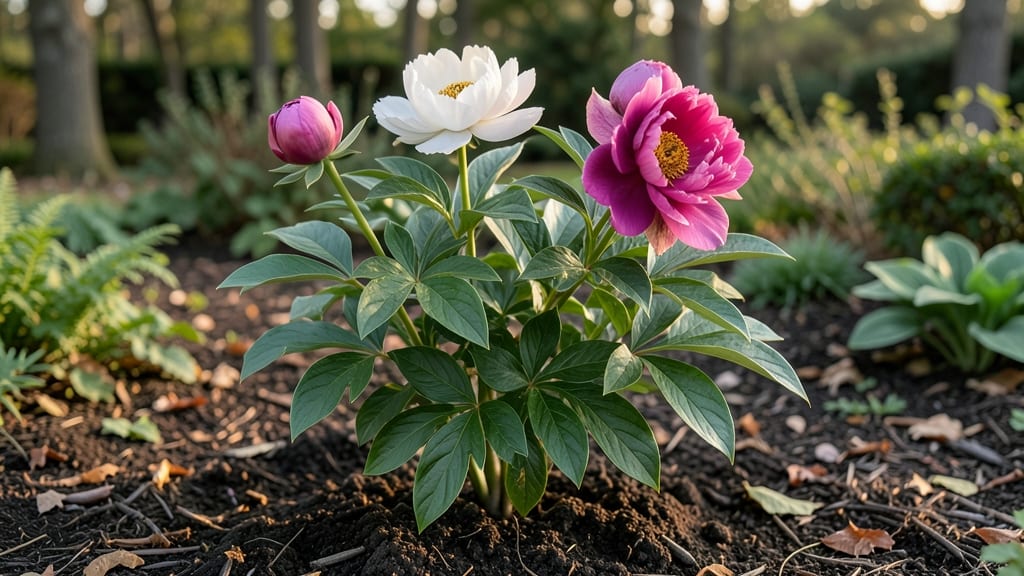
Peonies bloom in stages that feel like nature’s own countdown to summer’s most dramatic floral show. 🌸 The first sign is those tight, fuzzy buds swelling in late spring—each one a promise of the lush, fragrant blooms to come.
I’ve watched my peonies transform from compact green balls to full-blown, velvety petals over just 10 days, and timing is everything to make sure you don’t miss a single moment.
Those fuzzy buds are stage one, followed by the perfect moment when petals begin to unfurl like a slow-motion dance. Peak bloom arrives when the flowers are fully open but still firm—this is when you’ll get the most bouquets or longest vase life.
The real magic happens in how you respond: deadheading spent blooms right after peak bloom encourages reblooming varieties to put on a second show in late summer.
After the petals fade, don’t toss them—those seed pods hold next year’s potential. Cutting back foliage too early can weaken the roots, but leaving it until late fall gives the plant energy to store for next season.
The key is patience: peonies reward careful observation with blooms that last for decades, if you let them rest properly between seasons.
This progression works the same whether you’re growing herbaceous peonies in full sun or tree peonies in partial shade. The stages are your garden’s calendar—once you learn to read them, you’ll time everything from pruning to fertilizing like a pro.
Let’s break down each phase so you never miss a beat.
📚 In This Guide
- What you need
- Instructions
- Tips and common mistakes
- Wrapping up and next steps
What you need
- ● Peony plants: Choose Paeonia lactiflora (herbaceous) or Paeonia officinalis (tree) varieties, depending on your climate zone (Zones 3–8 for herbaceous; Zones 4–9 for tree peonies). Pro tip: 💡 Buy from reputable nurseries for disease-resistant cultivars (e.g., 'Sarah Bernhardt' or 'Bowl of Beauty').
- ● Garden soil: Well-draining, slightly alkaline (pH 6.5–7.5). Amend with compost (5–10 gallons per plant) and bone meal (1–2 cups) for phosphorus-rich roots.
- ● Watering tools: Hose with adjustable nozzle (for deep watering).
- ○ Drip irrigation system (optional but ideal for consistent moisture).
- ● Pruning shears: Sharp, bypass-pruners (4–6 inch blades) to trim spent blooms and foliage.
- ● Gloves: Heavy-duty garden gloves (to protect from thorns and soil-borne pathogens).
- ● Staking supports: 3–4 ft bamboo stakes or peony rings (for varieties prone to flopping).
- ● Mulch: Organic mulch (straw, shredded bark, or pine needles) to retain moisture and suppress weeds (2–3 inches thick).
- ● Sunlight: Full sun (6+ hours daily). No exceptions! 🌞
- ● Planting time: Early fall (September–October) for herbaceous peonies; spring (March–April) for tree peonies.
- ● Patience: Peonies take 2–5 years to reach full bloom potential after planting.
- ● Disease monitoring: Watch for botrytis blight (gray mold) or peony wilt. Keep foliage dry and space plants 3–4 ft apart for airflow.
- ● Digital camera or smartphone for documenting bloom stages (bud swell, color break, full bloom, etc.).
- ● Slow-release fertilizer (e.g., 10-10-10 NPK) for early spring feeding.
- ● Peony-specific fungicide (e.g., copper spray) for preventive care.
- ● Decorative garden flags or markers to label varieties and track bloom timelines.
How to identify and extend peony bloom stages for stunning year-round color
Peonies reward patience with dramatic blooms—here’s how to recognize each stage and coax extra color from your plants.
🌱 Step 1: Spot the Bud Swelling (Late Spring)
Watch for green buds emerging from the foliage in late April or early May, depending on your climate. These round, tightly closed buds signal the plant’s energy shift from leaf growth to flowering. In colder zones, they may appear later—wait until daytime temperatures consistently stay above 50°F before expecting blooms.
Gently brush off any dead leaves clinging to the buds with your fingers. This prevents fungal spores from taking hold as moisture builds during rainy periods. I like to check buds weekly once they’re visible—you’ll see them grow from the size of a marble to a golf ball in just 10-14 days.
☀️ Step 2: Recognize the "Moon" Stage (Pre-Bloom)
The moon-faced bud is your cue that blooming is imminent. At this point, the bud looks like a half-open crescent moon, with petals just beginning to separate. This stage typically appears 3-5 days before full bloom, and the plant’s stems may feel slightly firmer when you touch them.
Here’s the thing—never cut peony buds at this stage, even if they look perfect. The flower’s full beauty develops over the next 24-48 hours, and cutting too early robs you of the dramatic unfurling process. Instead, mark the stems with a soft floral wire if you want to preserve them for arrangements.
🌿 Step 3: Harvest at Peak Bloom (Full Open Stage)
Peonies reach their prime cutting stage when 50-75% of the petals are fully unfurled but haven’t begun to droop. The center of the bloom should still look slightly closed, and the petals should feel firm to the touch. This usually happens 5-7 days after the moon stage, but humidity and temperature can shift this timeline.
Cut stems at a 45-degree angle about 2 inches below the bloom using sharp pruners. Remove all lower leaves to prevent bacterial growth in water. Place stems immediately in lukewarm water—cold water shocks the delicate stems, shortening vase life. Change the water every 2-3 days to keep blooms vibrant for 7-10 days.
✂️ Step 4: Deadhead and Prepare for Next Year
Once blooms fade completely (petals turn brown and stems feel hollow when squeezed), cut the spent flower head down to the first set of healthy leaves using clean pruners. This redirects the plant’s energy from seed production to next year’s buds. Avoid cutting into the green leafy growth—this removes the plant’s food factory.
After blooming, feed your peonies with a balanced 10-10-10 fertilizer in early summer. Water deeply once a week during dry spells, but avoid overhead watering after July 1st—this prevents bud rot before next spring. Mulch with 2-3 inches of organic matter to insulate roots through winter.
🌸 Step 5: Extend the Season with Strategic Pruning
For a second flush of blooms, cut back the first set of spent flowers to the next set of buds (if present) in early to mid-June. Not all peonies rebloom, but herbaceous varieties often produce smaller second blooms 4-6 weeks later. Watch for new buds forming at the base of the old stems—these will be your signal to prune carefully.
Real talk: Reblooming takes patience. If your peonies skip the second round, focus on next year’s performance by avoiding heavy pruning in fall. Leave the dead foliage until spring—it insulates the crown and protects buds from temperature swings.
Tips & tricks for perfect peony bloom stages
Mastering these stages transforms your garden into a year-round peony paradise—here’s how to avoid common pitfalls.
Bud Inspection: In Step 1, when checking for those marble-sized buds, don’t just rely on size—run your fingers gently over the surface. Healthy buds should feel firm and slightly plump, not wrinkled or soft. I’ve seen buds that looked perfect on the outside but were already rotting inside from trapped moisture. If you notice any slimy spots or dark discoloration, trim those buds immediately to prevent spreading to healthy ones.
Moon Stage Timing: The 3-5 days before full bloom (Step 2) can feel like an eternity, but trust the process. Here’s a pro move: Use a small white card to hold against the bud at different angles. The crescent moon shape becomes much more obvious against a bright background. This helps you spot the subtle changes that signal it’s almost time to harvest. And remember—those 24-48 hours after the moon stage are when the petals develop their most vibrant colors.
Peak Bloom Precision: For Step 3’s 50-75% unfurled rule, think of it like a clock face. Imagine the bloom as a pie chart—when about a quarter of the petals have opened (like the 9 o’clock position), that’s your target. The center should still look tightly closed, almost like a button about to pop. I like to do a quick "petal test": Gently press one outer petal—if it springs back immediately, it’s not quite ready. If it holds the shape for a second, you’ve got your window.
Post-Bloom Care: When deadheading in Step 4, use clean pruners and make your cuts at a 45-degree angle just above a leaf node. This angle increases surface area for water absorption, helping the plant recover faster. And that 10-10-10 fertilizer? I’ve found that peonies actually respond better to a slightly higher phosphorus ratio (like 10-20-10) in early summer to encourage root development for next year’s blooms. Just be gentle with the application—too much can burn those sensitive roots.
Pro Tips for Peony Bloom Stages
- Mastering these stages transforms your garden into a year-round peony paradise—here’s how to avoid common pitfalls.
- Bud Inspection: In Step 1, when checking for those marble-sized buds, don’t just rely on size—run your fingers gently over the surface.
- Moon Stage Timing: The 3-5 days before full bloom (Step 2) can feel like an eternity, but trust the process.
Frequently asked questions
Got questions about peony bloom stages? You're not alone! Here are some of the most common queries gardeners have—plus quick, practical answers to help you master the timing for stunning blooms all year round.
When do peonies typically bloom, and how long does each stage last?
Peonies usually bloom in late spring to early summer, with each stage lasting roughly 3–7 days. Bud formation takes 2–3 weeks, full bloom spans 5–7 days, and fading occurs over 5–10 days. Herbs like 'Sarah Bernhardt' bloom earlier (May), while 'Duchesse de Nemours' peaks in June. Chill hours and climate adjust timing slightly!
How can I extend peony blooms for longer color?
Deadhead spent blooms promptly to encourage reblooming (especially in IT peonies). Prune foliage in late fall but leave 3–4 inches of stems to protect the crown. Mulch with 2–3 inches of compost in winter, and water deeply once a week during droughts. Avoid over-fertilizing—too much nitrogen reduces bloom quality!
Why aren’t my peonies blooming this year?
Peonies need 50–100 days of winter chill (below 45°F). If blooms are sparse, check for:
- Improper planting depth: Crowns should sit 1–2 inches below soil.
- Overcrowding: Divide clumps every 5–7 years.
- Poor drainage: Peonies hate soggy roots—amend soil with sand or gravel.
- Young plants: It takes 2–3 years for peonies to mature and bloom.
Can I force peonies to bloom indoors, like bulbs?
Peonies cannot be forced like tulips or hyacinths, but you can harvest buds for vase life! Cut stems when 2–3 buds are swollen but unopened, place in cool water (50–55°F), and they’ll last 5–7 days. For longer enjoyment, store cut stems in the fridge overnight before arranging. Avoid ethylene-producing fruits (apples, bananas) near them!
What’s the best alternative if my peony blooms fade too quickly?
If peonies disappoint, try these long-blooming alternatives with similar elegance:
- Daylilies (Hemerocallis): Bloom for 6–8 weeks per season; drought-tolerant.
- Roses (e.g., 'Knock Out' or 'David Austin'): Repeat blooms with proper care.
- Hydrangeas (Endless Summer®): Rebloom on new wood; thrive in partial shade.
- Lavender: Fragrant, low-maintenance, and blooms 6–8 weeks.
Wrapping up and next steps
Watching peonies unfold through their five vibrant bloom stages is like witnessing nature’s own masterpiece—each phase packed with beauty and meaning. Whether you’re a gardener eager to time your cuts or simply admiring their glory, understanding these stages helps you cherish every moment of their fleeting yet stunning display. 🌸
Now that you’re armed with this visual guide, why not plan your next garden adventure? Try capturing the perfect shot of a budding peony or experiment with arranging blooms at each stage for a dynamic floral design.
The world of peonies is yours to explore—go forth and bloom with confidence!