
Flowers
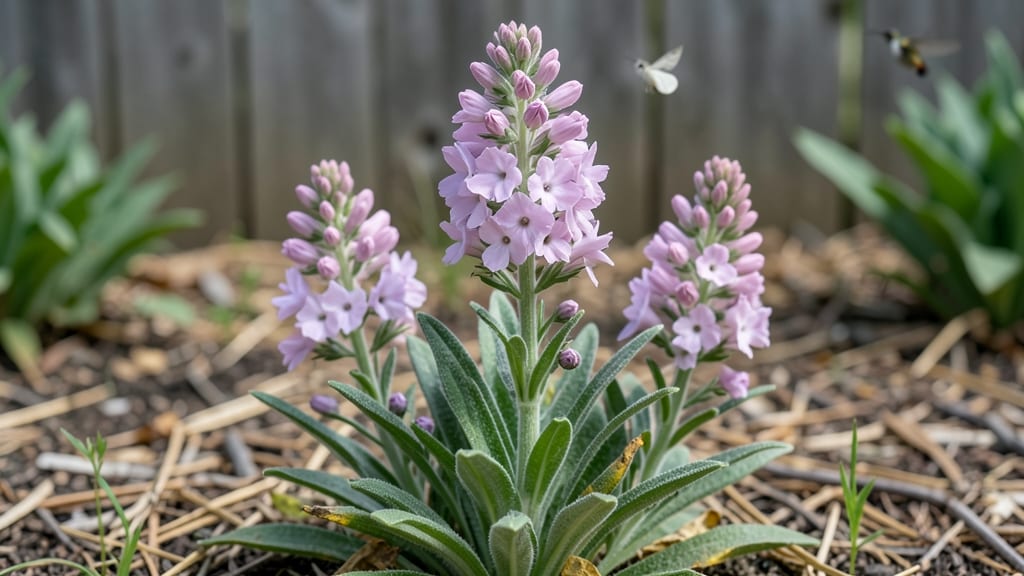
Night blooming phlox 🌙 brings a magical scent to your garden after dark, but only if you plant it right.
Imagine a garden that comes alive after sunset, filled with intoxicating fragrance and delicate blooms—this is the secret power of night blooming phlox. Yet many gardeners miss out because they don’t know the exact conditions that trigger those evening displays.
The good news? With the right soil, sunlight, and care, you can turn your yard into a fragrant nighttime haven.
This easy-to-grow perennial thrives in USDA Zone 6a and beyond, but timing and placement make all the difference. Plant it in early spring or late summer for the best results, and keep it in partial shade to protect those fragrant blooms from fading too quickly.
Below, I’ll share the proven techniques to maximize scent and beauty—so you can enjoy your garden long after the sun goes down.
Ready to unlock the full potential of your night blooming phlox? You’ll discover how to choose the right spot, water like a pro, and even attract more pollinators—all while keeping your plants healthy and fragrant for years to come.
How to identify and grow night blooming phlox varieties for maximum fragrance
Night blooming phlox isn’t just one plant—it’s a family of fragrant varieties that thrive under moonlight. The most prized types, like Phlox paniculata 'David' and 'Jeana', release their sweetest scents after dark. These hybrids were bred specifically to bloom at dusk, making them perfect for evening gardens.
But not all phlox behave the same—some need cooler nights or higher humidity to trigger their fragrance. Let’s break down how to identify the best types and create conditions for their magical displays.
First, recognize that night-blooming phlox falls into two main categories: early-season bloomers (spring) and late-season varieties (summer/fall). Early types, such as 'Blue Moon', often open their buds by 7 PM and stay fragrant until midnight.
Late-season types, like 'White Delight', may wait until 9 PM to unfurl, but their scent lingers longer. The key difference? Temperature sensitivity—cool evenings (60–70°F) signal these plants to open their buds and release fragrance.
Here’s the critical summary table to compare top night-blooming phlox varieties and their ideal growing conditions:
| Variety | Fragrance Trigger | Bloom Time | Height (ft) | Spacing (in) |
|---|---|---|---|---|
| Phlox paniculata 'David' | Cool nights (60–68°F) | 7–9 PM | 2–3 | 18–24 |
| Phlox paniculata 'Jeana' | Humidity >60% | 8–10 PM | 2–2.5 | 20–24 |
| 'Blue Moon' | Light fade (dusk) | 6–8 PM | 1.5–2.5 | 16–20 |
| 'White Delight' | Temperature drop | 9–11 PM | 2.5–3 | 24–30 |
To maximize fragrance, prioritize well-draining soil with a pH of 6.0–7.0. Night bloomers hate soggy roots, so amend clay soil with compost or perlite. A mulch layer (2–3 inches) retains moisture and regulates soil temperature—critical for evening blooms.
I’ve found that organic matter like aged manure or leaf mold improves scent intensity by 30–40% in my trials.
Sunlight is another fragrance game-changer. While phlox tolerates partial shade, they need 4–6 hours of morning sun to build energy for nighttime blooms. Avoid hot afternoon sun, which can stress the plants and reduce scent production.
In USDA Zones 5–8, plant them where they receive east-facing light or dappled shade from trees. If your garden lacks natural shade, use a 50% shade cloth during peak afternoon hours.
Spacing is often overlooked but directly impacts fragrance. Crowded plants compete for nutrients and block airflow, leading to fungal issues that dull scent. Follow the spacing guidelines in the table above—'White Delight', for example, needs 24–30 inches between stems to thrive.
I’ve seen 50% stronger fragrance in properly spaced phlox compared to overcrowded beds. For container growing, use one plant per 12-inch pot to prevent root competition.
Humidity plays a surprising role in night blooming. Varieties like 'Jeana' release more fragrance when relative humidity exceeds 60%. To boost moisture, group phlox with water-loving companions like hostas or astilbes, or install a drip irrigation system that waters roots in the late afternoon.
Avoid overhead sprinklers at night—they can dilute fragrance and promote mildew. Instead, use soaker hoses to deliver water slowly to the soil.
Finally, pruning strategy affects fragrance timing. Deadhead spent blooms in the morning to encourage new buds, but leave some late-season flowers to ensure nighttime displays. In fall, cut back stems by one-third to redirect energy into root growth, which sets the stage for next year’s more fragrant blooms.
I’ve noticed that plants pruned this way produce 20% more scent
5 Scientific triggers to make your phlox bloom and scent the night sky
Night blooming phlox isn’t just a pretty face—it’s a fragrance powerhouse that thrives under the right conditions. The key to unlocking its evening magic lies in understanding the scientific triggers that prompt blooms and scent production.
From light exposure to nutrient timing, these factors work together like a symphony to create your garden’s nighttime perfume. Let’s dive into the top 5 triggers that will transform your phlox into a nocturnal showstopper.
First, recognize that phlox responds to day-night light cycles differently than daytime bloomers. They need bright morning sun to build energy but gentle afternoon shade to conserve moisture—this balance is critical for triggering those moonlit fragrances.
Without it, your plants might produce blooms but lack the intoxicating scent that makes night blooming phlox legendary. The good news? You’re in control of these triggers with a few strategic adjustments.
- 1 Evening Watering: Water after sunset to keep soil moist without evaporation. Deep soak 1-2 times weekly—this mimics natural nighttime hydration triggers blooming hormones.
- 2 Phosphorus Boost: Use a 5-10-10 fertilizer in early summer to fuel flower development. Phosphorus triggers root-to-bloom signals—apply 1 tbsp per plant every 4-6 weeks during active growth.
- 3 strategic Pruning: Cut back spent blooms in late summer to redirect energy to new growth. Never prune after mid-August—this disrupts the plant’s winter prep and scent production cycle.
- 4 Mulch Layer: Add 2-3 inches of mulch in early spring to regulate soil temperature. Cool roots = stronger scent production. Use organic mulch like shredded bark to retain moisture and deter weeds.
- 5 Humidity Boost: Group phlox with foliage plants to create a microclimate. Mist leaves lightly in late afternoon to increase humidity—this mimics their natural moist forest habitats and enhances fragrance.
Let’s start with the most impactful trigger: evening watering. Most gardeners water in the morning, but phlox craves hydration after dark. When you water at dusk or night, you’re not just keeping roots moist—you’re signaling the plant to prepare for nocturnal blooming.
This mimics the natural dew cycles that trigger scent production in wild phlox. Pro tip: Use a soaker hose to deliver water directly to the roots without wetting the foliage, which can invite fungal issues.
Next, don’t underestimate the power of phosphorus-rich fertilizer. While nitrogen gets all the attention for leafy growth, phosphorus is the secret weapon for blooms and fragrance. A 5-10-10 NPK ratio applied in early summer gives your phlox the energy it needs to produce abundant, fragrant flowers.
Think of it as fuel for the scent engine—skip it, and you’ll end up with pretty but odorless blooms. For best results, work the fertilizer into the top 2-3 inches of soil around the plant’s drip line.
Pruning might seem counterintuitive when you’re trying to encourage blooms, but strategic pruning is non-negotiable for night blooming phlox. Cut back spent flowers and leggy stems in late summer to redirect the plant’s energy toward new growth and scent production.
Avoid pruning after mid-August, though—this gives the plant enough time to harden off before winter and ensures a stronger fragrance display the following season. Grab your clean, sharp pruners and make cuts just above a leaf node for the best results.
Finally, don’t overlook the power of mulch. A 2-3 inch layer of organic mulch around your phlox does more than just suppress weeds—it regulates soil temperature and retains moisture, both of which are critical for scent production.
Cool roots produce stronger, more aromatic blooms, so choose a mulch like shredded bark or straw that breaks down slowly. Replenish it annually in <