
Blooming
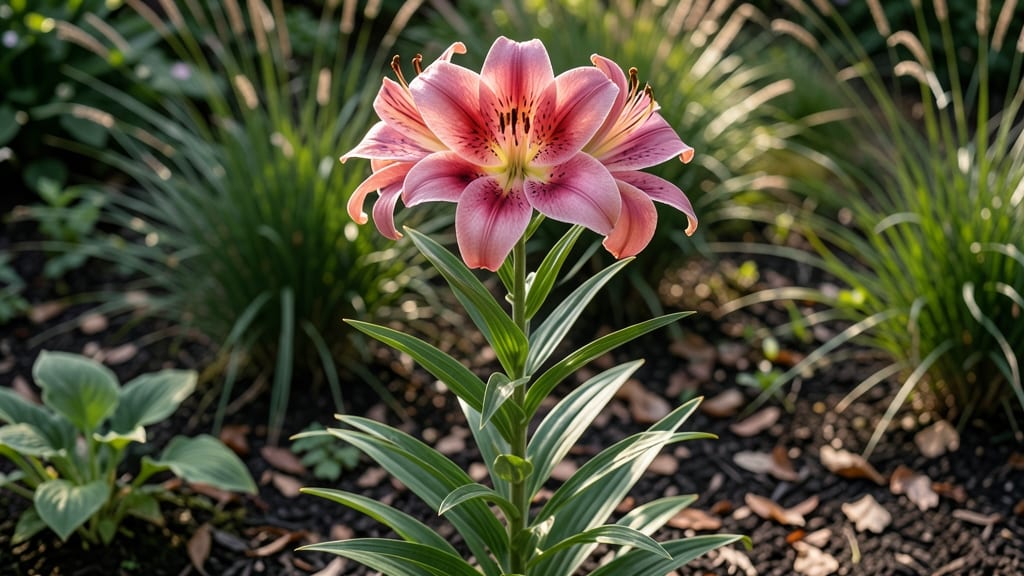
The oriental lily bloom time depends on your climate zone, but you’ll typically see those bold 🌸 blooms arrive between July and August—just in time to steal the show in late summer.
If you’ve ever dreamed of a garden bursting with fragrant, vibrant blooms but missed the window, don’t worry—these lilies are forgiving. They adjust their timing based on temperature and daylight, so even a late spring planting can still deliver stunning results.
In USDA Zone 6a, where many gardeners live, oriental lilies often peak in late July, but cooler regions may see them arrive a few weeks later.
The key is planting bulbs at the right depth and in well-draining soil—too shallow, and they’ll struggle to establish strong roots before blooming.
Below, I’ll break down the exact months for your zone, share tricks to extend their bloom time, and reveal the one mistake that kills blooms before they even start. Ready to transform your garden?
When oriental lilies bloom by USDA plant hardiness zones
Oriental lilies 🌸 are the crown jewels of late summer gardens, but their bloom timing varies dramatically depending on your USDA zone.
In cooler zones like Zone 3, you might see buds opening in early July, while warmer Zone 10 gardens can enjoy blooms as late as September. Understanding these regional differences helps you plan your garden layout and companion plants for maximum impact.
The key trigger for oriental lily blooming is a combination of daylight hours (14+ hours) and soil temperatures reaching 60°F+. Once planted in spring, these bulbs need 6-8 weeks of consistent warmth before they'll commit to flowering.
This explains why Zone 7 gardens often bloom 2-3 weeks earlier than Zone 5 counterparts with similar care.
Here's how to predict your oriental lily bloom window based on your zone:
| USDA Zone | Early Bloom | Peak Bloom | Late Bloom | Key Trigger |
|---|---|---|---|---|
| 3-4 | July 1-10 | July 15-25 | August 5-15 | Soil 65°F+ |
| 5-6 | July 5-15 | July 20-August 5 | August 10-20 | 14+ daylight hours |
| 7-8 | June 25-July 5 | July 10-20 | August 5-15 | Consistent 70°F+ |
| 9-10 | June 15-25 | July 1-August 10 | September 1-15 | Humidity levels |
In Zone 3, where summers are short, oriental lilies often bloom earlier to take advantage of cooler temperatures. The peak bloom period aligns with the longest daylight hours of the year, typically around July 20-August 5 in most regions.
This timing lets you pair them with black-eyed Susans and Russian sage for a high-impact late-summer garden.
For Zone 7 gardeners, the earliest blooms may appear as soon as late June in microclimates with south-facing exposure. The extended bloom window in warmer zones like Zone 9 means you can enjoy blooms into September, creating opportunities for fall weddings or harvest festivals.
The secret? Planting in partial shade to prevent heat stress while maintaining full sun exposure.
Daylight hours play a crucial role in bloom timing. Oriental lilies are long-day plants, meaning they need 14+ hours of daylight to trigger flowering. This explains why northern zones see blooms 2-3 weeks later than southern zones with similar temperatures.
For example, Zone 5 gardens might see peak bloom in early August, while Zone 8 gardens could be in full bloom by mid-July.
Temperature fluctuations can also shift bloom timing. A heatwave in July might cause Zone 6 lilies to bloom earlier than expected, while unseasonably cool weather could delay blooms until late August.
To mitigate this, I always mulch heavily around oriental lily bases in spring to stabilize soil temperatures and encourage consistent growth.
Pro tip: If you're in Zone 9 or 10, consider planting early-blooming varieties like 'Casa Blanca' to extend your bloom season into September. These varieties are bred to handle higher humidity levels common in southern climates.
Pair them with canna lilies or dahlias for a tropical garden feel that lasts well into fall.
One common misconception is that oriental lilies bloom at the same time every year. In reality, their timing can shift by 1-2 weeks annually due to weather variations.
To create a reliable bloom display, I recommend planting 3-5 bulbs per variety—this ensures at least some will bloom on schedule even if others are delayed by unpredictable weather patterns.
For gardeners in transition zones (like Zone 7b), the first frost date becomes critical. If your area
How to extend oriental lily bloom time with proven techniques
Oriental lilies naturally bloom in late summer, but with the right care, you can coax earlier or longer displays. The key lies in soil preparation, watering consistency, and strategic pruning.
These techniques help your plants store energy efficiently, leading to healthier blooms that last weeks longer than average. Start with well-amended soil—pH 6.5-7.0 is ideal—to ensure nutrients are available when lilies need them most.
One of the fastest ways to extend bloom time is by planting bulbs deeper than recommended (8-10 inches instead of 6-8). This encourages stronger root systems that draw up more water and nutrients, supporting larger, longer-lasting flowers.
In cooler climates, consider mulching heavily in early spring to warm the soil and jumpstart growth. Even a 2-inch layer of straw mulch can make a noticeable difference in bloom timing.
Watering schedules play a critical role too. Oriental lilies need deep, infrequent watering—about 1-2 gallons per week—to prevent stress. Water in the early morning to reduce fungal risks and allow foliage to dry quickly. Avoid overhead watering during bloom, as damp petals attract pests like lily beetles, which can shorten your display.
Organic vs. Synthetic Fertilizers for Bloom Longevity
Organic Fertilizers
- 🌱 Pros
- Improves soil structure over time
- Releases nutrients gradually, reducing burn risk
- Encourages microbial activity in soil
- 🌱 Cons
- Slower results early in season
- Requires more frequent applications
Synthetic Fertilizers
- 🧪 Pros
- Provides immediate nutrient boost
- Precise NPK ratios for bloom-focused growth
- Easier to measure and apply
- 🧪 Cons
- Can burn roots if overapplied
- No long-term soil benefits
For longer blooms, I recommend a balanced approach: use synthetic fertilizers in early spring for a quick start, then switch to organic (like compost or bone meal) as blooms form.
Pruning also makes a surprising difference. After the first bloom cycle, cut back spent stems to just above the bulb. This redirects energy from seed production back into the bulb, ensuring next year’s blooms are even more vigorous and prolonged.
Avoid heavy pruning in late summer, as lilies need their foliage to photosynthesize until late fall to store energy for next season.
Finally, deadhead faded blooms regularly to prevent seed formation, which drains energy. Pair this with a light application of phosphorus-rich fertilizer (like bone meal) in early summer to support root and flower development.
With these techniques, you can extend your oriental lily’s bloom season by 3-4 weeks, giving you weeks of fragrant, show-stopping color.
Remember, consistency is key. Monitor soil moisture, adjust watering as needed, and keep an eye out for pests. A little extra care now means months of stunning blooms later—worth every effort! 🌸