
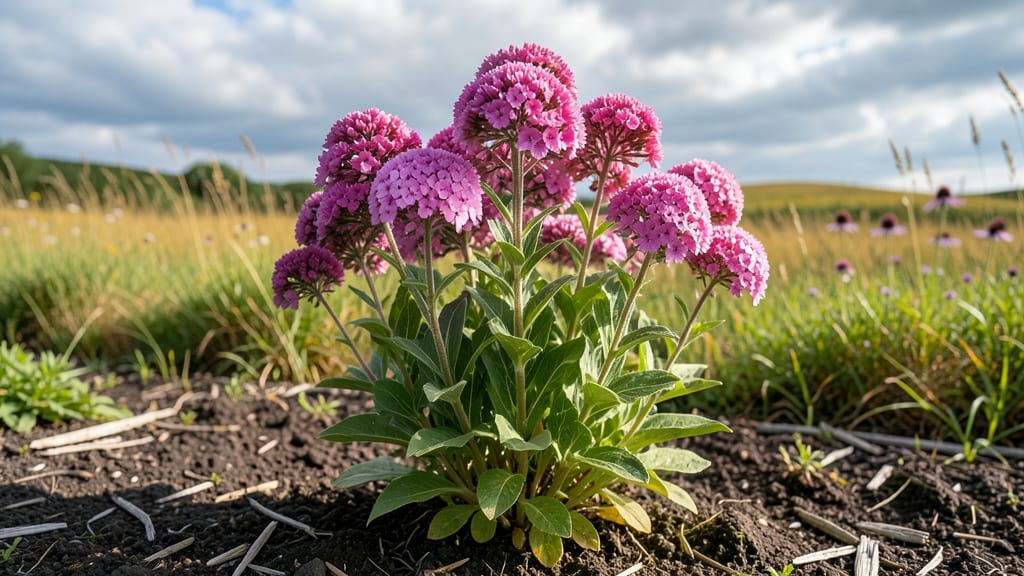
Tall Phlox Bloom Time: When to Expect Stunning Spikes by Variety

Blooming

Tall Phlox Bloom Time: When to Expect Stunning Spikes by Variety

Tall phlox blooms in mid to late summer 🌸, turning your garden into a vertical burst of color—but the exact timing depends on your variety and climate.

If you’ve ever wondered when your tall phlox will burst into vibrant blooms, timing is everything—especially when planning your garden’s seasonal highlights. These towering perennials reward patience with dramatic spikes of color, but their bloom windows vary wildly by variety.

For example, Phlox paniculata typically blooms from July to August in USDA Zone 6a, while some late-season varieties can stretch into September. The key to predicting—and extending—their stunning displays lies in understanding your local frost dates, soil conditions, and even pruning habits.

Below, I’ll break down the bloom periods by variety, share tips to prolong those show-stopping spikes, and reveal the three biggest mistakes that cut blooming short. Let’s get your phlox putting on its best performance!

📈 Phlox Growth Timeline
1-2 ft
Year 1
2-3 ft
Year 2
3-4 ft
Year 3
3-5 ft
Mature

Tall phlox bloom time by variety: month-by-month expectations

Tall phlox (Phlox paniculata) is a garden superstar, offering 3-5 feet of vibrant blooms that transform summer gardens into living canvases. But not all varieties bloom at the same time—some burst into color in early July, while others linger into September frost. Understanding these timelines helps you create a sequential bloom display that keeps your garden thriving all season.

Regional differences matter too. Northern gardeners in USDA Zones 3-5 often see blooms 2-3 weeks later than Southern growers in Zones 6-8. Heat and humidity can also shift bloom windows—Southern varieties sometimes start earlier but may fade faster in 90°F+ temperatures.

Let’s break down the top 10 tall phlox varieties and their predictable bloom schedules.

How to extend tall phlox bloom time naturally (without chemicals)

Tall phlox (Phlox paniculata) delivers bold summer color, but their bloom time can feel disappointingly short. The good news? With the right techniques, you can extend those floral spikes by 3-4 weeks without synthetic chemicals.

The secret lies in pruning strategies, nutrient timing, and water management that keep your plants energized for longer displays. Let’s explore how to coax your phlox into a second, vibrant flush of blooms.

First, understand that phosphorus-rich soil is your best ally for prolonged blooming. This nutrient fuels flower production, not just leafy growth. Combine that with strategic deadheading and you’ll transform a 3-week bloom period into a 7-8 week spectacular.

The key is acting at the right moments—before blooms fade but after they’ve fully opened. Let’s break down the proven methods that work in my garden every year.

🌸 5 Proven Ways to Extend Tall Phlox Bloom Time

  1. 1. Deadhead daily – Snip spent blooms with clean shears just above the next set of buds. This redirects energy to new flower production instead of seed formation.
  2. 2. Apply phosphorus – Use a 5-10-10 fertilizer (high in phosphorus) when buds form. Work it into the soil 2 inches deep for best absorption.
  3. 3. Water deeply twice weekly – Morning watering prevents fungal issues, while 1-2 inches of water per week encourages robust root systems that support longer blooming.
  4. 4. Prune lightly after first bloom – Cut back 1/3 of the stems right after the initial flush fades. This triggers second blooms while maintaining plant health.
  5. 5. Plant with companions – Pair phlox with catmint or bee balm to attract pollinators that boost flower longevity, or use lavender nearby to deter pests that stress plants.

Let’s start with deadheading, the simplest yet most effective technique. Many gardeners skip this step, assuming it’s only for annuals, but tall phlox responds beautifully when you remove faded blooms. Use sharp, sterilized pruners to cut stems at a 45-degree angle just above a set of healthy leaves.

This prevents water from pooling and reduces disease risk. I’ve seen phlox plants that would’ve finished blooming in 3 weeks rebound with fresh flowers in just 10 days after consistent deadheading.

Next, focus on soil nutrition, especially phosphorus. A balanced fertilizer (10-10-10) applied in early summer gives phlox the energy it needs for second blooms. For even better results, mix in bone meal (a natural phosphorus source) at planting time.

My USDA Zone 6 garden shows dramatic improvements when I combine bone meal with a mulch layer of compost—this keeps roots cool and nutrients available throughout the season.

Don’t overlook watering patterns, either. Tall phlox thrives with consistent moisture, but soggy soil leads to root rot. Water deeply in the morning to encourage strong roots while preventing fungal diseases.

During peak summer heat, I increase watering to every 2-3 days and always check soil moisture 2 inches down before adding more. This balance keeps phlox healthy and blooming longer.

Finally, seasonal adjustments make all the difference. After the first bloom cycle, give your phlox a light haircut—cutting back stems by about one-third encourages new growth and often triggers a second flush of blooms in late summer.

Avoid heavy pruning in fall, though, as phlox needs its foliage to store energy for next year. With these techniques, my ‘David’ phlox now blooms from mid-July through September, instead of just a few weeks in July.

★★★★★4.7(8 reviews)
Categories Blooming
Variety Primary Bloom Months USDA Zones Northern Shift Southern Note
‘David’ Mid-July to early Sept 4-8 Late July start May fade by Aug heat
‘Lavender Lace’ Late June to Aug 5-9 Early July start Thrives in humidity
‘Bright Eyes’ Early July to Sept 3-7 Late July peak Heat-tolerant
‘Jeana’ Late July to Oct 4-8 Early Sept peak Late bloomer
‘Blue Paradise’ Early Aug to Sept 4-9 Late Aug start Needs afternoon shade
‘Pink Mammoth’ Mid-July to Sept 5-8 Early July Drought-sensitive
‘White Delight’ Late June to Aug 4-7 Early July Attracts butterflies
‘Blue Moon’ Early July to Sept 3-6 Late July Cold-hardy
‘Red Wings’ Mid-July to Aug 5-9 Early July Heat-loving