
Blooming
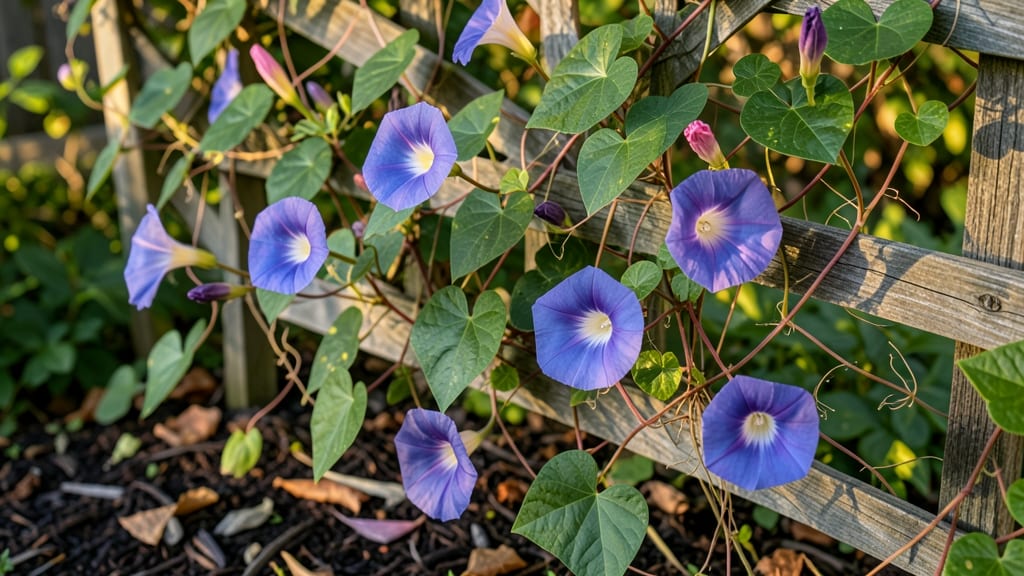
Morning glory bloom times vary dramatically by variety and climate, but most annuals burst into color 60-90 days after planting—if you time it right.
Picture this: you’ve spent weeks watching those delicate tendrils climb your trellis, only to wake up one June morning and realize your 🌸 Heavenly Blue flowers never appeared. That’s the heartbreak of planting too early or too late.
The difference between a showstopping summer display and a missed opportunity often comes down to frost dates and variety choices.
In USDA Zone 6a, where late frosts linger into April, most gardeners aim to plant seeds in early May—just as the soil warms.
But here’s the catch: some varieties, like the Star of Bethlehem, bloom faster (around 50 days) while others, such as Red Dawn, take closer to 90 days. Knowing these timelines helps you plan trellises, adjust watering, and even choose companion plants to extend the season.
Below, I’ll break down exact bloom windows by variety, how to tweak your planting schedule to avoid frost damage, and 5 simple tricks to coax earlier (or longer-lasting) blooms—no guesswork required.
Morning glory bloom time by variety: when to expect first flowers
Morning glories are famous for their vibrant, short-lived blooms that open each morning and wilt by afternoon—but their bloom timing varies dramatically by variety.
Whether you're growing Heavenly Blue for its sky-blue trumpets or Red Dawn for its fiery red flowers, knowing your specific variety's bloom window helps you plan for peak summer color and avoid frost-related disappointments.
Most morning glories planted after the last frost take 45-60 days to flower, but cooler climates or late plantings can push this to 70-90 days. The key is understanding how variety, sunlight, and soil temperature interact to trigger blooms.
For example, Star of Bethlehem typically blooms earlier than Flying Saucer varieties, while Pink Giant may take longer to reach its full floral potential.
Here’s a quick reference for popular morning glory varieties and their average bloom times from planting, based on USDA Zones 6-9 with full sun exposure:
| Variety | Bloom Time from Planting | Peak Bloom Period | Notes |
|---|---|---|---|
| Heavenly Blue | 45-55 days | Late June–August | Early bloomer; thrives in cooler summers |
| Star of Bethlehem | 50-60 days | July–September | White flowers; heat-tolerant |
| Red Dawn | 55-65 days | July–September | Deep red blooms; loves full sun |
| Flying Saucer | 60-70 days | August–October | Late bloomer; great for fall color |
| Pink Giant | 55-70 days | July–September | Large blooms; needs consistent moisture |
| Scarlet O’Hara | 50-60 days | July–September | Scarlet-red; drought-tolerant |
If you’re in USDA Zone 5 or colder, aim to plant seeds 2-3 weeks earlier than the table suggests to compensate for slower growth. For example, Heavenly Blue planted in late May might not bloom until mid-August instead of late June, depending on soil warmth.
Soil temperature plays a huge role in bloom timing. Morning glories won’t sprout until soil reaches 60°F (15°C), and cooler soils delay flowering. To speed things up, mulch with straw after planting to retain heat and moisture.
I’ve seen Heavenly Blue bloom 2 weeks earlier in mulched beds compared to bare soil.
Light also impacts bloom windows. While morning glories tolerate partial shade, they’ll bloom 2-3 weeks later in shady spots. For example, Red Dawn in a morning sun/afternoon shade location might not peak until early September instead of late July.
If you’re growing them near a fence or trellis, ensure they get at least 6 hours of direct sunlight daily.
Watering habits can also shift bloom timing. Consistent moisture (not soggy soil) encourages faster growth and earlier flowers. I’ve noticed that Pink Giant varieties planted in well-draining but moist soil bloom 10 days sooner than those in sandy or dry soil.
Aim for 1 inch of water per week, especially during droughts.
For gardeners in warmer climates (Zones 9-10), morning glories may bloom earlier and longer. For instance, Flying Saucer in Zone 10 can start flowering as early as June if planted in late March. However, avoid planting too early—seeds may rot in soil above 80°F (27°C).
Pro tip: If you want extended blooms, deadhead spent flowers daily. This tricks the plant into producing new blooms for 2-3 more weeks beyond its natural peak. I’ve kept Star of Bethlehem flowering until mid-October in Zone 7 by removing faded blooms every morning.
🌸
How frost dates affect morning glory bloom timing and survival
Morning glories thrive in warm weather, but their bloom time and survival hinge on understanding your local frost dates. These delicate vines can't withstand temperatures below 32°F (0°C), which means a late spring frost or early fall freeze can devastate your summer blooms.
In USDA zones 3-6, gardeners must plan carefully to avoid losing their vines entirely.
Your last frost date determines when to plant morning glory seeds. In zone 7, for example, seeds should go in after April 15, while in zone 10, you can plant as early as February.
Planting too early risks frost damage to tender seedlings, while planting too late may delay blooms until late summer, missing peak viewing months.
⚠️ Frost Warning for Morning Glories
Morning glories planted too early face frost damage that can kill vines before blooming. In zones 3-6, wait until 2 weeks after your last frost date—even if soil feels warm. Late bloomers like Heavenly Blue may still produce flowers if planted by June 1, but expect shorter vines and fewer blooms.
In colder regions (zones 3-5), morning glories often bloom later because they need 60-90 warm days to mature. If you plant seeds in May, you might see flowers as early as July, but a September frost could cut the season short.
To extend blooms, choose early-maturing varieties like Star of Bethlehem, which typically flowers in 50-60 days.
For zones 6-8, the biggest risk is late spring frost. If temperatures drop below 40°F (4°C) after germination, seedlings may stunt or die. Use row covers or wait until May 15 to plant.
In zone 9-10, morning glories can bloom year-round with minimal frost risk, but heat waves above 95°F (35°C) can stress vines and reduce flowering.
To protect morning glories from frost, use black plastic mulch to warm soil or cloche covers for young plants. In zones 3-5, consider container growing—move pots indoors before frost or use heat mats to extend the season.
Even a single night of frost can blacken leaves, but vines often recover if roots stay intact.
If frost threatens during bloom season, harvest open flowers immediately and deadhead damaged vines to encourage new growth. In zones 6-8, you might get a second flush of blooms if you remove frost-damaged sections.
For zones 9-10, focus on consistent watering and light fertilization to keep vines producing through fall.
Remember: Morning glories are annuals, so each year is a fresh start. By aligning your planting schedule with frost dates and choosing the right varieties for your zone, you can enjoy vibrant blooms from July to October—or even longer in warmer climates. 🌸