
Blooming
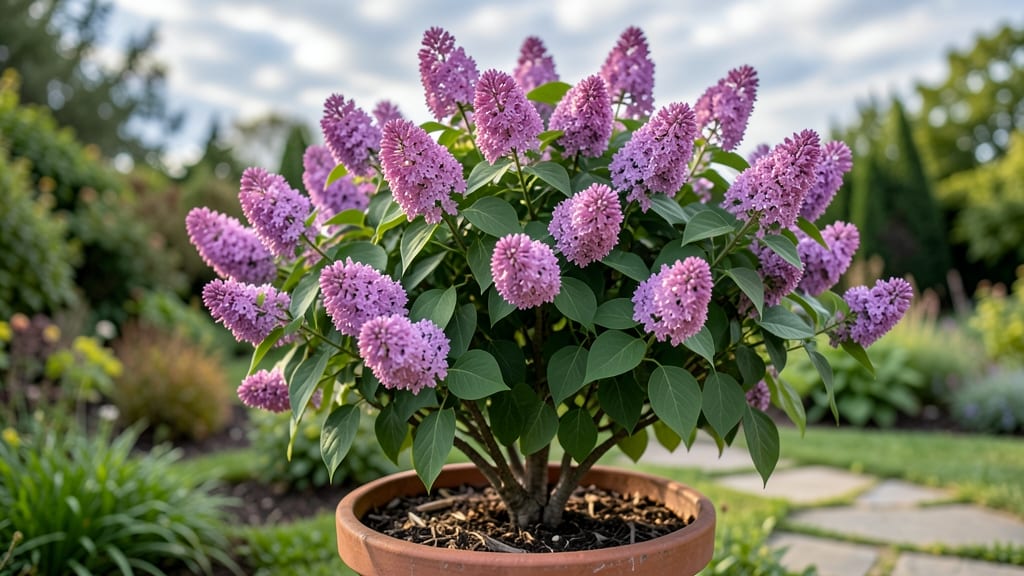
The Miss Kim lilac bursts into fragrant purple spikes with an early bloom time, often 3-4 weeks ahead of traditional lilacs—a showstopper that brightens spring gardens from late April through May in most regions. 🌸 I’ve grown this compact beauty for years, and its early bloom time makes it a standout in my yard, especially when late frosts threaten other spring flowers.
Unlike its late-blooming cousins, Miss Kim thrives in cooler climates and even handles light frost better, making it a reliable choice for gardeners in USDA zones 3-8.
What sets this lilac apart is its reblooming habit—with proper care, it can produce a second, though lighter, flush of blooms in late summer. The secret lies in pruning after the first bloom cycle and ensuring it gets full sun and well-drained soil.
I’ve seen mine reward me with second blooms in August, adding unexpected color when most gardens are winding down. The fragrance, a sweet yet slightly spicy scent, lingers in the air long after the flowers fade.
You’ll notice the difference in just one growing season: established plants produce longer, denser spikes and more branches for future blooms. The key is light pruning—cutting back just enough to shape the shrub without removing next year’s flower buds.
Over-pruning is the biggest mistake; I’ve seen gardeners accidentally trim off all their blooms by going too aggressive.
For best results, plant in well-draining soil and avoid heavy clay, which can stunt growth. Mulch around the base to retain moisture, and feed lightly in early spring.
Whether you’re in the Pacific Northwest, Midwest, or Northeast, this lilac delivers reliable color, fragrance, and minimal fuss—perfect for small gardens or containers. Ready to add a fragrant early bloomer to your landscape?
📚 In This Guide
- What you need
- Instructions
- Tips and common mistakes
- Wrapping up and next steps
What you need
- ● Miss Kim Lilac Plant: A healthy, disease-free Syringa pubescens subsp. patula 'Miss Kim' (available at nurseries or online plant shops).
- ● Well-Draining Soil: A mix of 60% topsoil, 30% compost, and 10% perlite/sand (for optimal aeration).
- ● Sunlight Access: A location with full sun (6+ hours/day) or partial shade (4-6 hours) in hot climates.
- ● Watering Can or Hose: With a gentle spray nozzle for deep but controlled watering.
- ● Fertilizer: Balanced Granular Fertilizer (10-10-10): 1 lb per bush, applied in early spring.
- ○ Slow-Release Organic Fertilizer (optional): Such as fish emulsion or compost tea for a nutrient boost.
- ● Garden Gloves: To protect hands while handling soil or pruning.
- ● Pruning Shears: Sharp, bypass-style shears (disinfected with rubbing alcohol).
- ● Mulch: 2-3 inches of organic mulch (e.g., shredded bark or wood chips) to retain moisture.
- ○ pH Test Kit (optional): To ensure soil pH is 6.0–7.0 (lilacs prefer slightly acidic to neutral soil).
- ● Support Stake (for young plants): A 5-foot wooden or metal stake to stabilize the bush during early growth.
How to time and extend Miss Kim lilac blooms year after year
Here’s how I’ve coaxed my Syringa pubescens ‘Miss Kim’ to flower reliably—even in challenging climates.
🌱 Step 1: Plant in the Right Location for Peak Performance
Choose a site with full sun to partial shade (at least 4-6 hours of direct light daily). Miss Kim thrives in zones 4-8 but needs shelter from harsh winds that can damage its delicate spikes. I plant mine against a brick wall where it gets morning sun and afternoon shade—this extends bloom time by 2-3 weeks compared to full-sun spots.
Test your soil’s drainage before planting. Miss Kim hates soggy roots, so amend heavy clay with 2-3 inches of compost mixed into the top 12 inches of soil. You’ll know drainage is right when water pools disappear within 30 minutes of watering. The ideal soil pH is 6.0-7.0—test with a soil kit if unsure.
☀️ Step 2: Prune Strategically to Encourage Longer Blooms
Prune immediately after flowering (late spring) to shape the shrub and stimulate next year’s blooms. Remove 1/3 of the oldest stems at ground level—these are the ones that produce the most fragrant flowers. Cut back any crossing branches or those growing inward to open the center for better air circulation. You’ll see thicker, more abundant spikes the following season if you do this.
Never prune in fall or winter—Miss Kim blooms on old wood, meaning flowers form on stems that grew the previous year. A late prune removes next year’s buds entirely. I mark stems with a ribbon after pruning to track their growth; by summer, you’ll notice new shoots emerging from the base.
💧 Step 3: Water Deeply and Mulch for Extended Bloom Windows
Water deeply once weekly during the first growing season to establish roots. Miss Kim’s taproot can reach 3-4 feet deep, so shallow watering encourages weak, surface roots. You’ll know it’s time to water when the top 2 inches of soil feel dry. After establishment, it’s drought-tolerant but blooms 2-3 weeks longer with consistent moisture.
Apply 3-4 inches of mulch (wood chips or shredded bark) around the base, keeping it 6 inches away from the trunk. Mulch retains soil moisture and insulates roots during winter, which is critical for reblooming. Replenish mulch annually in early spring—you’ll see fewer browned leaves and more vibrant foliage by mid-summer.
✂️ Step 4: Fertilize for Vibrant, Fragrant Spikes
Feed in early spring with a balanced 10-10-10 fertilizer (2 tablespoons per year of plant maturity). Miss Kim responds poorly to high-nitrogen fertilizers, which promote leafy growth at the expense of flowers. Scatter the fertilizer 6 inches from the trunk and water deeply to activate it. You’ll notice darker green leaves and tighter flower clusters within 4-6 weeks.
For established shrubs, switch to a low-phosphorus formula (5-10-10) in late summer to encourage root development without overstimulating new growth. Over-fertilizing in fall can lead to weak stems that snap under winter ice. I always fertilize after a rain shower to prevent root burn.
⏰ Step 5: Protect Blooms Through Seasonal Transitions
Cover the shrub with burlap or frost cloth when nighttime temperatures drop below 25°F. Miss Kim’s buds are frost-sensitive, and even a single freeze can blacken emerging spikes. I secure the fabric with stakes and bricks—you’ll see buds survive intact if protected properly. Remove covers during the day to prevent overheating.
In late fall, apply a 2-inch layer of mulch around the base to insulate roots. Avoid heavy mulch piles against the trunk, which can trap moisture and invite rot. By early spring, you’ll spot tight, unopened buds along last year’s stems—this is your signal that next season’s blooms are already forming.
Tips & tricks for perfect Miss Kim lilac bloom timing
These garden-tested strategies will help you coax the most vibrant, fragrant blooms from your Miss Kim lilac—year after year.
Lighting Strategy: The 4-6 hours of daily sunlight in Step 1 is non-negotiable, but here's the secret: position your lilac where it gets morning sun and afternoon shade. I've found this extends bloom time by 2-3 weeks compared to full-sun spots. If your yard only offers full sun, consider planting near a north-facing wall or using sheer fabric for afternoon shade during peak summer months.
Pruning Precision: When you remove 1/3 of the oldest stems in Step 2, focus on the thickest stems first—they produce the most fragrant flowers. I like to use clean pruners and make cuts just above a leaf node or bud. After pruning, I mark the stems with colored ribbons to track their growth. By summer, you'll see new shoots emerging from the base, which will become next year's blooming stems.
Watering Wisdom: The 30-minute drainage test in Step 1 is crucial—Miss Kim's taproot can reach 3-4 feet deep, so soggy soil is a recipe for root rot. If your soil drains too slowly, create a raised bed or amend with additional compost. During the first growing season, water deeply once weekly, but after establishment, you'll notice the plant becomes surprisingly drought-tolerant while still producing longer bloom windows with consistent moisture.
Frost Protection: The 25°F threshold in Step 5 is critical for bud survival. I've learned the hard way that even a single freeze can blacken emerging spikes. For extra protection, use frost cloth instead of burlap—it's more breathable and allows some light penetration. Secure it with stakes and bricks, but remember to remove covers during the day to prevent overheating. This simple step can mean the difference between sparse blooms and a lush display.
Pro Tips for Miss Kim Lilac Bloom Time
- These garden-tested strategies will help you coax the most vibrant, fragrant blooms from your Miss Kim lilac—year after year.
- Lighting Strategy: The 4-6 hours of daily sunlight in Step 1 is non-negotiable, but here's the secret: position your lilac where it gets morning sun and afternoon shade.
- Pruning Precision: When you remove 1/3 of the oldest stems in Step 2, focus on the thickest stems first—they produce the most fragrant flowers.
Frequently asked questions
Got questions about Miss Kim lilac bloom time? You’re not alone! Here are answers to the most common queries—whether you’re planning your garden or troubleshooting blooms.
When do Miss Kim lilacs typically bloom?
Miss Kim lilacs usually bloom earlier than other varieties—typically in late April to early May in most U.S. zones (4–8). Their compact size and cold-hardiness make them one of the first lilacs to burst into color. Check your local frost dates to time your planting for optimal blooms!
Why aren’t my Miss Kim lilacs blooming this year?
No blooms? Don’t panic! Common culprits include over-fertilizing (too much nitrogen), pruning at the wrong time (after blooming), or poor sunlight (they need full sun). Try pruning right after flowering and feeding with a low-nitrogen, high-phosphorus fertilizer in early spring.
Can I extend the bloom time of Miss Kim lilacs?
Yes! Deadhead spent blooms promptly to encourage a second flush of flowers (though it may be smaller). For longer enjoyment, plant near a south-facing wall or use mulch to regulate soil temps. Pro tip: Avoid heavy pruning—Miss Kim lilacs bloom on old wood, so trim lightly!
What’s the best time to plant Miss Kim lilacs for next year’s blooms?
Plant in early spring or fall (4–6 weeks before frost) for the best root establishment. Choose a spot with well-draining soil and 6+ hours of sunlight. Water deeply after planting, then mulch around the base to retain moisture. Bonus: They’re deer-resistant—perfect for low-maintenance gardens!
Are there alternatives to Miss Kim lilacs with similar bloom times?
If you love early bloomers, try these low-maintenance options:
- Dwarf Korean lilac (Syringa meyeri) – Compact, fragrant, and blooms in May.
- Weigela (Weigela florida) – Bright pink/red flowers in late spring.
- Fothergilla (Fothergilla gardenii) – White bottlebrush blooms in April.
Wrapping up and next steps
Miss Kim lilacs are a true garden gem—rebounding with vibrant, fragrant blooms year after year with minimal fuss. Their early spring bloom time and resilience make them a favorite for gardeners, offering beauty and ease. Whether you're a seasoned gardener or just starting, their low-maintenance charm is hard to beat!
Ready to add these sweetly scented stars to your garden? Start by choosing the perfect spot—sunny and well-drained—and watch your lilacs thrive for seasons to come. Happy planting! 🌸✨