
Blooming
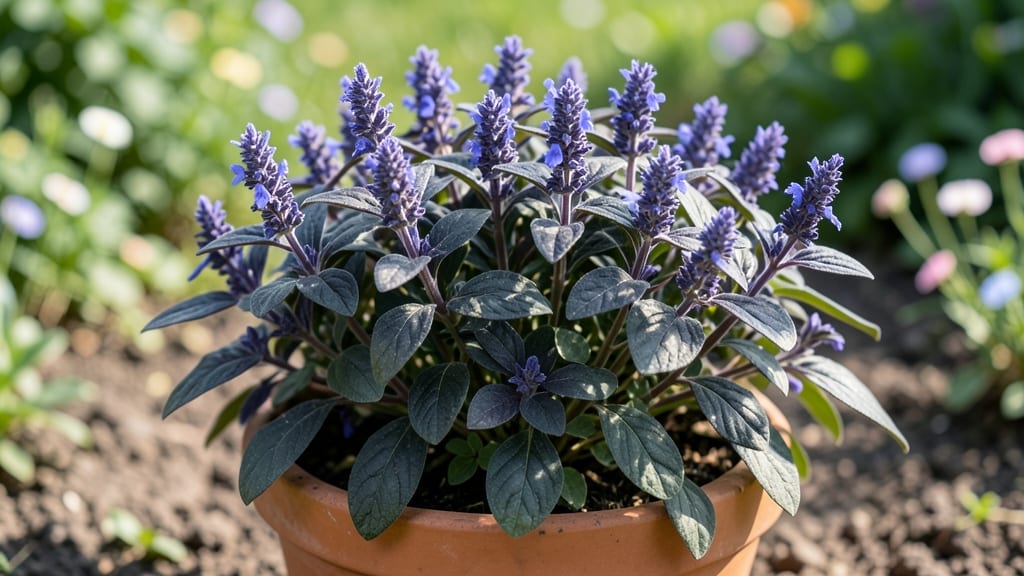
Black and Bloom salvias are the purple powerhouses that refuse to quit. 🌿 Their deep, velvety blooms stand out against any garden backdrop, and they just keep coming back year after year with minimal fuss.
These salvias thrive in full sun, making them perfect for borders, containers, or pollinator gardens where they’ll attract bees and butterflies while adding drama with their striking spikes. Pair them with silver foliage plants like lamb’s ear or dusty miller to make the purple pop even more.
The real magic happens in late summer when most perennials are fading—your Black and Bloom salvias will still be putting on a show, their dark stems contrasting beautifully with golden oranges and creamy whites. They’re the plant that keeps on giving.
Whether you’re designing a cottage garden, a modern container arrangement, or a low-maintenance pollinator haven, these salvias deliver season-long interest with almost no effort. Let’s make them the star of your garden!
📚 In This Guide
- What you need
- Instructions
- Tips and common mistakes
- Wrapping up and next steps
What you need
- ● Black and Bloom Salvia plants: 1–3 nursery-grown plants (6–12 inches tall, in 4–6 inch pots) – best for instant color
- ● OR Salvia seeds (e.g., Salvia ‘May Night’ or Salvia ‘Black and Bloom’) – for budget-friendly, long-term growth
- ● Well-draining potting mix: 1–2 bags (18–24 inches³) – critical for preventing root rot
- ● Garden soil (if planting outdoors): Amended with compost (mix 1 part compost to 3 parts native soil)
- ○ Containers (optional for pots): 1–3 pots (10–12 inches in diameter) with drainage holes – terracotta or fabric pots work best
- ● Garden trowel or hand shovel – for transplanting
- ● Pruning shears – for deadheading and shaping
- ● Watering can or hose with adjustable nozzle – gentle watering is key
- ○ Mulch (optional): 1–2 bags of shredded bark or straw – helps retain moisture and suppress weeds
- ○ Fertilizer (optional): Balanced, slow-release granular fertilizer (10-10-10) – sprinkle lightly around roots in spring
- ● OR Liquid seaweed fertilizer – for a gentle nutrient boost
- ● Sunlight access: Full sun (6+ hours/day) – Black and Bloom Salvias thrive in hot, sunny spots
- ● Hardiness zone: USDA Zones 5–10 – check your local climate before planting outdoors
- ● 🌡️ Test your soil: Salvias hate soggy roots—amend heavy clay soil with perlite or sand for better drainage.
- ● ✨ Deadhead spent blooms: Snip off faded flowers to encourage non-stop reblooming all season.
- ● 🔥 Overwintering (Zones 5–7): Mulch heavily in fall to protect roots from freezing.
Step-by-step guide to planting and caring for Black and Bloom salvias
Here's how to get those stunning purple blooms thriving year after year with minimal fuss.
🪴 Step 1: Choose the Perfect Planting Spot
Black and Bloom salvias need full sun—at least 6 hours daily—to produce their signature deep purple blooms. I always pick a location with morning sunlight and afternoon shade if your summers run hotter than 90°F. These plants tolerate heat better than most salvias, but their foliage will scorch if baked all day.
Check your spot's drainage by digging a 12-inch hole and filling it with water. If it doesn't drain within 2 hours, amend the soil with 2-3 inches of compost before planting. Salvias hate soggy roots, so good drainage is non-negotiable. I like to add a handful of perlite to the planting hole to boost airflow around the roots.
🌱 Step 2: Plant at the Right Depth and Spacing
Dig a hole twice as wide as the salvia's root ball but only as deep as the container it came in. Black and Bloom salvias grow 2-3 feet tall and wide, so space them 18-24 inches apart for best airflow and blooming. Crowding leads to leggy stems and fewer flowers.
Remove the plant from its container and gently loosen the roots if they're circling. Place it in the hole so the top of the root ball sits just below soil level—burying the crown too deep suffocates the plant. Backfill with native soil mixed with 1 cup of slow-release fertilizer per plant. Water deeply right after planting to settle the soil.
☀️ Step 3: Water Deeply but Infrequently
Salvias are drought-tolerant once established, but they need consistent moisture for their first 2-3 weeks to root in. Water 1 inch per week, letting the top 2 inches of soil dry out between waterings. Overwatering is the #1 killer—these plants hate wet feet. I use a moisture meter to check; if it reads dry at 2 inches deep, it's time to water.
After the first month, cut back to watering every 10-14 days unless your area experiences extreme heat. Mulch with 2-3 inches of wood chips or gravel to retain moisture and regulate soil temperature. Avoid organic mulch like straw—it can rot and invite pests.
✂️ Step 4: Prune for Continuous Blooms
Deadhead spent blooms every 2-3 weeks by snipping just above a set of leaves where new growth appears. This encourages the plant to produce more flowers instead of going to seed. I use clean, sharp pruners to avoid tearing stems. Never cut into old wood—always leave some green growth.
In late winter or early spring, give your salvias a light haircut by trimming back one-third of the plant's height. This removes dead growth and stimulates fresh, bushier growth. If your salvia gets leggy, prune back to 6-8 inches tall—it'll bounce back with even more vibrant blooms.
🌿 Step 5: Overwinter for Next Year's Blooms
Salvias are perennial in USDA zones 7-11, but they need protection in colder climates. Once temperatures drop below 40°F, stop watering entirely and cut back dead foliage to 2-3 inches tall. In zones 6 or colder, mound 4-6 inches of mulch around the base to insulate the roots.
In spring, new growth will emerge from the base. Resume watering when shoots reach 2 inches tall, and fertilize lightly with a balanced 10-10-10 formula to jumpstart blooming. With proper care, your Black and Bloom salvias will reward you with season-after-season color with almost no effort.
Tips & tricks for perfect Black and Bloom salvias
These simple strategies will help your salvias thrive and keep blooming like clockwork all season long.
Sunlight Strategy: If you're planting in a hotter climate where temperatures regularly exceed 90°F, consider using shade cloth (30-50% coverage) during the peak afternoon hours. I've seen salvias scorch within hours when left in full sun past noon—especially in the first few weeks after planting. A little afternoon shade makes all the difference for those deep purple blooms.
Root Ball Rescue: When removing your salvia from its container, gently squeeze the sides to loosen the root ball if you notice roots circling tightly. I've had plants where the roots were so compacted they couldn't expand properly in the soil. This simple step helps the roots spread out and establish faster in their new home. The goal is to keep that root ball intact while encouraging outward growth.
Watering Wisdom: The 2-inch deep soil check is your best friend—stick your finger in the soil at that depth before watering. I've learned the hard way that surface moisture doesn't tell the full story. Salvias need that deeper moisture to develop strong roots, but you don't want to keep the soil soggy. Think of it like giving your plant a long drink rather than frequent sips.
Pruning Precision: When deadheading every 2-3 weeks, look for the first set of healthy leaves below the spent bloom. That's your target cutting point—it tells the plant exactly where to focus its energy for new growth. I've noticed that cutting too low can stress the plant, while cutting too high leaves ugly stubs. Aim for that sweet spot where new shoots will emerge.
Pro Tips for Black And Bloom Salvias
- These simple strategies will help your salvias thrive and keep blooming like clockwork all season long.
- Sunlight Strategy: If you're planting in a hotter climate where temperatures regularly exceed 90°F, consider using shade cloth (30-50% coverage) during the peak afternoon hours.
- Root Ball Rescue: When removing your salvia from its container, gently squeeze the sides to loosen the root ball if you notice roots circling tightly.
Frequently asked questions
Got questions about growing Black and Bloom salvias? You’re not alone!
Here are answers to the most common queries to help you cultivate these stunning purple powerhouses with confidence.
How do I encourage my Black and Bloom salvia to bloom more abundantly?
These salvias thrive on full sun (6+ hours daily) and well-draining soil. Prune back faded spikes in early spring to promote fresh growth, and fertilize lightly with a low-phosphorus formula (like 10-10-10) in early spring. Drought tolerance is key—overwatering stresses them!
Can Black and Bloom salvias survive winter in cold climates?
They’re perennial in USDA Zones 7-10. In colder areas (Zone 6 or below), mulch heavily with straw or leaves and cut back stems to 6 inches before frost. Evergreen varieties may lose leaves but regrow in spring. For extra protection, cover with burlap or a frost blanket.
What can I plant alongside Black and Bloom salvias for a striking combo?
Pair them with silver foliage plants (like Lavandula or Artemisia ‘Powis Castle’) for contrast, or yellow bloomers (e.g., Coreopsis) to pop their purple spikes. Avoid overly competitive roots like hostas—salvias prefer low-maintenance neighbors!
Why are my Black and Bloom salvia leaves turning yellow or brown?
Yellowing often signals overwatering or poor drainage. Let soil dry between waterings, and amend heavy clay soil with gravel or sand. Brown edges? Underwatering or salt buildup (flush soil with water if using tap water). Fungal issues? Space plants for airflow and avoid wetting foliage.
Are Black and Bloom salvias deer-resistant?
While not fully deer-proof, they’re less appealing than tender herbs or veggies. For extra protection, plant in containers or use deer repellent. Pair with deer-resistant companions like Russian sage or salvia ‘May Night’ to deter browsers.
Wrapping up and next steps
Black and Bloom Salvias are the ultimate low-maintenance superstars of the garden—packing bold, velvety blooms that thrive year after year with minimal fuss. Whether you’re drawn to their striking dark foliage or their vibrant purple spikes, these plants prove that beauty and resilience go hand in hand.
Ready to level up your garden? Grab a few cuttings, follow the care tips, and watch your space transform into a purple paradise that keeps rebounding season after season! 🌿✨
Next step: Plant your first Black and Bloom Salvia today—your future blooms will thank you! 🌸