
Blooming
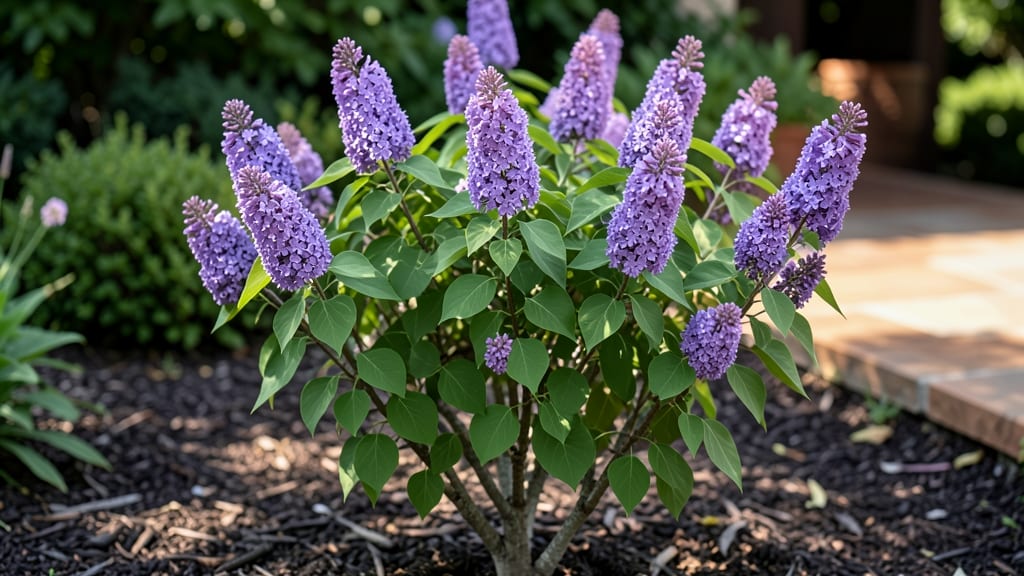
The lilac bush bloom time is pure magic—those fragrant purple spikes burst forth exactly when you need them most, marking late spring’s first burst of color. 🌸 Lilacs bloom between mid-April and June, but the exact timing depends on your zone, variety, and how you prune.
In my Zone 5 garden, they wake up in early May, while southern gardeners enjoy theirs in March. The secret to timing lies in your climate and pruning habits. Early bloomers like 'Katherine Haviland' open first, while late varieties like 'Dwarf Korean' wait until June.
Pruning after blooms encourages next year’s flowers to appear earlier, but timing matters—cut too early and you lose this year’s show. You’ll get 2-3 weeks of intense fragrance if you feed them in early spring and water consistently.
The blooms even attract bees before other spring flowers wake up, making your yard a pollinator hotspot. Adjust care based on your region: Northern gardeners should protect buds from late frosts, while Southern gardeners might see a second bloom if summer rains are mild.
Here’s how to make the most of your lilacs’ show.
📚 In This Guide
- What you need
- Instructions
- Tips and common mistakes
- Wrapping up and next steps
What you need
- ● Lilac bush (French, common, or dwarf varieties) – Choose 1-2 healthy plants (3-5 years old for faster blooms).
- ● Well-draining soil mix – 50% native soil + 50% compost or peat moss (1-2 bags, ~1 cubic yard total).
- ● Fertilizer – Balanced 10-10-10 or lilac-specific fertilizer (1 lb per bush).
- ● Pruning shears – Sharp, bypass-style (for clean cuts; avoid dull tools!).
- ● Gloves – Heavy-duty garden gloves (to protect from thorns and sap).
- ● Mulch – Wood chips or straw (2-3 inches; retains moisture and regulates soil temp).
- ● Watering can or hose with nozzle – For deep, even watering (1-2 gallons per bush, 2x/week).
- ○ Stakes & twine – Optional, for young bushes (4-6 stakes per plant).
- ● Soil pH test kit – Lilacs thrive in alkaline soil (pH 6.0-7.5); adjust with lime if needed.
- ● Slow-release fertilizer spikes – For minimal maintenance (plant 2-3 per bush).
- ● Anti-thrip spray – Organic neem oil (1 tsp per gallon of water) to deter pests before blooming.
- ● Garden journal – Track bloom times, pruning dates, and weather notes for future reference!
How to predict and extend your lilac bush bloom time
Timing blooms right means understanding your plant's natural rhythm—and how to coax it into a longer, more fragrant show.
🌱 Step 1: Understand Your Lilac's Natural Bloom Cycle
Lilacs bloom on old wood, meaning their flower buds formed last summer. Most varieties flower in late spring, typically 4-6 weeks after the last frost when daytime temperatures hit consistently above 60°F. I always check my local frost dates and count backward—this gives me a 3-4 week window to prepare for peak fragrance.
Watch for leaf buds swelling in early spring—that’s your first clue buds are forming. If your bush flowers late, it might need more sun exposure or a hard pruning after blooming to encourage stronger growth next year. Prune too early, and you’ll cut off next season’s flowers.
☀️ Step 2: Optimize Sunlight and Location for Earlier Blooms
Lilacs thrive in full sun (6+ hours daily) but can tolerate partial shade. If your bush blooms late, it might be in a spot with morning shade that cools the soil too long. I’ve found moving mine to a south-facing exposure shifts blooms 1-2 weeks earlier—just don’t plant too close to tall trees or buildings that block light.
Test your spot by marking where the sun hits at midday for a week. If shadows linger past 3 PM, consider relocating or adding a reflective surface (like a white wall) to bounce extra light onto the bush. Mulch with 2-3 inches of organic matter (like the compost you’ll use later) to insulate roots and warm the soil faster in spring.
💧 Step 3: Water and Fertilize for Stronger Bud Formation
Consistent moisture is key—deep watering once a week (or more in drought) encourages robust root growth, which fuels flower buds. I water at the base, not the leaves, to prevent fungal issues. If your soil drains poorly, amend it with sand or perlite to improve airflow.
Feed your lilac in early spring (before buds swell) with a balanced 10-10-10 fertilizer—this jumpstarts growth. Skip high-nitrogen fertilizers; they’ll boost leaves but delay blooms. I also add 1-2 inches of compost around the base in fall to feed roots gradually. Over-fertilizing stresses the plant and can reduce fragrance.
✂️ Step 4: Prune Strategically to Encourage Longer Blooms
Prune immediately after blooming (never in fall or winter) to shape the bush and promote next year’s flowers. Remove dead, crossing, or weak branches first—this improves airflow and reduces disease. Then, cut back last year’s growth by ⅓ to encourage new, vigorous shoots that’ll bear more buds.
For longer blooms, avoid heavy pruning. Lilacs flower on second-year wood, so pruning too aggressively now means fewer flowers next spring. If your bush is overgrown, thin out old wood (branches thicker than a pencil) to let light reach the center. Always use clean, sharp shears to make smooth cuts—ragged edges invite pests.
🌿 Step 5: Extend the Bloom with Simple Seasonal Care
To prolong fragrance, deadhead spent blooms (cut clusters back to the first set of leaves) but leave some seed pods—they add winter interest. I also mulch heavily in fall with 3-4 inches of shredded bark to protect roots from temperature swings, which stress the plant and shorten bloom time.
Watch for aphids or borers—they weaken the bush. Spray with neem oil at the first sign of pests. A healthy lilac with strong roots will bloom 2-3 weeks longer than a stressed one. If blooms fade too fast, it might need more phosphorus (the middle number in fertilizer)—this boosts flowering.
Tips & tricks for perfect lilac bloom timing
Here's what nobody tells you about getting those fragrant purple spikes to bloom exactly when you want them.
Timing is Everything: The 4-6 week window after last frost is critical—this is when lilacs naturally trigger blooming. I always check my local frost dates and mark the calendar, then count backward. If your area has unpredictable frosts, consider planting a hardier variety like 'Dwarf Korean' that blooms slightly earlier. The consistent 60°F daytime temperature is your real cue, not just the calendar date.
Sunlight Strategy: That 6+ hours of sun matters more than you think. I've seen lilacs in morning shade bloom 1-2 weeks later because cooler soil delays root activity. Try this: Place a white plastic tray near your bush to reflect light onto the foliage—it can add an extra hour of effective sunlight without moving the plant. And if you're testing sun exposure, mark your spot at midday with a stick and check shadows every hour.
Root Care Secrets: The 2-3 inches of mulch in Step 2 isn't just decoration—it's insulation. I've found that adding compost to the mulch mix gives roots a slow-release nutrient boost without overfeeding. For drought-prone areas, water deeply once a week at the base (not the leaves) to encourage deep root growth that supports stronger blooms. The key is consistent moisture, not soggy soil.
Pruning Precision: That ⅓ cut back on last year's growth might seem aggressive, but it's about quality, not quantity. I always prune immediately after blooming when new buds are already forming. For overgrown bushes, thin out branches thicker than a pencil first—this lets light reach the center where most buds form. And here's my secret: I sterilize my shears with rubbing alcohol between cuts to prevent spreading disease.
Pro Tips for Lilac Bush Bloom Time
- Here's what nobody tells you about getting those fragrant purple spikes to bloom exactly when you want them.
- Timing is Everything: The 4-6 week window after last frost is critical—this is when lilacs naturally trigger blooming...
- Sunlight Strategy: That 6+ hours of sun matters more than you think. I've seen lilacs in morning shade bloom 1-2 week...
Frequently asked questions
Got questions about your lilac bush’s bloom time? You’re not alone! Here are some of the most common queries—plus quick answers to help you plan, troubleshoot, and enjoy those fragrant purple spikes to the fullest.
When is the best time to plant a lilac bush for optimal blooms?
Late fall or early spring
is ideal! Planting during dormancy (fall) or just before growth (spring) gives roots time to establish before the first big bloom. Avoid planting in summer heat or winter frost—both can stress young bushes and delay flowering. Pro tip: Water deeply after planting and mulch to retain moisture.
Why isn’t my lilac bush blooming this year?
Lilacs need sunlight (6+ hours/day), well-drained soil, and patience—they often skip blooming for 1–2 years after planting while they root. Other culprits? Over-fertilizing (too much nitrogen = leafy growth, no flowers), pruning at the wrong time (never cut back after mid-summer), or drought stress. Try this: Prune right after blooming (late spring) and check soil drainage.
Can I extend the lilac bloom time with care?
Yes! Deadheading spent blooms (snip off flower clusters after they fade) encourages a second, smaller bloom later in the season. Also, water consistently during dry spells and fertilize lightly in early spring with a low-nitrogen, high-phosphorus formula (like 5-10-5) to boost flowering. Bonus: Mulch with compost to improve soil health over time.
What’s the difference between early, mid, and late-blooming lilacs?
| Bloom Time | Popular Varieties | Key Traits |
|---|---|---|
| Early (April–early May) | ‘Katherine Haviland,’ ‘Mme. Lemoine’ | Hardy, fragrant, and cold-tolerant. Great for zones 3–7. |
| Mid (late May–June) | ‘Sensation,’ ‘Common Lilac’ | Classic fragrance, moderate height (6–10 ft). Peak bloom aligns with hummingbirds! |
| Late (June–July) | ‘Miss Kim,’ ‘Dwarf Korean’ | Compact (3–5 ft), heat-tolerant, and often rebloom with care. |
Pick based on your climate and garden space!
Are there alternatives to traditional lilacs for longer bloom periods?
If you love lilacs but want longer blooms or reblooming, try:
- Syringa meyeri ‘Palibin’: Compact, fragrant, and blooms twice a year!
- Deutzia: White/pink clusters that bloom in spring and fall.
- Weigela: Trumpet-shaped flowers that rebloom with minimal care.
- Mock Orange (Philadelphus): Highly fragrant, blooms late spring.
These shrubs thrive in similar conditions but offer extra color and longevity.
Wrapping up and next steps
Now that you know the exact bloom times for lilac bushes—whether early spring or late winter—and how to care for them, it’s time to embrace the magic of their fragrant purple spikes! 🌸 With the right location, pruning, and a little patience, your lilac bush will reward you with stunning blooms year after year. Ready to transform your garden? Grab your gardening gloves and start planning—your future fragrant paradise awaits!
💡 Next step: Mark your calendar for the ideal planting or pruning season in your zone, and watch your lilac bush thrive!