
Blooming
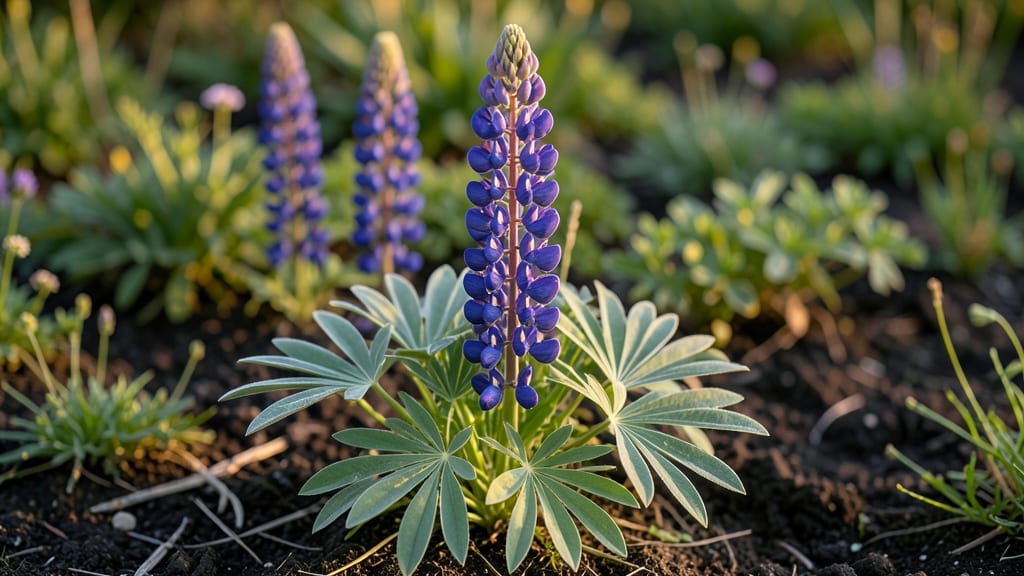
Lupine bloom time by variety: quick guide to flowering duration
Lupines are famous for their dramatic spike-like flower clusters, but their bloom duration varies widely depending on the variety.
Annual lupines like Blue Peter typically shine for just 2-4 weeks, while hardy perennials such as Russell Hybrid can extend their display to 6-8 weeks or longer with proper care. Understanding these differences helps you plan sequential blooms for year-round color.
Most lupines bloom in late spring to early summer, aligning with their natural growing cycle. However, cooler climates may delay flowering until mid-summer, while warmer zones might see earlier blooms in April or May.
The key to maximizing display is choosing varieties that overlap bloom times or following up with late-season performers like Silver Cup.
Here’s a quick reference for popular lupine varieties and their typical bloom durations to help you create a continuous color show in your garden:
| Variety | Type | Bloom Duration | Seasonal Timing | Height (ft) |
|---|---|---|---|---|
| Russell Hybrid | Perennial | 6-8 weeks | Late spring-early summer | 3-5 |
| Russell Lupine | Perennial | 5-7 weeks | Mid-spring to summer | 2-4 |
| Silver Cup | Perennial | 4-6 weeks | Late spring-early summer | 2-3 |
| Blue Peter | Annual | 2-4 weeks | Summer (late) | 2-3 |
| Alba | Perennial | 5-7 weeks | Mid-spring | 3-4 |
The Russell Hybrid is a perennial favorite, offering long-lasting blooms from late spring through early summer. Its 6-8 week display makes it ideal for border gardens or as a cut flower staple.
For shorter displays, Blue Peter delivers vibrant blue-purple spikes in late summer but only for 2-4 weeks, making it perfect for seasonal accents.
Silver Cup, with its silvery foliage and creamy-white flowers, blooms for 4-6 weeks in late spring, pairing beautifully with purple-blue lupines for a two-tone effect. If you’re in a cooler climate, expect blooms to start later—sometimes as late as June—while warmer zones may see flowers as early as April.
For continuous color, combine early bloomers like Alba (white flowers in mid-spring) with late-season performers like Blue Peter. This strategy ensures your garden stays visually dynamic from spring through summer. Pair lupines with complementary perennials like delphiniums or hollyhocks to extend the seasonal interest.
Climate plays a critical role in bloom timing. In USDA Zone 5 or colder, lupines may not bloom until June or July due to slower growth. Meanwhile, Zone 8+ gardens often see earlier blooms in April.
Always check your local frost dates and adjust planting times to avoid late frosts, which can damage emerging flower spikes.
To extend bloom time, focus on deadheading spent flowers and ensuring well-draining soil. Lupines are nitrogen-fixers, so they don’t need heavy fertilization—over-fertilizing can actually reduce flowering. Instead, prioritize balanced nutrients and consistent moisture during the growing season.
If you’re new to growing lupines, start with Russell Hybrid for its reliable performance and
How to extend lupine bloom time naturally: pruning and care tips
Want your lupines to bloom longer and brighter? The secret lies in a few simple yet effective care techniques that encourage continuous flowering. Lupines naturally produce stunning flower spikes, but with the right approach, you can stretch their bloom time from weeks to months.
Let’s explore the most impactful strategies to keep your lupines in full glory.
First, understand that deadheading is your best friend for prolonging lupine blooms. By removing spent flowers regularly, you redirect the plant’s energy toward producing new blooms instead of seed pods.
This simple task can extend flowering by 3-4 weeks in many varieties, especially perennial lupines like Russell Hybrid or Silver Cup.
🌿 Numbered Highlights: Extend Lupine Bloom Time 🌿
- 1. Deadhead weekly: Snip off faded flower spikes just above a set of leaves to encourage new growth.
- 2. Prune lightly: Trim 1/3 of old stems after blooming to promote bushier, longer-lasting foliage.
- 3. Feed minimally: Use low-nitrogen fertilizer (5-10-10) only at planting—too much nitrogen reduces blooms.
- 4. Water deeply: Soak roots every 10-14 days to prevent stress, but avoid soggy soil.
- 5. Optimize sunlight: Ensure 6+ hours of full sun daily—partial shade shortens bloom time.
- 6. Mulch well: Apply 2-3 inches of mulch to retain moisture and regulate soil temperature.
For annual lupines, like Blue Peter, focus on consistent deadheading and avoid over-fertilizing. These varieties bloom prolifically but need regular maintenance to keep up production. In contrast, perennial lupines benefit from a light pruning in early spring to remove dead stems before new growth begins.
Soil nutrition plays a crucial role too. Lupines are nitrogen-fixers, meaning they pull nitrogen from the air, but they still need balanced nutrients. A light application of phosphorus (the middle number in NPK) at planting encourages stronger root systems, which translates to longer bloom times.
Avoid high-nitrogen fertilizers—they’ll produce lush leaves but fewer flowers.
Don’t overlook the power of watering schedules. Deep, infrequent watering—about every 10-14 days—keeps roots healthy without encouraging weak stems. Water in the early morning to reduce evaporation and fungal risks.
Pair this with mulching to lock in moisture and keep soil temperatures stable, both of which contribute to extended blooming.
Finally, pay attention to light exposure. Lupines thrive in full sun, but if your garden is shadier, choose tolerant varieties like Lupinus polyphyllus. Even a few hours less of sunlight can shorten bloom time, so position your lupines where they’ll get the most light possible.
With these tips, your lupines will reward you with vibrant, long-lasting blooms all season long! 🌸