
Blooming
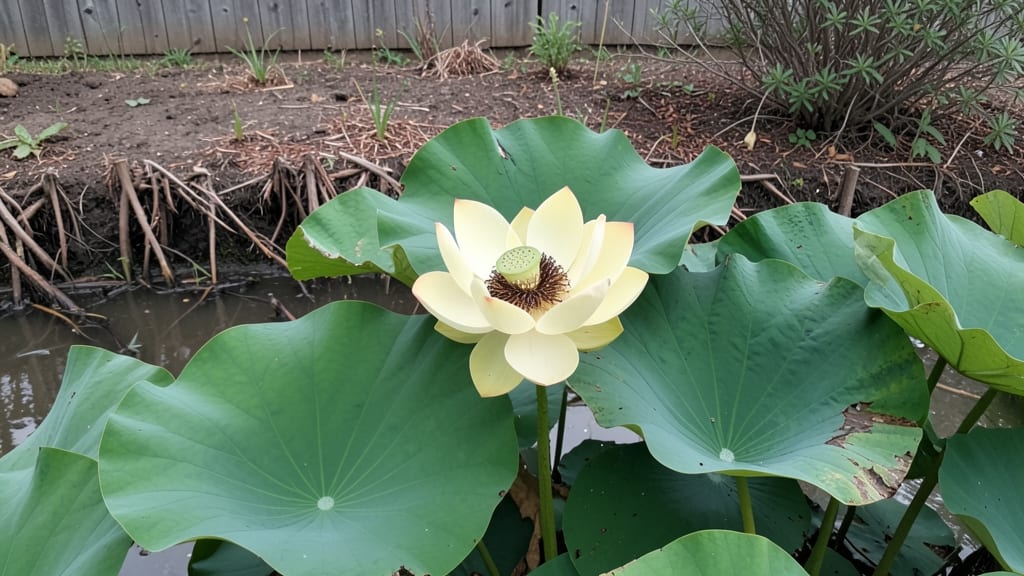
Lotus blooming season typically spans late spring through summer, peaking in June and July in temperate climates, while tropical lotuses may bloom year-round with seasonal variations. Sacred lotus thrives in warm regions like Southeast Asia, Egypt, and parts of North America, requiring full sun and standing water to reach full bloom potential.
The timing of lotus blooms isn’t just about the calendar—it’s a delicate dance between sunlight and water temperatures. 🌞 In cooler regions, lotuses often wait until water reaches at least 70°F before unfurling, which is why June-July peaks align with summer warmth.
Meanwhile, tropical varieties like the Egyptian blue lotus (Nelumbo coerulea) can bloom sporadically when conditions are ideal, sometimes even in winter with consistent warmth.
What’s fascinating is how lotuses "remember" their environment: in temperate zones, they may enter dormancy after blooming, only to re-emerge the following spring when daylight stretches longer.
This adaptability explains why some gardeners in USDA Zone 7 can coax late-season blooms by extending their growing season with shallow water ponds or floating planters.
💡 In This Article
- Factors Influencing Lotus Bloom Timing
- Best Regions for Growing and Viewing Lotus Flowers
Factors influencing lotus bloom timing
The precise moment a lotus unfurls its petals depends heavily on water temperature, which acts as a biological trigger. For Nelumbo nucifera (the sacred lotus), blooms typically begin when pond water reaches 70-75°F. This warmth activates the plant's meristem cells, which are responsible for new growth.
In colder climates, gardeners often use floating solar panels or shallow water heaters to accelerate blooming by 2-3 weeks. The contrast with tropical lotuses is striking—they may bloom year-round in regions like Thailand, where water temperatures rarely dip below 78°F.
Daylight hours play an equally critical role, particularly in temperate regions. Lotus plants require 12-14 hours of sunlight daily to trigger flowering, which explains why blooms peak during summer solstice periods.
The Nelumbo lutea (American lotus) in the southeastern U.S. often blooms 1-2 weeks earlier than its Asian counterparts because it adapts to slightly shorter daylight cycles. Interestingly, lotuses can "count" daylight through a process called photoperiodism, where their internal clocks measure light exposure to determine when to bloom.
Soil composition and water depth create another layer of complexity. Lotus rhizomes thrive in 3-6 inches of water with nutrient-rich, slightly acidic soil (pH 6.0-7.5). In clay-heavy regions like Egypt's Nile Delta, lotuses develop deeper rhizomes to access nutrients, while sandy soils require more frequent fertilization.
The water's oxygen levels also matter—stagnant water can trigger anaerobic conditions, stunting growth. This explains why lotuses in flowing rivers (like India's Ganges) often bloom more prolifically than those in still ponds.
Dormancy periods reveal the plant's survival strategies. In USDA Zone 5, lotuses may enter dormancy after their first bloom, only to re-emerge when soil temperatures rise above 55°F in spring.
This adaptation explains why some gardeners in colder zones plant lotuses in deep containers that can be buried and insulated during winter. The contrast with tropical lotuses is profound—they lack this dormancy cycle entirely, blooming continuously when conditions permit.
Here's what most gardeners overlook: humidity levels can delay blooming by 10-14 days in high-moisture climates. The Egyptian blue lotus often struggles in humid Southeast Asian climates unless given 50% shade cloth to reduce transpiration stress.
This explains why some botanical gardens in Singapore use misting systems to regulate humidity during flowering seasons. The interplay between these factors creates the precise bloom windows we observe in nature.
For those cultivating lotuses, understanding these factors means timing is everything. Planting Nelumbo nucifera in late April in Zone 7 ensures rhizomes establish before water warms to 70°F, while tropical varieties may bloom within 60-90 days of planting when conditions are ideal.
The key takeaway? Lotus blooming isn't just about climate—it's about creating the perfect microclimate where water, light, and soil work in harmony.