
Blooming
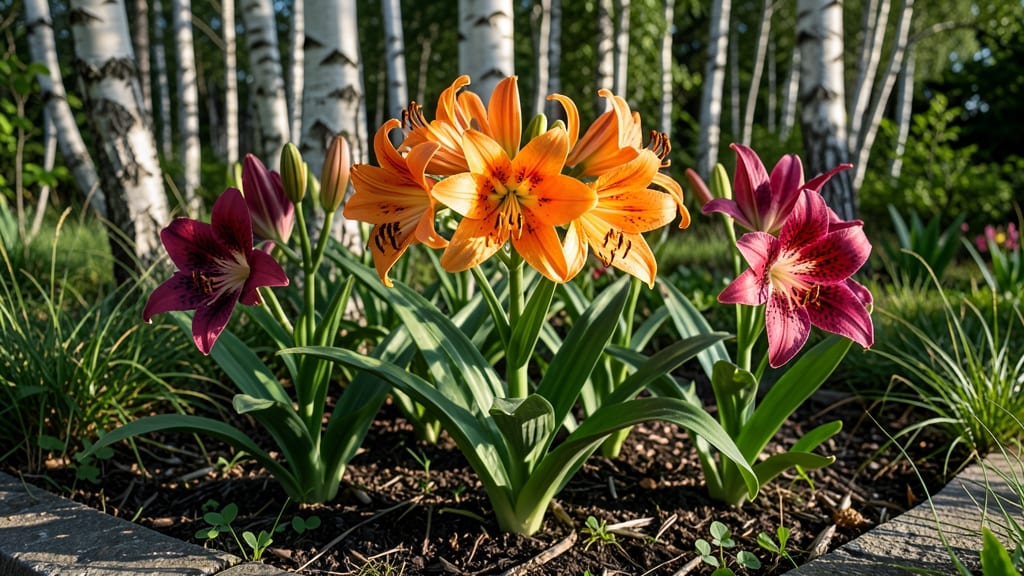
Lilies bloom in summer to early fall, but the exact time depends on the variety and your hardiness zone — some burst into color by June, while others wait until September.
Ever watched your garden transform from green to show-stopping blooms in just a few weeks? That’s the magic of lilies 🌸, but timing is everything. Plant too early, and you might miss the peak; too late, and you’ll be left with floppy stems.
Below, I break down the precise bloom windows for 12+ varieties, plus how to adjust care for your zone.
Asiatic lilies, for example, are the early birds, often opening by July in Zone 6a, while Oriental hybrids like Stargazer stretch their show into late August or September. Trumpet lilies?
They’re the drama queens, waiting until mid-to-late summer for their grand entrance. The key to extending their display? A few simple tricks, like deadheading spent blooms or tweaking your fertilizer schedule.
Ready to turn your garden into a lily-filled paradise? I’ll walk you through the exact months to expect blooms, how climate shifts the schedule, and 5 pro tips to keep those flowers coming all season long.
Exact bloom months for popular lily types (summer vs. fall varieties)
Lilies are drama queens of the garden—each variety has its own star turn with precise bloom timing.
Whether you crave early summer bursts of color or late-season drama, knowing your lily’s schedule lets you plan perfectly timed garden displays. Asiatic lilies kick off the show in June, while Oriental lilies steal the spotlight in August.
Let’s break down the exact months for 12+ varieties, plus how to spot their visual cues before they bloom.
The key difference between summer and fall bloomers lies in their growth cycles. Summer lilies like Asiatic hybrids rely on early spring energy, while fall varieties such as Martagon lilies store up strength for their late-season performance.
Your hardiness zone also plays a role—Zone 5 gardeners might see 2-4 weeks earlier blooms than those in Zone 9. Let’s dive into the specifics so you can time your garden like a pro.
Visual cues help predict blooming. Look for bud swelling in spring—this signals 3-4 weeks until flowers appear. Asiatic lilies develop buds lower on the stem, while Oriental lilies show buds higher up. Daylilies (not true lilies but often grouped together) send up scalelike sheaths before blooming. Pay attention to these early warnings to plan your garden’s peak color moments.
Here’s your cheat sheet for exact bloom months, sorted by type. Use this summary table to compare varieties and plan sequential blooms for a nonstop summer garden.
Asiatic lilies are the early bloomers, typically bursting into color from late June to mid-July. Their compact size (1–4 feet) makes them ideal for containers or front borders. Look for bud swelling at the stem base—this is your 3-week warning before blooms appear. Varieties like 'Pink Perfection' or 'Red Rider' thrive in full sun and well-draining soil, making them low-maintenance stars.
If you love fragrant gardens, Oriental lilies are your August–September heroes. These tall beauties (3–6 feet) produce large, showy blooms with intoxicating scents. The
How hardiness zones shift lily bloom times (USDA map guide)
Your hardiness zone is the secret to predicting when your lilies will bloom. Cold-hardy varieties like Martagon lilies thrive in Zone 3 and may bloom as early as June, while tropical Stargazer lilies in Zone 9+ often wait until late summer or fall.
The USDA map isn’t just about survival—it dictates bloom timing too.
In northern zones (3–5), lilies like Turk’s Cap and Martagon often flower in early summer because they need a long, cool growing season. Meanwhile, southern zones (8–11) see Oriental hybrids like Stargazer bloom in August or September when temperatures drop slightly.
The shift can be 4–8 weeks depending on your zone.
| Lily Type | Zone Range | Typical Bloom Time | Zone Adjustment |
|---|---|---|---|
| Martagon Lily | 3–7 | June–July | Earlier in cooler zones |
| Asiatic Lily | 4–9 | July–August | 1–2 weeks later in Zone 9 |
| Oriental Lily | 6–10 | August–September | Delayed in Zone 10+ |
| Stargazer Lily | 8–11 | Late August–October | Late bloomer in heat |
| Daylily (Hemerocallis) | 3–10 | June–September | Longer bloom in cooler zones |
If you’re in Zone 6 or 7, you’ll notice Asiatic lilies bloom earlier than in Zone 8 because the cooler spring temperatures trigger flowering. For example, a ‘Siberia’ Asiatic might bloom in late June in Zone 5 but wait until early August in Zone 8.
This shift happens because warmer zones delay the plant’s internal clock.
For tropical lilies like Lilium longiflorum, Zone 8+ is critical—they simply won’t survive winter in Zone 7 or below.
Even if planted, they’ll struggle to bloom reliably outside their ideal range. Martagon lilies, however, are exceptions—they’re Zone 3 hardy and bloom 2–3 weeks earlier in colder climates due to their natural adaptation to shorter growing seasons.
Use your USDA zone as a guide to adjust planting times. In warmer zones, plant bulbs in fall to establish roots before summer heat. In cooler zones, wait until early spring to avoid frost damage. This small tweak can shift bloom times by 3–4 weeks for optimal results.
Pro tip: Check your microclimate—a Zone 7 garden in a sheltered spot might mimic Zone 8 conditions, pushing blooms later. Use a local frost date guide to fine-tune your lilies’ schedule for stunning summer or fall displays. 🌸