
Blooming
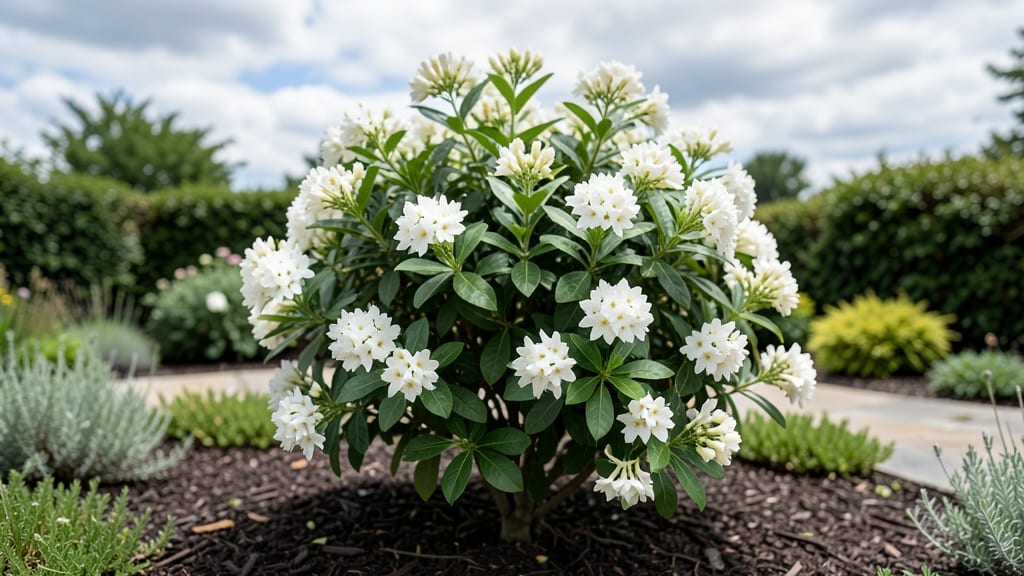
The mock orange bloom time is a garden mystery—these fragrant shrubs burst into creamy-white glory during the heat of late spring and summer, with their schedule shifting dramatically depending on your zone, variety, and even the last frost date.
If you’ve ever dreamed of fragrant, creamy-white blooms lighting up your garden, timing the mock orange bloom time is key—because these heat-loving shrubs refuse to play by the rules of traditional spring flowers.
In USDA Zone 6, expect the 🌸 to burst open in June, while Southern gardeners might see them as early as April. The secret? These shrubs wait for consistent warmth, so a late frost can delay blooms by weeks.
Below, I’ll break down the exact months for your region, how to coax earlier blooms, and the 5 varieties that defy the norm with their unique timing.
When mock orange blooms: exact months by USDA hardiness zones
Timing your mock orange (Philadelphus) blooms means understanding how heat triggers and USDA zones create dramatic shifts in bloom windows. Unlike spring bulbs, these shrubs wait for consistent warmth—often delaying blooms until late May or June in cooler zones.
But in Southern California, you might catch fragrant blossoms as early as March!
Regional variations matter too. A Pacific Northwest mock orange may bloom in June-July after late frosts pass, while Deep South varieties might stretch blooms into August with proper care. Let’s break down the exact months by zone so you can plan your garden’s fragrant highlights.
🌱 Key Insight: Mock orange blooms require 50°F+ soil temps for 2+ weeks. Late frosts (28°F) can delay or damage buds—always monitor your local frost dates.
In USDA Zone 5, where late frosts linger until May 15, your mock orange likely won’t bloom until late May or June. Plant in south-facing beds to capture extra warmth and protect buds with burlap wraps if frost warnings appear.
I’ve seen Philadelphus 'Manteau d’Hermine' in Zone 5 gardens push blooms to July with afternoon shade.
Zone 7 gardeners enjoy the sweetest timing—May-June blooms align perfectly with hummingbird migration. The Appalachian Mountains can delay blooms by 2 weeks due to cooler nights, while Tennessee Valley varieties often bloom 10 days earlier thanks to warmer soils.
Always check your microclimate: Urban heat islands may trigger blooms 3-5 days sooner than rural areas.
Top 5 mock orange varieties & their unique bloom timing
Mock orange shrubs (Philadelphus spp.) are famous for their intensely fragrant blooms, but not all varieties follow the same schedule. Some burst into bloom as early as late April, while others wait until mid-July.
Understanding these differences helps you choose the perfect cultivar for your seasonal fragrance goals—whether you want spring splendor or summer-long displays.
The key to timing mock orange blooms lies in their heat requirements and genetic triggers. Some varieties need warm soil to wake up, while others respond to day length.
Below, I’ve compared the top 5 cultivars based on their bloom windows, fragrance strength, and whether they’ll reward you with a second flush of flowers later in the season.
Mock Orange Bloom Time Comparison
- ✅ Philadelphus 'Aureus' – Golden foliage + April blooms
- ✅ Philadelphus 'Manteau d’Hermine' – Variegated leaves, late April
- ✅ Philadelphus 'Virginalis' – Double blooms, early May
Best for spring fragrance lovers; may rebloom lightly in June.
- ✅ Philadelphus coronarius – Classic June peak, strongest fragrance
- ✅ Philadelphus 'Duchesse de Nemours' – Compact habit, June-July
- ✅ Philadelphus 'Belle Etoile' – Star-shaped blooms, June rebloom
Ideal for summer weddings or cutting gardens; prune after blooming.
- ✅ Philadelphus inodorus – Weak fragrance, July heat-lovers
- ✅ Philadelphus 'Minnesota Snowflake' – Dwarf variety, late July
- ✅ Philadelphus 'Walt Whitman' – Dark foliage, extended blooms
Perfect for hot climates (Zones 7-9); often no rebloom.
- 🌸 Strongest scent: P. coronarius, 'Virginalis'
- 🌸 Rebloomers: 'Belle Etoile', 'Aureus'
- 🌸 Weakest scent: P. inodorus, 'Minnesota Snowflake'
Tip: Deadhead spent blooms to encourage reblooming in June-July varieties!
If you’re planning a fragrance garden, I recommend pairing an early bloomer like 'Aureus' with a mid-season star such as Philadelphus coronarius. This ensures you enjoy their citrusy-orange scent from April through July. For drought-prone areas, late bloomers like Philadelphus inodorus thrive with minimal water once established.
Pro tip: Prune after blooming to shape your shrubs and encourage next year’s flowers. For example, if you prune P. coronarius in August, you’ll miss its June rebloom potential. Timing matters!
Want to extend your mock orange’s bloom season? Try planting near heat-reflective surfaces (like gravel) or in morning sun with afternoon shade. This small tweak can push blooms 2-3 weeks earlier in cooler zones.
Which variety will you try first? My personal favorite is Philadelphus 'Virginalis'—its double blooms and early May timing make it a showstopper. Just be prepared for the intense fragrance that fills the air on warm evenings!