
Blooming
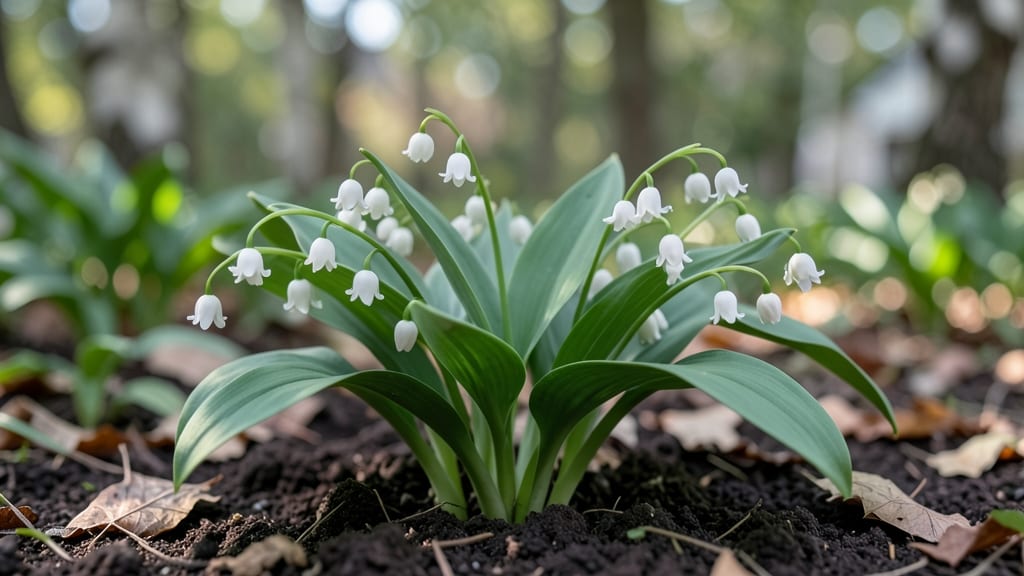
The lily of the valley bloom time depends on your hardiness zone, but most gardeners in Zone 6a can expect those sweetly fragrant bells 🌸 to appear in late April or early May—just as spring really starts to sing.
If you’ve ever waited impatiently for those delicate white clusters to emerge, only to miss them by a week, you’re not alone. Bloom timing shifts dramatically from cooler northern climates (where flowers may appear as early as March) to warmer southern regions (where they might linger until June).
What you might not realize is that sunlight, soil moisture, and even last winter’s dormancy play a bigger role than you’d think. A little adjustment in care can push your blooms earlier—or extend their season by weeks.
Below, I’ll break down the exact bloom windows by zone, share the care tweaks that make a difference, and reveal the one mistake that cuts flowering short every year.
Lily of the valley bloom time by USDA hardiness zones
Timing your garden’s lily of the valley blooms depends heavily on where you live—specifically, your USDA hardiness zone.
In colder Zone 3-5, these fragrant beauties often bloom as early as late April to early May, while Zone 7-8 gardeners may enjoy late spring blooms stretching into June. The key difference?
Northern climates trigger blooms with warmer spring temperatures, while Southern zones often experience prolonged flowering due to milder winters.
Understanding these bloom windows helps you plan for optimal fragrance and garden design. For example, planting early bloomers in Zone 4-5 ensures you catch that sweet scent before summer heat arrives.
Meanwhile, late-season varieties in Zone 7-8 can extend your garden’s perfume well into late spring. Let’s break down exactly what to expect in each zone.
🌱 Key Takeaway: Lily of the valley blooms earlier in cooler zones (April-May) and later in warmer zones (May-June), with some Southern varieties reblooming in fall.
| USDA Zone | Typical Bloom Window | Climate Notes | Adjustments for Early/Late Blooms |
|---|---|---|---|
| Zone 3-4 | Late April to early May | Short growing season; blooms triggered by consistent 50°F+ temps | Plant in partial shade to delay summer stress |
| Zone 5 | Early to mid-May | Moderate climate; blooms align with last frost dates | Mulch heavily in fall for next year’s early blooms |
| Zone 6 | Mid-May to early June | Balanced seasons; reliable blooms with proper care | Avoid over-fertilizing to prevent leafy growth over flowers |
| Zone 7 | Late May to June | Warmer winters; some varieties bloom twice (spring/fall) | Prune spent blooms to encourage reblooming |
| Zone 8 | June (sometimes fall rebloom) | Mild winters; extended growing season | Provide afternoon shade to prevent heat stress |
In Zone 3-4, where winters are harsh, lily of the valley often emerges as one of the first spring bloomers. These early flowers signal that soil temperatures have reached a consistent 50°F, making them a reliable indicator for gardeners eager to kickstart their season.
The trade-off? Shorter bloom windows—typically just 2-3 weeks—before summer heat sets in.
Gardeners in Zone 5-6 enjoy a sweet spot for lily of the valley blooms, with flowers appearing in mid-to-late May. This timing aligns perfectly with last frost dates in most regions, giving you a 3-4 week window of fragrant blooms.
To maximize this period, focus on well-draining soil and partial shade, which helps prevent the foliage from burning in late spring.
For those in Zone 7-8, the story changes dramatically. Here, lily of the valley often blooms later—sometimes as late as June—and may even produce a second flush of flowers in fall.
The warmer climate allows for prolonged growth, but it also means you’ll need to protect plants from intense afternoon sun and water consistently to keep them thriving.
If you’re in a Southern zone (7-8) and notice your lily of the valley blooming later than expected, don’t panic—it’s likely adapting to your milder winters. However, if blooms arrive too early (March-April), your plant may be stressed from winter chill or over-fertilized.
Adjust by reducing nitrogen and ensuring proper mulching in fall.
One of my favorite tricks for Zone 4-5 gardeners is to plant lily of the valley near early-blooming bulbs, like daffodils or crocuses. This creates a sequential bloom effect, extending your garden’s fragrance and visual appeal from late April through June.
Pairing plants with complementary bloom times is a simple way to stretch your garden’s performance.
Regardless of your zone, always plant rhizomes in fall (September-October) for the strongest next-year blooms. This gives roots time to establish before winter, ensuring your lily of the valley is ready to burst into fragrance as soon as conditions allow.
With the right timing and care, you’ll enjoy those iconic bell-shaped flowers for weeks—no matter where you garden.
🌸 Pro Tip: Mark your calendar for late April in Zone 3-5 and early June in Zone 7-8 to catch peak bloom time—and set a reminder to prune spent flowers to encourage next year’s display!
How to extend lily of the valley bloom time with care
Lily of the valley thrives when you give it the right conditions, and with a few targeted adjustments, you can coax those fragrant white bells to bloom longer and more abundantly.
The key lies in mimicking its natural habitat—moist, acidic soil and gentle shade—while avoiding common pitfalls like overwatering or harsh sunlight. Let’s dive into the proven techniques that will transform your garden into a springtime perfume factory.
First, focus on soil pH levels. Lily of the valley adores acidic soil with a pH between 5.0 and 6.0. If your soil is alkaline, amend it with peat moss or sulfur in early fall to give roots a head start.
A simple soil test kit will reveal if your garden needs this adjustment—don’t skip this step, as alkaline soil can stunt blooms entirely. Pair this with a 2-3 inch layer of mulch to retain moisture and suppress weeds.
🌸 Top Tips to Extend Blooms
- 💧 Water deeply 2-3 times weekly in morning hours to avoid fungal stress.
- ✂️ Prune spent blooms but leave foliage until late summer for next year’s energy.
- 🌳 Provide afternoon shade in Zones 7-8 to prevent heat stress.
- 🌱 Divide clumps every 3-4 years to prevent overcrowding and boost vigor.
- 🌡️ Protect from winter winds in Zone 3-4 with a thick mulch layer.
Your watering schedule plays a crucial role too. While lily of the valley loves moisture, soggy roots will kill it faster than drought. Aim for 1-2 inches of water weekly, delivered in the early morning to let foliage dry before evening.
In Zones 7-8 with brutal summers, increase frequency to every 5-7 days and provide afternoon shade with a lightweight shade cloth (30-50%) to prevent leaf scorch. If your plants wilt midday, they’re begging for relief from the sun.
Pruning might seem counterintuitive, but strategic cuts can double your bloom time. After flowers fade, snip stems at the base—but here’s the secret: never remove the glossy leaves until they yellow in late summer.
These leaves photosynthesize all season, storing energy for next year’s blooms. If you’re in Zone 5 or colder, wait until late fall to tidy up, as early pruning can expose tender roots to frost.
For dormant foliage revival, don’t rush to clean up! In early spring, apply a light layer of compost over the soil and water gently. This jumpstarts microbial activity, which wakes up roots faster.
If your plants look leggy or sparse, divide them in early fall or spring—this rejuvenates growth and often triggers earlier, more abundant blooms. Just ensure each division has at least one healthy rhizome with roots attached.
Finally, resist the urge to fertilize heavily. Lily of the valley is a low-maintenance diva—too much nitrogen produces lush leaves but fewer flowers. Stick to a balanced 10-10-10 fertilizer in early spring, using just 1 tablespoon per plant.
In Zones 6-8, skip summer feeding entirely; the plant enters dormancy and needs rest to rebloom next year.