
Blooming
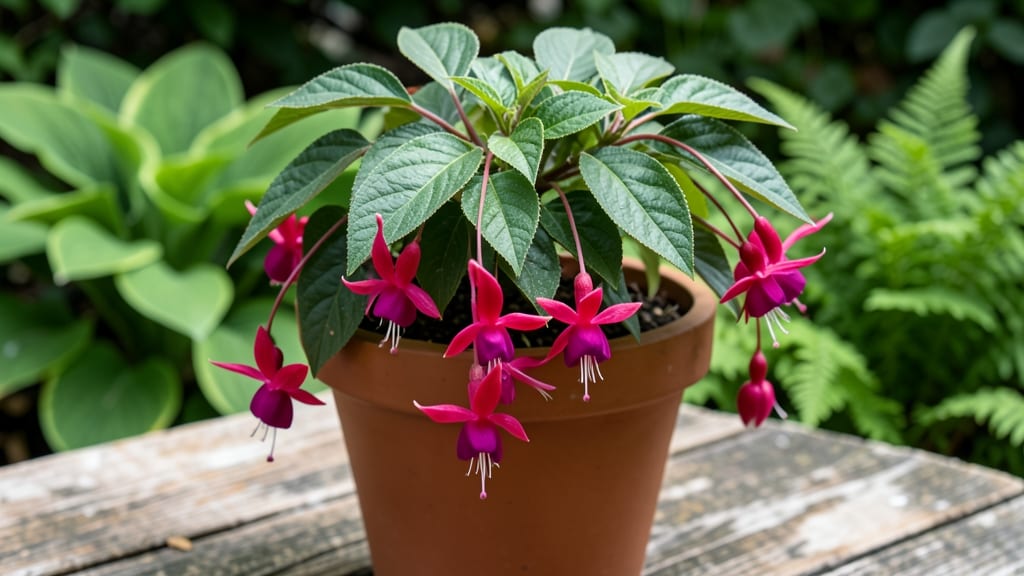
The fuchsia bloom time depends entirely on heat triggers, hardiness zones, and the variety you’re growing — and getting it wrong can mean waiting months for those 🌸 flowers.
Picture this: You’ve nurtured your fuchsias all spring, only to see buds form and then drop without opening. That’s a classic sign your plant is waiting for the right temperature cues — usually 60–75°F for most varieties.
In Zone 6a, that often means blooms arrive in late May or early June, while heat-loving types in Zone 10 may flower year-round.
But here’s the game-changer: cool-season fuchsias (like 'Giant Marble') bloom in spring and fall, while heat-triggered varieties (such as 'Lady Bo Peep') wait for summer’s warmth. Pruning at the right time or adjusting shade can shift bloom windows by weeks — and I’ll show you exactly how.
Below, you’ll find a heat-triggered variety chart by zone, plus 3 simple hacks to extend blooms into October. No more guessing when those 🌸 will arrive — just science-backed timing.
Fuchsia bloom time by heat requirements: when to expect flowers
Fuchsias are famous for their dramatic, hanging flowers, but their bloom time depends heavily on temperature triggers. Most varieties thrive in 60–75°F conditions, producing flowers when days warm up but nights stay cool. Understanding these heat requirements helps you predict when to expect vibrant blooms in your garden.
Cool-season fuchsias typically bloom in spring and fall, while heat-tolerant varieties may flower in summer months. The key is balancing warmth with moderate temperatures—too much heat can stress plants and delay flowering. Let’s break down the ideal bloom windows and how to encourage flowers year-round.
🌱 Did You Know? Some fuchsias, like 'Giant Marble', bloom year-round in Zone 10, while others, like 'Lady Bo Peep', need cooler spring/fall temperatures to trigger flowers.
| Variety Type | Bloom Season | Ideal Temp Range (°F) | Heat Tolerance | USDA Zones |
|---|---|---|---|---|
| Cool-Season | Spring/Fall | 60–70°F | Low | Zones 6–9 |
| Heat-Tolerant | Summer | 70–75°F | Moderate | Zones 8–11 |
| Year-Round | All Season | 65–75°F | High | Zones 10–11 |
| 'Giant Marble' | Spring–Fall | 60–75°F | Moderate | Zones 7–10 |
| 'Lady Bo Peep' | Spring/Fall | 60–70°F | Low | Zones 6–9 |
In cooler climates (Zones 6–8), fuchsias typically bloom from late spring to early fall, triggered by mild daytime temps and cooler nights. For example, in Zone 7, expect flowers from May to September if planted in partial shade.
If you live in warmer zones (Zones 9–11), your fuchsias may bloom year-round or at least through summer months. However, extreme heat above 85°F can cause buds to drop. Providing afternoon shade helps maintain blooms during peak summer.
For spring bloomers, like 'Lady Bo Peep', focus on planting in early spring after the last frost. These varieties need consistent moisture and balanced fertilizer to encourage early flowering. In contrast, summer-blooming types thrive with regular pruning to remove spent flowers and promote new growth.
One common mistake is assuming all fuchsias bloom at the same time. Heat-tolerant varieties like 'Becky' or 'Thalia' may flower in summer, while cooler-loving types like 'Tom Thumb' prefer spring/fall. Mixing varieties in your garden can extend your bloom season from April to October.
To encourage earlier blooms, start fuchsias indoors 8–10 weeks before your last frost date. This gives them a head start and ensures they’re ready to flower as soon as temperatures rise. For container growers, choose heat-tolerant varieties and place pots in dappled shade during hot afternoons.
If your fuchsias aren’t blooming, check their temperature exposure. Too much heat or cold can shock plants and delay flowering. A simple shade cloth or morning sun placement can make a big difference. Also, ensure they’re getting adequate phosphorus (the middle number in NPK) to support flower production.
With the right heat management and variety selection, you can enjoy fuchsia blooms for months. Whether you’re in a cool mountain climate or a hot desert zone, there’s a fuchsia variety that will thrive and flower beautifully in your garden. 🌷
Heat-triggered fuchsia varieties chart by USDA hardiness Zones
Fuchsias thrive when temperatures align with their heat preferences, but not all varieties bloom the same way. In warmer zones (8-10), some fuchsias flower year-round, while cooler zones (5-7) see shorter bloom windows tied to spring/fall.
Understanding these patterns helps you choose varieties that match your climate and extend your flowering season.
Below is a heat-triggered variety chart showing bloom windows by USDA zone. I’ve included temperature thresholds and hardiness limits to help you pick the perfect fuchsia for your garden.
For example, 'Lady Bo Peep' thrives in Zones 9-11 with year-round blooms, while 'Giant Marble' needs Zones 7-10 for spring-to-fall flowering.
| Variety | USDA Zones | Bloom Window | Heat Threshold (°F) | Hardiness Notes |
|---|---|---|---|---|
| 'Lady Bo Peep' | 9-11 | Year-round | 65-95°F | Heat-loving; avoid frost |
| 'Giant Marble' | 7-10 | April–October | 55-85°F | Tolerates brief cold snaps |
| 'Becky' | 8-11 | May–November | 60-90°F | Drought-tolerant once established |
| 'Tom Thumb' | 5-9 | June–September | 50-80°F | Compact; great for containers |
| 'Cloud in Soil' | 6-10 | March–November | 55-85°F | Long blooms with deadheading |
| 'Alice Hoffmann' | 7-10 | April–July | 50-75°F | Cool-season bloomer |
| 'Swing Time' | 8-11 | June–October | 65-90°F | Trailing habit; great for hanging baskets |
| 'Precious Gem' | 9-11 | Year-round | 68-95°F | Tropical; needs winter protection |
Notice how Zones 9-11 offer the longest bloom windows, while Zones 5-7 fuchsias rely on cooler temperatures to trigger flowers. If you’re in a transitional zone (e.g., Zone 8), opt for varieties like 'Becky' or 'Swing