
Blooming
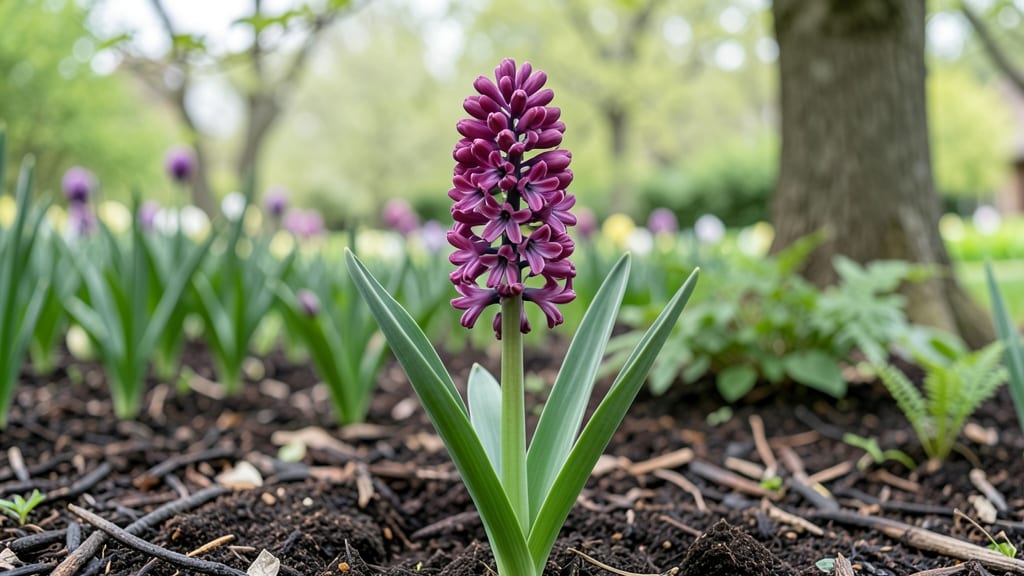
Hyacinths bloom at the perfect time—late winter to early spring—turning your garden into a fragrant masterpiece with their vibrant clusters of 🌷.
If you’ve ever wondered why your hyacinth bulbs refuse to bloom at the right time—or how to coax earlier (or later) flowers—this month-by-month guide will unlock the secrets tied to your hardiness zone.
Timing matters more than you might think. Planting in September or October ensures those sweet, intoxicating blooms arrive just as winter loosens its grip, but a late frost or skipped chilling period can push them back by weeks.
Whether you’re in Zone 6a or beyond, I’ll break down the exact months to expect blooms, how to adjust them for holidays or festivals, and the simple fixes that keep your hyacinths on schedule.
Ready to transform your yard into a springtime showstopper? Let’s dive into the science—and secrets—behind predictable, stunning hyacinth blooms.
When do hyacinths bloom by hardiness Zone? Exact months revealed
Hyacinths are one of the most anticipated spring flowers, but their bloom time varies dramatically by USDA hardiness zone and variety.
In colder zones like Zone 3-5, expect fragrant blooms as early as late March, while warmer Zone 9-10 gardeners may see flowers in January or February. Understanding these monthly bloom windows helps you plan for vibrant displays and avoid disappointment.
The key to predicting hyacinth bloom time lies in chilling requirements and local frost dates. Most varieties need 12-16 weeks of cold temperatures (below 50°F) to trigger flowering. Planting bulbs at the right depth and time—typically 6 weeks before frost—ensures they'll bloom when you expect.
Let's break down the exact months for each zone, including early vs. late varieties.
Here’s a quick reference for outdoor bloom times by zone, with notes on how climate affects timing:
| USDA Zone | Early Varieties | Standard Varieties | Late Varieties | Notes |
|---|---|---|---|---|
| Zone 3-4 | Late March | April | Early May | Cold winters delay blooms; plant bulbs in October. |
| Zone 5-6 | Early April | Mid-April | Late April | Ideal for spring festivals; plant in September. |
| Zone 7-8 | February | March | Early April | Milder winters; plant in November for winter blooms. |
| Zone 9-10 | January | February | March | Plant in October; may need chilling treatment. |
For gardeners in Zones 3-4, hyacinths often bloom in late March to early May, depending on the variety. 'Annette' and 'Blue Jacket' are early bloomers, while 'Woodstock' and 'Delft Blue' tend to flower later.
In these colder climates, snow cover can protect bulbs and even enhance flowering by providing consistent cold.
In Zones 5-6, the bloom window shifts to April, making hyacinths perfect for Easter displays. Varieties like 'Pink Pearl' and 'City of Haarlem' thrive here.
If you're in Zone 5, planting bulbs in September ensures they’ll bloom by mid-April, while Zone 6 gardeners can push blooms to late April with proper timing.
Warmer zones like 7-8 offer a winter-to-early-spring bloom window, with flowers often appearing as early as February. 'Jan Bos' and 'L’Innocence' are popular choices for these regions.
Here, milder winters may require chilling if you want reliable blooms. Plant in November for the best results, and consider mulching to protect bulbs from temperature fluctuations.
Gardeners in Zones 9-10 enjoy the earliest blooms, often in January or February. Varieties like 'Blue Giant' and 'Lady Derby' perform well here. However, lack of chilling hours can delay or prevent blooming.
If your winter temperatures stay above 50°F for too long, you may need to force bulbs indoors or use a refrigerator chilling method.
Forced indoor blooms follow a different timeline. If you want hyacinths to bloom by Valentine’s Day or another specific date, start chilling bulbs in late September or early October.
After 10-12 weeks of chilling, plant them in pots with well-draining soil and place them in a cool, dark location (like a garage) for another 4-6 weeks. Once flower stalks emerge, move pots to bright, indirect light to encourage blooming.
Climate plays a huge role in bloom timing. For example, a mild winter in Zone 6 might push blooms to March, while a harsh winter could delay them until May.
Similarly, drought stress or excessive rain can impact flowering. Always monitor soil moisture and avoid overwatering, which can lead to bulb rot and missed blooms.
Pro tip: Keep a gardening journal to track bloom times in your specific microclimate. Note when you planted, local frost dates, and any unusual weather patterns. Over time, you’ll refine
How to adjust hyacinth bloom time: forcing, chilling, and planting hacks
Want your hyacinths to bloom for Valentine’s Day or delay their show until your spring festival? With the right forcing techniques and chilling schedules, you can shift bloom times by weeks—or even months.
The secret lies in understanding how temperature and light exposure trigger flowering in these fragrant bulbs.
Hyacinths naturally bloom in late winter to early spring, but their dormancy period is the key to manipulating timing. By controlling chilling hours (12–16 weeks at 35–45°F) and warmth exposure, you can coax blooms earlier or later than their natural schedule.
Let’s break down the exact steps for your USDA zone.
- Step 1: Select bulbs in August-September (larger bulbs = earlier blooms).
- Step 2: Chill bulbs for 8–12 weeks at 35–45°F (use fridge or cold basement).
- Step 3: Plant in pots with well-draining soil 6 weeks before desired bloom date.
- Step 4: Expose to warmth (65–70°F) to trigger flowering in 3–4 weeks.
- Step 5: Move to bright light (6+ hours/day) to prevent leggy stems.
For Zone 5–7 gardeners, aim to plant outdoor bulbs in October for March–April blooms. To delay blooms, plant later in November—the colder winter will slow growth. In Zones 8–10, where winters are mild, forcing indoors is your best bet for holiday timing.
Pro tip: Use grow lights if natural light is limited during forcing. Hyacinths need 12–14 hours of light daily to avoid stunted blooms. After blooming, let foliage yellow naturally—this recharges the bulb for next year’s earlier blooms.
Need a Valentine’s Day display? Start chilling bulbs in early December and plant by January 1st. For spring festivals, chill in late January and plant by March 1st. The earlier you chill, the sooner they’ll bloom—but don’t rush it!
Remember, patience is key. Hyacinths are delicate—skip the chilling step, and you’ll end up with no blooms. Follow these hacks, and you’ll have fragrant, on-time hyacinths every season. Happy forcing! 🌷