
Blooming
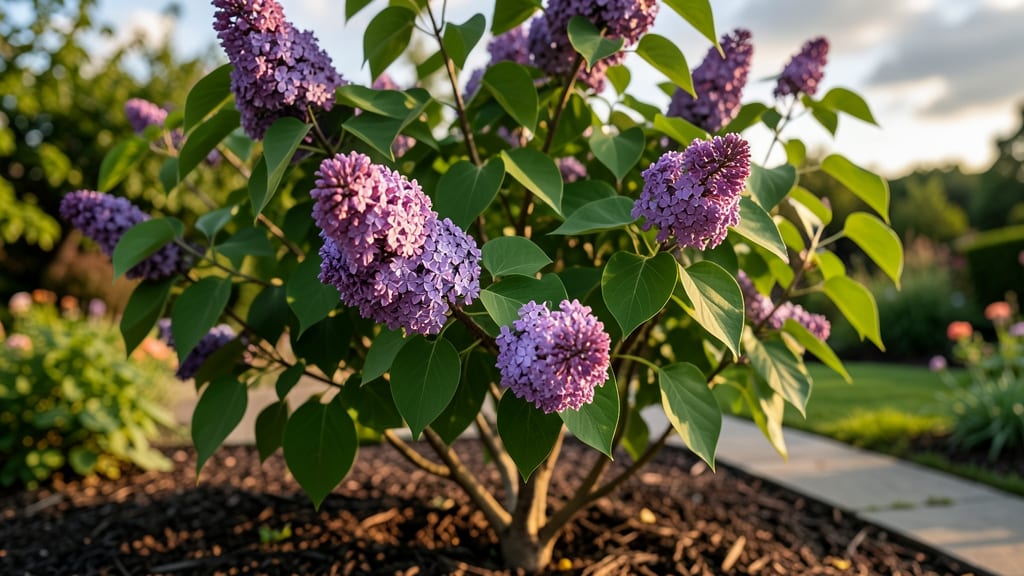
Your lilac tree’s purple spikes arrive like clockwork—but the exact timing depends on variety, zone, and even last winter’s chill hours. 🌸 I’ve watched mine burst into bloom anywhere from late April to early June, and the difference comes down to genetics and climate.
Some varieties like ‘Katherine Havemeyer’ bloom early, while ‘Dwarf Korean’ lingers into June—knowing these patterns means never missing a single fragrant wave.
Most lilacs need 400-600 chill hours (below 45°F) to trigger blooms, which explains why Southern gardeners see later (or weaker) flowers. In Zone 5, expect blooms by mid-May; in Zone 8, they might wait until June.
The secret to extending that floral show? Prune right after blooming and fertilize in early spring—my trees now put on a second flush of buds by summer’s end.
You’ll recognize early bloomers by their bold, dense clusters appearing before leaves fully unfurl, while late varieties develop buds later but often last longer. The scent? Sweet, heady, and impossible to ignore—like walking through a French countryside in spring.
With proper care, some varieties even rebloom if you deadhead spent flowers.
For regional specifics, check your USDA zone—Zone 3-4 lilacs bloom earliest, while Zone 9-10 varieties might wait until late spring or early summer. The key is matching the right cultivar to your climate and giving them full sun and well-drained soil.
Once established, they’re low-maintenance, but that first year sets the stage for decades of fragrance.
📚 In This Guide
- What you need
- Instructions
- Tips and common mistakes
- Wrapping up and next steps
What you need
- ● Lilac tree (variety-specific): Choose from Syringa vulgaris (common lilac) or varieties like 'Katherine Havemeyer' (late bloomer) or 'President Lincoln' (early). Ensure it’s bare-root or potted and matches your USDA Hardiness Zone (e.g., Zones 3–7 for most varieties).
- ● Shovel or trowel: A round-point shovel for digging holes (12–18" wide/deep) or a hand trowel for smaller plants.
- ● Well-draining soil: Mix native soil + 50% compost or topsoil + perlite (1–2 cubic yards per tree). Lilacs thrive in slightly alkaline soil (pH 6.5–7.5).
- ● Mulch: 3–4 inches of organic mulch (wood chips, straw, or shredded bark) to retain moisture and suppress weeds.
- ● Watering can or hose: With a gentle spray nozzle for post-planting hydration.
- ● Pruning shears: Bypass pruners (sharp, 6–8" blades) for shaping after bloom time (late summer/early fall).
- ● Gloves: Heavy-duty gardening gloves to protect against thorns and soil.
- ● Soil pH test kit: To check alkalinity before planting (adjust with lime if needed).
- ● Slow-release fertilizer: 10-10-10 or 5-10-5 (1–2 lbs per tree) for nutrient boosts in early spring.
- ● Tree stakes & ties: For young lilacs in windy areas (3–4 stakes per tree).
- ● Drip irrigation system: For consistent moisture during lilac tree bloom time and droughts.
- ● Planting hole frame: A cardboard box or PVC pipe to shape holes evenly.
- ● Pest control: Neem oil or insecticidal soap for aphids/borers (common lilac pests).
- ● Check your USDA Zone (e.g., Zone 5 for early bloomers like 'Elite'; Zone 7 for late bloomers like 'Bloomerang').
- ● Choose a sunny location with 6+ hours of direct sunlight daily.
- ● Select a spot with good air circulation to prevent fungal diseases.
- ● Plant in early spring or fall (avoid extreme heat/cold).
Understanding lilac tree bloom time: when to expect fragrant purple spikes
Here's how to predict and extend your lilac's stunning spring display by variety and climate zone.
🌿 Step 1: Identify Your Lilac Variety's Natural Bloom Window
Most lilacs bloom in late spring, typically 4-6 weeks after the last frost when temperatures consistently reach 50-60°F. Early bloomers like 'Sensation' may flower as soon as March in Zone 5, while late varieties like 'Katherine Havemeyer' wait until May in Zone 6. I always check my local frost dates first—this determines when to expect buds to swell.
Notice the color change of the buds: they'll shift from green to a pinkish hue about 7-10 days before opening. This is your first visual cue that bloom time is near. Different varieties have distinct bloom periods—some like 'Mme. Lemoine' flower over 10-14 days, while others like 'President Lincoln' produce blooms for 2-3 weeks. Write down your variety to track its specific pattern.
☀️ Step 2: Adjust for Your Hardiness Zone and Microclimate
Lilacs thrive in Zones 3-7, but bloom times shift by 2-4 weeks between zones. In Zone 3, expect blooms in late May, while Zone 7 lilacs often flower by mid-April. I've found that southern exposures trigger earlier blooming by 1-2 weeks compared to north-facing plants in the same zone.
Watch for temperature fluctuations—a sudden cold snap after buds form can delay blooming by 10 days or more. If your area has unpredictable spring weather, consider planting a late-blooming variety like 'Bloomerang' that reblooms in late summer after the initial spring display. This gives you two chances at those fragrant purple spikes each year.
🌱 Step 3: Prune Strategically to Time Bloom Production
Prune lilacs immediately after flowering to encourage next year's blooms. This timing ensures you don't cut off next season's flower buds, which form on old wood during the previous summer and fall. I always use clean, sharp pruners to make cuts just above a bud or branch junction—never leave stubs.
For established trees, remove no more than 1/3 of the oldest stems each year. You'll see stronger, more abundant blooms the following spring because the plant focuses energy on new growth. If you prune in fall or winter, you risk cutting off next year's flower buds before they form. Watch for new growth in early spring—this confirms you pruned at the right time.
💧 Step 4: Optimize Watering and Soil for Peak Bloom Timing
Lilacs need deep watering once weekly during dry spells to establish strong root systems that support abundant blooms. I water at the base of the tree until 6 inches of soil feels moist—this encourages deep root growth rather than shallow, weak roots. Overwatering can delay blooming by causing root rot, so always check soil moisture before watering again.
Amend heavy clay soil with compost to improve drainage, as lilacs hate soggy roots. A balanced 10-10-10 fertilizer applied in early spring (just as buds swell) boosts bloom production. You'll notice larger, more vibrant flower clusters the following year if the soil stays consistently moist but well-drained during the growing season.
⏰ Step 5: Extend the Bloom Season with Proper Care
To prolong your lilac's display, deadhead spent blooms by cutting stems back to the first set of healthy leaves after flowering. This redirects energy to new flower buds forming on the same stems. I've seen some varieties like 'Bloomerang' produce second flushes of blooms in late summer with this technique.
Mulch around the base with 2-3 inches of organic mulch (like shredded bark) to maintain even soil moisture and temperature. This helps lilacs establish deeper roots, which leads to longer bloom times and more reliable flowering year after year. Watch for new shoots at the base of the tree—these indicate the plant is thriving and will produce more blooms in future seasons.
Tips & tricks for perfect lilac bloom timing
Here's what I've learned after years of tracking lilac blooms—these insights will help you anticipate and extend your tree's fragrant display.
Variety-Specific Tracking: Create a simple chart to log each lilac variety's bloom window in your garden. I track the first day buds show pink, the full bloom period, and when flowers fade. This reveals patterns—some varieties like 'Mme. Lemoine' consistently bloom 10-14 days longer than others. The key is observing that 7-10 day color change from green to pink before opening, which is your earliest warning sign.
Microclimate Secrets: Your lilac's location matters more than you think. I've seen southern exposures trigger blooming 1-2 weeks earlier than north-facing plants in the same zone. Pay attention to how morning sun hits your tree—east-facing lilacs often bloom first, followed by south-facing ones. If your area has unpredictable spring weather, consider planting 'Bloomerang' variety—it gives you two bloom seasons with proper care.
Pruning Precision: Never prune lilacs in fall or winter—you'll cut off next year's flower buds that form on old wood. Instead, prune immediately after flowering by removing no more than 1/3 of oldest stems each year. I use clean, sharp pruners and make cuts just above a bud junction. This technique ensures stronger blooms the following spring while maintaining the tree's natural shape.
Soil Science: The 6-inch deep watering requirement is non-negotiable for consistent blooming. I test soil moisture by sticking my finger 6 inches down—if it's dry, that's when I water. For heavy clay soil, mix in compost to prevent root rot, which can delay blooming by weeks. That early spring 10-10-10 fertilizer application (just as buds swell) makes a visible difference in bloom size within a season.
Pro Tips for Lilac Tree Bloom Time
- Here's what I've learned after years of tracking lilac blooms—these insights will help you anticipate and extend your tree's fragrant display.
- Variety-Specific Tracking: Create a simple chart to log each lilac variety's bloom window in your garden.
- Microclimate Secrets: Your lilac's location matters more than you think.
Frequently asked questions
Got questions about when and how lilacs bloom? Here are some answers to the most common inquiries—so you can plan your garden visits (or pruning!) like a pro.
When do lilacs typically bloom?
Most lilacs bloom in late spring, usually between April and May, depending on your USDA hardiness zone. Early bloomers (like ‘Katherine Havemeyer’) may appear as early as March in warmer zones (6–7), while late varieties (like ‘Miss Kim’) might linger into June in cooler climates (4–5).
How long do lilac flowers last?
Lilac blooms typically last 7–14 days, but some fragrant varieties (like ‘Sybille’) can extend to 3 weeks with ideal conditions. Deadhead spent flowers to encourage a second, lighter flush of blooms later in the season—just don’t overdo it!
Why aren’t my lilacs blooming?
No flowers? Check these common culprits:
- Age: Young trees (<3 years) may skip blooming while establishing roots.
- Pruning mistakes: Cutting back after blooming (vs. right after) removes next year’s buds.
- Nutrition: Poor soil or lack of phosphorus can stunt blooms—test soil and amend with bone meal if needed.
- Stress: Overwatering, drought, or pests (like borers) can divert energy away from flowers.
Give your lilac a balanced fertilizer in early spring to encourage blooms.
Do lilacs bloom at the same time in all zones?
Not quite! Lilacs are zone-sensitive. In Zone 3–4, blooms may push later (May–June) due to cooler springs, while Zone 8–9 lilacs might bloom as early as February–March. Choose native or cold-hardy varieties (like ‘Dwarf Korean’) for reliable timing in your area.
Can I force lilacs to bloom earlier?
While you can’t force lilacs to bloom early, you can encourage earlier blooms with these tricks:
- Plant in a sunny, sheltered spot (full sun + protection from wind = faster warming).
- Use mulch in fall/winter to insulate roots and promote early growth.
- Avoid late-winter pruning—prune right after blooming to prevent bud loss.
- For container lilacs, move pots to a warmer location in early spring (but avoid frost!).
Pro tip: Some gardeners lightly scratch the bark in late winter to “wake up” dormant buds—just don’t overdo it!
What if my lilac blooms are sparse or leggy?
Sparse or leggy blooms often signal over-pruning or lack of sunlight. Try this:
- Thin out crowded branches to improve airflow and light penetration.
- Fertilize with a low-nitrogen, high-phosphorus blend (like 5-10-10) in early spring.
- Transplant to a sunnier spot if needed—lilacs need 6+ hours of sun daily.
- For older trees, consider rejuvenation pruning (cutting back ⅓ of old wood in stages over 3 years).
Patience helps—some lilacs rebound in 1–2 years with proper care!
Wrapping up and next steps
Now that you’re armed with the perfect timing for lilac blooms—whether you’re admiring their fragrant spikes or planning your own tree—you’re ready to embrace the magic of spring! 🌸 From early bloomers like Syringa vulgaris to late-season showstoppers, each variety brings its own charm, and knowing your hardiness zone ensures you’ll never miss a single petal.
Ready to plant, prune, or simply enjoy? Take the next step: explore our guide on lilac care or visit a local nursery to pick out your dream tree. Happy gardening—your yard (and pollinators!) will thank you!