
Blooming
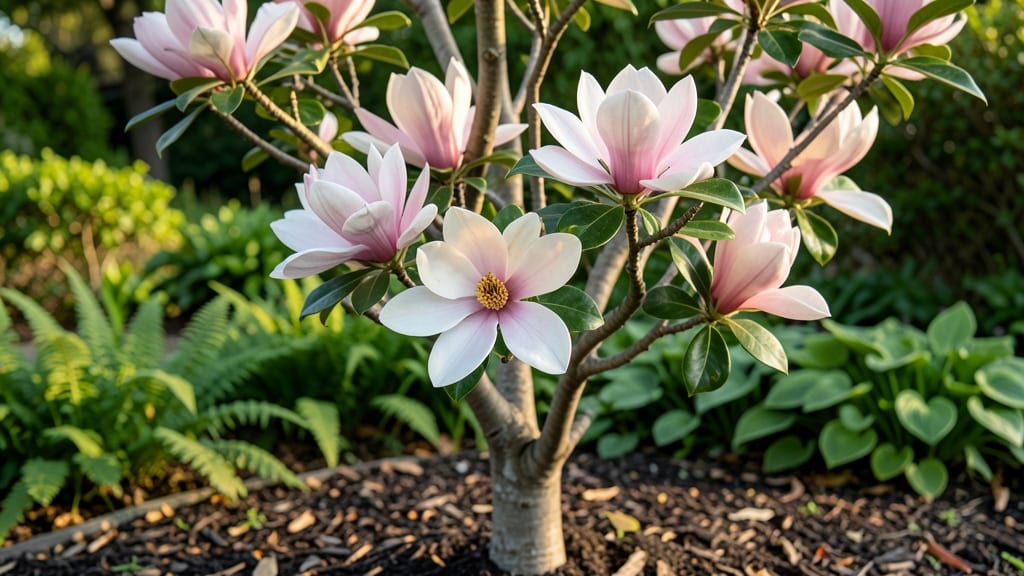
Magnolia trees bloom in late winter to early spring, turning your yard into a fragrant, floral masterpiece 🌸—but the exact timing depends on the variety and your climate.
Picture this: your first glimpse of creamy white or deep pink blooms peeking through the bare branches, signaling that winter’s finally over. Yet, some magnolias bloom earlier, while others wait until late spring, and a few even flower in summer.
This variety in bloom time is what makes them so special—and so worth planning for.
In USDA Zone 6a, where many gardeners live, most magnolias bloom between late March and early May, but Southern magnolias might linger into June. Meanwhile, star magnolias often burst into color as early as February, while saucer magnolias prefer the warmth of April or May.
Knowing these differences helps you choose the right variety for your garden and set your expectations.
In this guide, I’ll break down the bloom times by popular magnolia types, share how your hardiness zone shifts those timelines, and give you pro tips to encourage the earliest and most abundant blooms—so you can enjoy your magnolia’s showstopping display year after year.
When do magnolia trees bloom? Variety-specific bloom times explained
Magnolia trees are famous for their stunning, fragrant blooms, but their bloom times vary dramatically by variety. Some burst into flower as early as late winter, while others wait until late summer. Knowing your magnolia's type helps you plan for seasonal color and adjust care accordingly.
The Southern magnolia (Magnolia grandiflora) is the most iconic, with white, cup-shaped blooms that appear in late spring to early summer. Meanwhile, star magnolias (Magnolia stellata) are early bloomers, often flowering in late winter or early spring—sometimes even before leaves emerge!
To help you visualize the differences, here’s a quick reference for the most popular magnolia varieties and their typical bloom windows:
| Variety | Bloom Time | Key Features | Notes |
|---|---|---|---|
| Southern Magnolia | Late spring to early summer | Large, fragrant white blooms; evergreen | Best for warm climates (Zones 7-10) |
| Star Magnolia | Late winter to early spring | Star-shaped pink/white flowers; deciduous | Cold-hardy (Zones 4-9); blooms before leaves |
| Saucer Magnolia | Early to mid-spring | Large, saucer-shaped pink/purple blooms | Popular for early color (Zones 5-9) |
| Cucumbertree Magnolia | Mid to late spring | Creamy-white, tulip-shaped flowers; deciduous | Native to North America (Zones 4-8) |
| Yulan Magnolia | Early spring | Pure white, fragrant blooms; compact size | Great for small gardens (Zones 6-9) |
| Lily Magnolia | Late spring | Large, fragrant white blooms; lily-like shape | Slow-growing; needs patience (Zones 5-9) |
Did you know that star magnolias often bloom in February or March, making them a standout in early spring gardens? Their delicate, star-shaped flowers can even appear when snow is still on the ground in colder regions.
If you’re in a warmer climate (Zones 8-10), Southern magnolias will likely bloom in May or June, while saucer magnolias in cooler zones (Zones 5-7) may flower as early as April. Pay attention to your local frost dates—late frosts can damage early blooming varieties like star magnolias.
Some magnolias, like the Lily Magnolia, bloom later in the season (late spring) and may produce fewer flowers if stressed. To encourage healthy blooms, ensure your tree gets well-draining soil and partial shade, especially in hot afternoons.
Pro tip: Prune magnolias immediately after blooming to avoid cutting off next year’s flower buds. This timing works for most varieties, but star magnolias are an exception—they set buds in the previous summer, so prune right after flowering to preserve next year’s blooms.
For gardeners in Zones 4-5, consider cucumbertree magnolias or Yulan magnolias for reliable early blooms. These varieties are more cold-tolerant and can handle late spring frosts better than Southern magnolias.
Planning your garden around magnolia bloom times? Pair early bloomers like star magnolias with daffodils or hellebores for a sequential spring display. Late bloomers like Southern magnolias complement summer perennials like hydrangeas or roses.
Remember, bloom times can shift slightly based on microclimates and tree maturity. Young magnolias may take 3-5 years to produce flowers, while mature trees often bloom more prolifically. Patience and proper care pay off with years of show-stopping color!
How hardiness Zone affects magnolia bloom time (and how to adjust care)
Your magnolia tree's bloom time isn't set in stone—it shifts dramatically based on your USDA hardiness zone. In Zone 5, for example, star magnolias often bloom in late April, while in Zone 10, they may flower as early as February.
These differences happen because colder climates delay bud break until temperatures stabilize, while warmer zones trigger blooms sooner.
Even within the same zone, microclimates—like urban heat islands or sheltered valleys—can shift bloom timing by 2-4 weeks. For instance, a saucer magnolia in Zone 7 might bloom in March in a warm microclimate but wait until April in a cooler pocket.
Understanding these patterns helps you adjust care to encourage reliable blooms every year.
🌱 Key Factors by Zone
- 📍 Zone 5-6: Cold hardiness delays blooms until late April-early May; protect buds with winter mulch (4-6 inches).
- 🌡️ Zone 7-8: Moderate chill triggers blooms in March-April; prune after flowering to avoid removing next year's buds.
- 🌴 Zone 9-10: Year-round growth can lead to February-March blooms; avoid heavy pruning in late winter.
- ❄️ All Zones: Late frost risk? Choose late-blooming varieties (e.g., 'Ann C. Fraser') for May-June flowers.
- 💧 Watering tip: Deep watering in fall (Zones 5-7) builds cold resistance for next year's buds.
In northern climates (Zones 5-6), winter protection is critical. Wrap young trees in burlap and add mulch around the base to insulate roots. For established trees, focus on bud protectionlate winter if frost is forecasted. This can shift bloom time by 1-2 weeks earlier in subsequent years.
Southern gardeners in Zones 9-10 face different challenges, like bud blast from sudden cold snaps. To mitigate this, choose heat-tolerant varieties like 'Jane' or 'Bracken's Brown Beauty' and avoid over-fertilizing with nitrogen, which can make buds more vulnerable.
Instead, use a balanced 10-10-10 fertilizer in early spring to support gradual growth.
Adjusting light exposure can also fine-tune bloom time. In shadier zones (e.g., Zone 6 under dense canopy), magnolias may bloom 2 weeks later than those in full sun.
If your tree is underperforming, try thinning overhead branches to increase morning sunlight (4-6 hours). This mimics the conditions of warmer zones and can prompt earlier blooms.
For container-grown magnolias, zone adjustments are even more critical. Move pots to protected locations in Zones 5-6 during winter, and use heat mats in Zones 9-10 to prevent root shock from temperature swings.
Container soil dries out faster, so water deeply every 5-7 days during growing season to maintain consistent moisture.
By aligning your care routine with your hardiness zone, you can predict and encourage your magnolia's bloom time—whether you're dreaming of early spring blossoms or summer-long displays. Start with these adjustments, and you'll be rewarded with healthier blooms and longer flowering seasons. 🌸