
Blooming
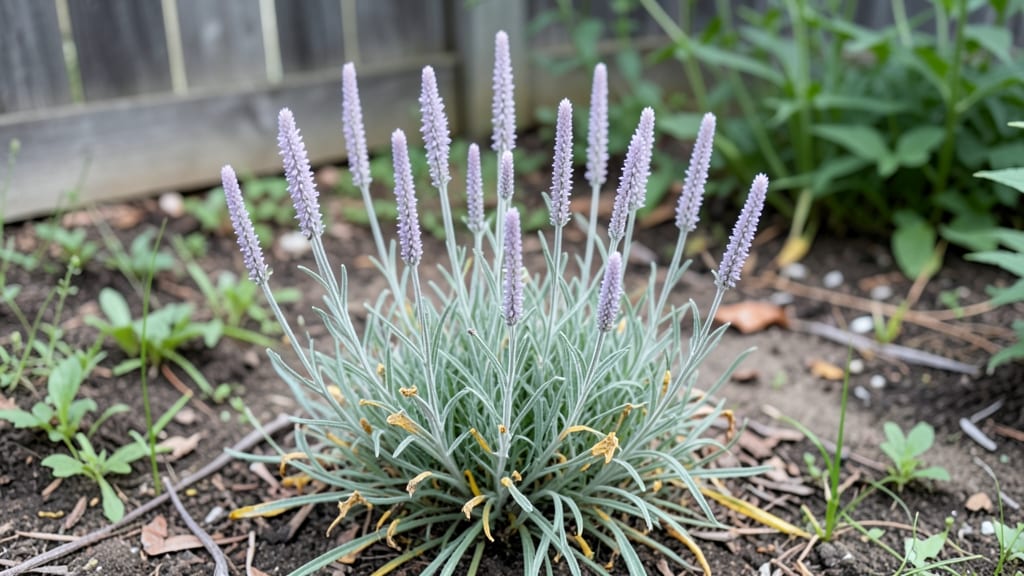
Liatris before bloom typically features upright, grass-like foliage with narrow, linear leaves that grow in clusters. Healthy stems should be sturdy and vibrant green, signaling strong root development and readiness for flowering season with proper care and sunlight exposure.
Before those iconic purple blooms appear, liatris behaves like a stealthy grass clump, with its sword-like leaves forming tight rosettes at the base.
These leaves aren't just decorative—their vibrant green hue and upright posture reveal the plant's internal strength, acting as a barometer for how well it's storing energy for the big flowering show. 🌱 When stems start to thicken and stand tall without flopping, you know you're on the right track for a spectacular display later in the season.
What's fascinating is how liatris adapts its growth based on conditions—too much shade or soggy soil will produce weak, yellowing stems that struggle to support blooms.
I've found that giving them well-draining soil and full sun during their early growth phase pays off dramatically when bloom time arrives, with stems that can actually support those heavy flower clusters without bending.
💡 In This Article
- Identifying Healthy Liatris Foliage Before Flowering
- Tips to Strengthen Liatris Stems for Better Blooms
Identifying healthy liatris foliage before flowering
The vibrant green leaves of liatris before flowering act like a plant health report card. Healthy foliage typically measures between 12-24 inches tall with leaves around 1/8-1/4 inch wide, growing in tight vertical clusters.
The leaves should feel firm to the touch with a slight waxy coating that helps prevent moisture loss—a natural adaptation to their native dry prairie environments. This waxiness also reflects sunlight, which helps maintain cooler leaf temperatures during hot summer days when energy storage is critical for bloom development.
Stem strength is directly tied to the plant's carbohydrate reserves, which are built through photosynthesis. When stems reach 1/4-1/2 inch in diameter and stand upright without leaning, they've developed sufficient structural support.
Look for stems that are hollow at the base—this indicates proper vascular development for transporting nutrients to future blooms.
The key factor here is the plant's ability to balance growth with energy storage, which is why you'll often see healthy liatris storing excess sugars in their roots during this pre-bloom phase.
Leaf color variations reveal important clues about plant health. True vibrant green indicates optimal chlorophyll production, while yellowing leaves (chlorosis) often signal nutrient deficiencies—particularly nitrogen or iron.
I've noticed that even slight purple tinges on the undersides of leaves can indicate phosphorus deficiency, which directly impacts root and stem development. 🌿 These color changes occur because the plant prioritizes essential functions over non-essential growth when nutrients are limited, which can weaken stems before flowering season.
Growth patterns also follow predictable seasonal rhythms. In early spring, you'll see rapid vertical growth as the plant focuses on establishing its above-ground structure. By late spring to early summer, the growth rate slows as energy shifts toward root development and stem thickening.
This transition is crucial—plants that continue rapid top growth without sufficient root development often produce weak stems that can't support the weight of future blooms.
Environmental factors create measurable differences in foliage health. Plants receiving 6-8 hours of direct sunlight daily develop stronger stems that can reach 3-4 feet tall, while those in partial shade often max out at 2 feet with thinner stems.
The difference comes from chlorophyll production rates—full sun plants can produce up to 30% more photosynthetic energy, which translates directly to stronger stems and larger bloom potential.
Moisture management plays a subtle but critical role. While liatris prefers well-draining soil, consistent moisture during the first 6-8 weeks of growth establishes strong root systems.
Too much water causes stems to become waterlogged and prone to fungal diseases like powdery mildew, while too little creates drought stress that stunts growth.
The ideal moisture level maintains soil at about 40-50% capacity, which is surprisingly dry to the touch—liatris evolved in prairie environments where drought resistance is a survival trait.
What most gardeners don't realize is how quickly stress symptoms appear. Even minor issues like 2-3 days of water stress can cause leaves to roll inward—a protective mechanism that reduces water loss.
This curling often appears first on the older leaves at the base, which the plant sacrifices to protect its growing points. Recognizing these early warning signs can prevent permanent damage to your plant's flowering potential.