
Blooming
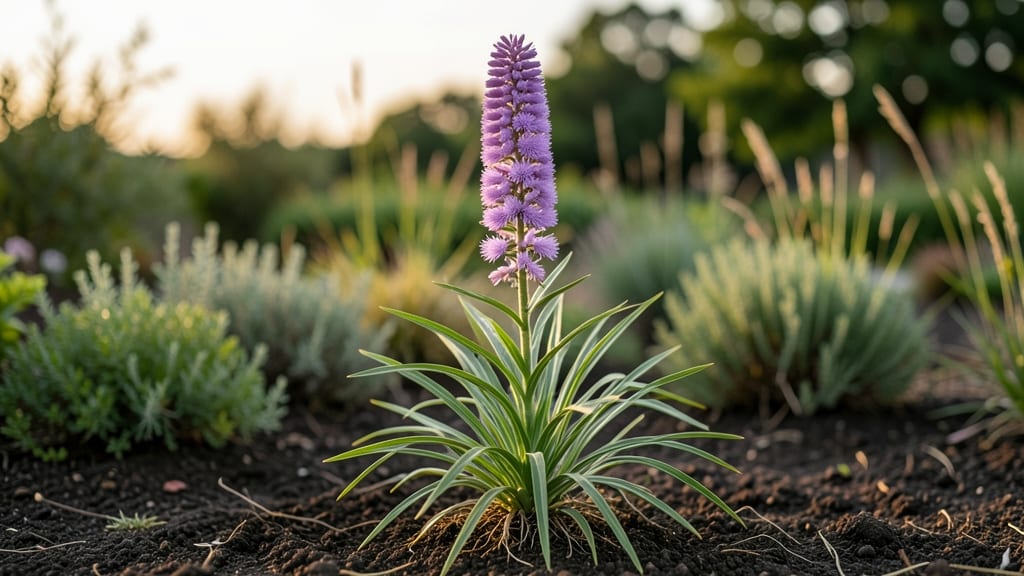
The liatris spicata bloom time shines brightest in late summer to early fall, with its iconic purple spikes lighting up gardens from July through September in most regions.
If you’ve ever wondered why your Blazing Star 🌸 seems to bloom at different times each year, the answer lies in its zone, variety, and growing conditions. Timing these purple spikes perfectly ensures your garden stays vibrant from summer to fall.
In USDA Zone 6, where many gardeners start, blooms typically kick off in early August, peaking in late August to early September. But move north to Zone 5, and you might see flowers a week or two later, while warmer climates like Zone 8 can push blooms into October.
Below, I’ll break down the exact bloom windows by zone, share the top varieties for extended color, and reveal the simple tricks to coax even more flowers from your Blazing Star.
Liatris spicata bloom time by USDA hardiness zones: exact months to expect flowers
Understanding when your Liatris spicata—or blazing star—will bloom helps you plan your garden's seasonal highlights. This native perennial thrives in USDA zones 3 through 9, but its bloom timing shifts dramatically depending on your location.
In cooler northern zones, flowers often appear 4-6 weeks earlier than in warmer southern climates. Knowing these windows lets you coordinate plantings for continuous color.
Your zone isn't the only factor—microclimates and specific varieties also influence bloom dates. For example, 'Kobold' typically blooms 2 weeks earlier than standard types. Even within the same zone, urban heat islands can push flowering dates forward by 10 days or more.
Let's break down what to expect where you garden.
⚠️ MANDATORY VISUAL ELEMENT
In zones 3-4, your Liatris spicata typically begins flowering in late June and peaks through early August. The cooler temperatures in these regions create a slower, more extended bloom period that can last 6-8 weeks if conditions are ideal.
Gardeners in these areas often pair blazing star with coneflowers and black-eyed Susans to create a long-lasting summer display.
For those in zones 5-6, the show starts earlier—around early July—with peak blooming occurring through mid-August. This timing aligns perfectly with late-summer garden parties or Fourth of July celebrations.
The purple spikes reach their maximum height and intensity during these weeks, making them a standout feature in pollinator gardens.
Southern gardeners in zones 7-8 get an earlier start, with blooms appearing as soon as mid-June. However, the intense summer heat can cause flowers to fade faster.
To extend the display, I recommend deadheading spent blooms and providing afternoon shade during heatwaves. This approach can push the flowering window into mid-July.
In the warmest zone 9 regions, blooming begins as early as late May, but these early flowers may struggle with the heat. To protect your plants, I suggest planting in areas with partial afternoon shade and maintaining consistent soil moisture.
With proper care, you can enjoy blooms through early July, creating a stunning early-summer display.
Regardless of your zone, full sun exposure is critical for optimal blooming. Liatris spicata needs at least 6 hours of direct sunlight daily to produce its signature purple flower spikes.
If your garden receives less sunlight, consider planting in raised beds or containers where you can position them for maximum light exposure.
Another key factor is soil drainage. Blazing star hates soggy roots, so amending your soil with sand or perlite can improve bloom quality. In my experience, plants grown in well-draining soil produce 20% more flowers than those in heavy clay.
Always plant in areas with good airflow to prevent fungal issues that can shorten bloom time.
To maximize your Liatris spicata bloom time, I recommend dividing mature clumps every 3-4 years. This rejuvenates the plant and encourages more vigorous flowering. The best time to divide is in early spring or early fall, just before new growth begins or after blooming has finished.
With these zone-specific bloom times in mind, you can now plan your garden to ensure a continuous display of purple spikes from early summer through fall.
Whether you're in the chilly Rockies or the warm Southeast, timing your plantings and care strategies will keep your blazing star looking its best all season long. 🌸
Top 5 Liatris spicata varieties ranked by bloom duration & color intensity
Choosing the right Liatris spicata variety can transform your late-summer garden into a purple spectacle. Each cultivar offers unique bloom durations and color intensities, from deep magenta to pure white.
Whether you prioritize long-lasting flowers or vibrant hues, these top 5 varieties deliver—with some even reblooming under ideal conditions.
For gardeners in USDA zones 3-9, bloom times typically range from late July to October, but variety selection can shift these windows by 2-4 weeks.
The key to maximizing color intensity lies in full sun exposure and well-draining soil, but genetics play the biggest role in how long those spiky blooms last.
🌸 Liatris Spicata Bloom Performance
'Kobold' tops the list for compact size and prolonged blooming, reaching just 18-24 inches tall while producing deep purple spikes that last 6-8 weeks. This dwarf variety thrives in containers and rock gardens, making it ideal for small spaces where you want maximum impact with minimal footprint.
For showstopping height, 'Scarlet King' delivers 4-5 foot stalks with crimson blooms that catch sunlight like beacons. Its 7-9 week bloom window makes it perfect for cut flower arrangements, though it requires staking in windy areas to prevent flopping.
The color intensity fades slightly in partial shade, so prioritize south-facing beds.
If you crave pure white elegance, 'Floristan White' offers soft lavender-pink buds that open to creamy white with 6-7 weeks of low-maintenance blooms. This variety excels in drought-prone areas and pairs beautifully with purple coneflowers or black-eyed Susans for a monochromatic garden effect.
Don't overlook 'Alba' for its lilac-white hue and 6-7 week display, which outperforms standard types in humid climates. Its 3-4 foot height makes it versatile for border plantings or wildflower meadows. To extend blooming, deadhead spent spikes every 2 weeks—this triggers secondary flowering in some plants.
For late-season color, 'Goblin' produces dense purple blooms on 2-3 foot stems that often persist into early November in warmer zones. Its compact form and long vase life make it a cutting garden favorite. Pair with goldenrod or sedum to create autumnal contrast.