
Blooming
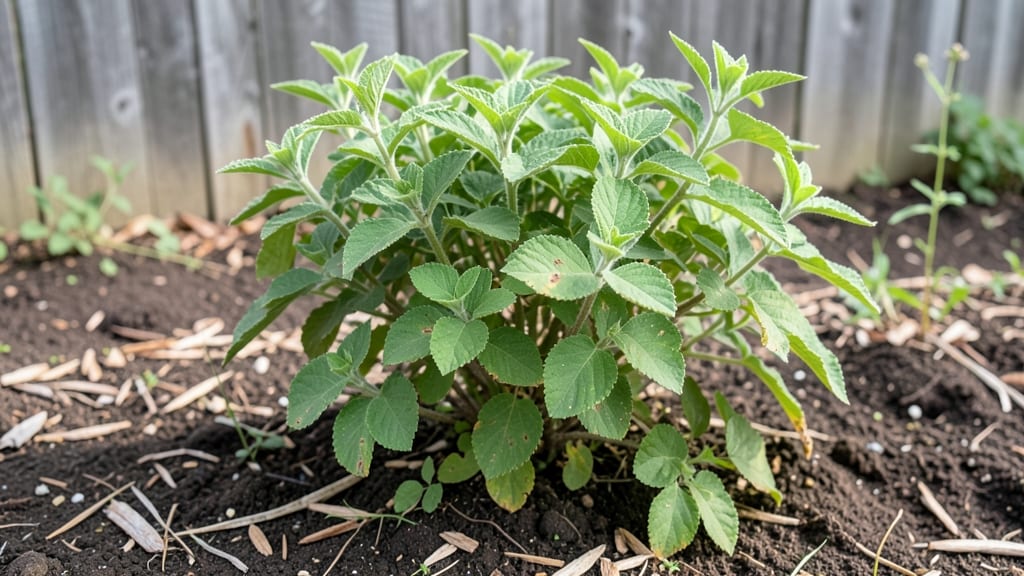
If your lantana won’t bloom, it’s usually a cry for more sun and better balance—here’s how I fixed three stubborn plants starved for light and overwatered. The key is simple: lantanas need bright, direct sunlight for at least 6 hours daily and soil that drains like a sieve.
Most people overdo the watering or fertilizing, thinking more equals better. Instead, let the top inch of soil dry out completely between waterings, and feed lightly with a balanced 10-10-10 fertilizer every 4-6 weeks during growing season.
Prune spent blooms back to fresh growth, but never cut into old wood—this keeps the plant focused on producing flowers, not just leaves.
Within 2-3 weeks of adjusting care, you’ll see new buds forming. The blooms will be brighter, last longer, and attract butterflies like crazy. The secret isn’t complicated—just match their natural habits to your growing conditions. Let’s fix this before another season passes without those cheerful clusters.
This works for both container lantanas and in-ground plants, whether you’re in a hot, dry climate or a milder zone. The same principles apply—just tweak the watering slightly based on your local heat. Ready to bring back those blooms?
Root Causes Blocking Lantana Flowers
If your Lantana camara is putting out lush green leaves but stubbornly refusing to bloom, the issue likely stems from one (or more) of these common environmental or care-related triggers.
Understanding the science behind each cause helps you pinpoint the exact fix—because once you address the root problem, those vibrant clusters of orange, yellow, or pink flowers will return in full force!
###
🌡️ Insufficient Light Exposure
Lantanas are sun worshippers—they require 6 to 8+ hours of direct sunlight daily to trigger flowering. Here’s why light deprivation stalls blooms:
- Photosynthesis vs. Florigen Production: While leaves need light for energy, lantanas specifically need intense sunlight to produce florigen, a hormone that signals flower buds to form. Shade reduces florigen levels, keeping your plant in "leaf mode."
- Temperature + Light Synergy: Lantanas also need warmth (above 70°F/21°C) to pair with light. If your plant gets bright light but cool temps (e.g., morning sun + evening chill), flowering hormones stay dormant.
- Leaf vs. Flower Prioritization: In low light, lantanas consciously redirect energy to leaf growth over reproductive structures (flowers). Think of it like a student cramming for an exam—they’ll pass the easy test (leaves) but flunk the hard one (flowers).
💡 Pro Tip: If your lantana is in a container, move it to a south- or west-facing spot. For in-ground plants, prune nearby trees/shrubs to open up the canopy. Partial shade (e.g., dappled light under a tree) is a common culprit—lantanas hate it!
###
💧 Overwatering or Poor Drainage
Lantanas are drought-tolerant natives of tropical and subtropical regions where water is scarce. When overwatered or stuck in soggy soil, they shift focus to survival—not flowering. Here’s the science:
- Root Stress = No Flowers: Excess moisture triggers ethylene production, a stress hormone that inhibits flowering in many plants. It’s like your lantana is screaming, "Why should I make seeds when I might drown?!"
- Fungal Blockades: Waterlogged soil breeds root rot (Phytophthora, Pythium), which clogs nutrient uptake. Without key nutrients like phosphorus (P) and potassium (K), flower development grinds to a halt.
- Hormonal Imbalance: Overwatering dilutes soil hormones like abscisic acid (ABA), which normally promotes flowering in response to stress (like drought). Confusing, right? Too much water = no stress = no ABA = no flowers.
🔥 Fix It:
- Let soil dry completely between waterings (stick your finger 2" deep—if damp, wait).
- Amend heavy clay soil with perlite or coarse sand (lantanas hate "wet feet").
- Use a well-draining potting mix (e.g., 60% potting soil + 30% perlite + 10% compost).
###
⚖️ Nutrient Imbalances (Too Much Nitrogen)
Lantanas thrive on low-nitrogen, high-phosphorus diets. When gardeners overfeed with high-nitrogen fertilizers (like lawn fertilizer or blood meal), the plant goes into vegetative overdrive—prioritizing leaves over flowers. Here’s how it works:
| Nutrient | Effect on Lantana | Ideal Ratio (NPK) |
|---|---|---|
| Nitrogen (N) | Excess N = leafy growth, delayed/zero flowering. Think of it as a bodybuilder who never cuts carbs—they bulk up but never get defined. | Low: 5-10-10 or 7-9-5 |
| Phosphorus (P) | Boosts root development and flower buds. Lantanas need P to initiate blooming. | Moderate: 10-20% of total fertilizer |
| Potassium (K) | Supports flower longevity and disease resistance. Low K = weak stems + early flower drop. | Moderate: 10-20% of total fertilizer |
🌡️ Quick Test: If your lantana’s leaves are dark green and rubbery with no red/purple stems, you’re overdoing nitrogen. 🎯 Switch to a low-N, high-P fertilizer (e.g., 5-10-10) and reduce feeding to once every 6-8 weeks in spring/summer.
💡 Remember: Lantanas often bloom in response to stress (like drought or pruning). If you’ve ruled out light/nutrients/water, try lightly pruning back leggy growth—this can trigger a flush of flowers as the plant "panics" and reproduces!
How to solve it
If your lantana is throwing a no-bloom tantrum, don’t panic! With the right tweaks, you can coax those vibrant flowers back into action.
Below, we’ve mapped out the most common causes of your lantana’s refusal to bloom—plus practical fixes and prevention tips to keep it happy and flowering year-round. 🌸
###
🌞 Not Enough Sunlight? → Move It to the Light
Lantanas are sun-worshippers, and skimping on light is a fast-track way to skip the blooms. If your plant is tucked away in shade or partial shade, it’s time for a sunny relocation.
- 🔥 Step 1: Choose a spot with 6+ hours of direct sunlight daily. South- or west-facing spots are ideal.
- 🌱 Step 2: Gradually acclimate your lantana to full sun. Start with 2–3 hours/day and increase over 1–2 weeks to avoid leaf scorch.
- 🌡️ Step 3: If moving outdoors, wait until morning temps are above 60°F (15°C) to avoid shock.
Prevention tip: 💡 Plant lantanas in full sun from day one—they thrive in it and reward you with nonstop blooms!
###
💧 Overwatering or Poor Drainage? → Let It Dry Out
Lantanas hate soggy roots. If your plant is drowning in moisture, it’ll focus on survival—not blooming. Here’s how to fix the water woes:
- 🔪 Step 1: Check the soil. Stick your finger 2 inches deep—if it’s damp, wait to water. Lantanas prefer dry soil between waterings.
- 🌱 Step 2: Improve drainage. Mix sand or perlite into heavy soil, or repot into a container with drainage holes.
- ⏰ Step 3: Water deeply but infrequently. Once a week (or less) is usually enough—more in summer, less in winter.
Pro tip: 🌡️ Yellowing leaves? That’s a red flag for overwatering. Let the soil dry out completely before watering again.
###
🍽️ Wrong Fertilizer or Timing? → Feed It Right
Lantanas need the right nutrients at the right time to bloom. If you’re fertilizing too much, too little, or at the wrong season, your plant will stay stubbornly bare.
| Problem | Fix |
|---|---|
| Using high-nitrogen fertilizer (e.g., lawn fertilizer) | Switch to a balanced (10-10-10) or bloom-boosting (5-10-10) fertilizer. |
| Fertilizing in fall/winter | Feed only in spring and early summer (stop by August). |
| Not fertilizing at all | Apply a slow-release granular fertilizer in spring, then liquid feed every 4–6 weeks. |
Bonus tip: ✨ For a bloom explosion, add a low-dose phosphorus boost (like 7-9-5 fertilizer) in early spring.
###
🌿 Overpruned or Root-Bound? → Trim and Repot
If your lantana is overgrown, leggy, or root-bound, it’s too busy surviving to produce flowers. Here’s how to revive its energy:
- 🔪 Step 1: Prune back by 1/3 to encourage bushier growth. Cut just above a leaf node (where new growth emerges).
- 🌱 Step 2: Check the roots. If they’re circling the pot, it’s time to repot into a slightly larger container with fresh soil.
- 💡 Step 3: After pruning, reduce watering for 1–2 weeks to help it focus on recovery.
Prevention tip: 🎯 Prune regularly (2–3 times a year) to keep your lantana compact and flowering.
With these fixes, your lantana should be back in full-bloom mode in no time. 🌺 Keep an eye on its sunlight, water, and nutrients, and you’ll enjoy season-long color—no more blooming droughts!
Frequently asked questions
Why does my lantana grow leaves but no flowers?
Lantanas prioritize leaf growth when they’re stressed—usually from too little sunlight (6+ hours daily is essential) or overwatering. They also need warmth (above 70°F) and proper nutrients. Check your plant’s light exposure and soil dryness first—those are the top culprits!
How can I encourage my lantana to bloom faster?
Try these quick fixes: Move it to full sun, let the soil dry completely between waterings, and switch to a low-nitrogen, high-phosphorus fertilizer like 5-10-10. Lightly prune leggy stems to redirect energy toward blooms—you’ll often see new buds in 2-3 weeks!
Is it okay to fertilize my lantana in fall or winter?
No—lantanas are dormant in cooler months and don’t need fertilizer. Feeding in fall/winter can actually harm roots. Wait until spring to restart fertilizing with a balanced 10-10-10 mix, then reduce to every 6-8 weeks during peak growing season.
What does it mean if my lantana leaves turn yellow?
Yellowing leaves usually signal overwatering or poor drainage. Stick your finger 2 inches into the soil—if it’s damp, stop watering! Lantanas thrive on dry soil between waterings. If the problem persists, check for root rot by gently removing the plant to inspect the roots.
Can I save a lantana that’s been blooming poorly for years?
Even long-neglected plants can bounce back. Start by repotting into fresh, well-draining soil, pruning back by 1/3 to encourage new growth, and adjusting sunlight to full sun. With consistent care, you’ll often see a bloom revival within 4-6 weeks!