
Blooming
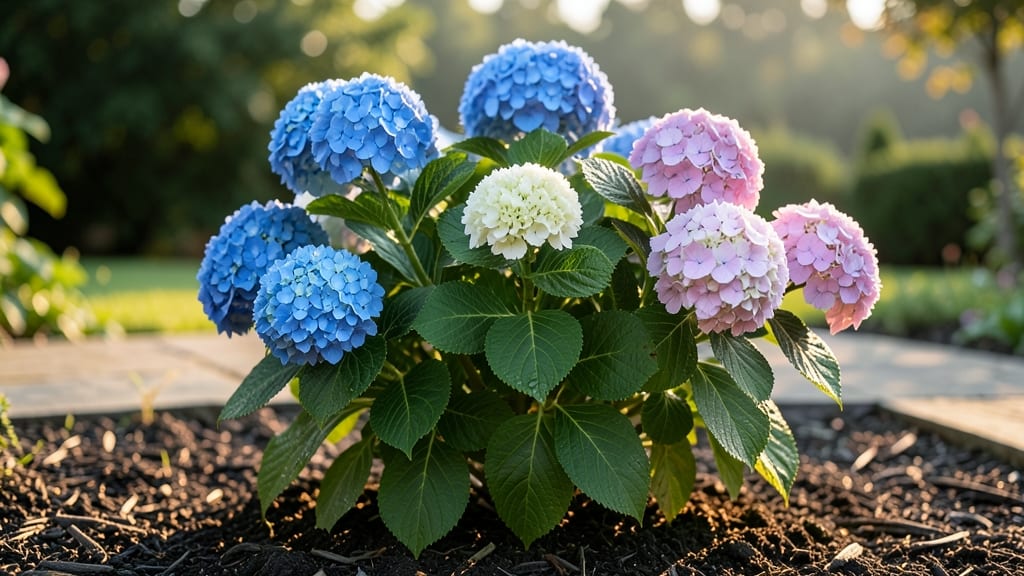
Hydrangeas in New Jersey bloom between late May and July, with some varieties offering a second show in fall—if you know the right tricks.
If you’ve ever wondered why your hydrangeas seem to bloom at different times—or why some varieties never deliver—NJ’s unique climate holds the key. From late spring’s first flushes to summer’s second showers, timing everything right can mean the difference between a stunning garden and a missed opportunity.
Here’s the deal: reblooming types like Endless Summer need pruning in late winter, while once-bloomers like Annabelle rely on old wood and should never be cut back. Throw in coastal humidity, inland heat, and microclimates, and you’ve got a recipe for blooms that arrive early, late, or not at all.
Below, I break down the exact months for your zone, how to coax extra blooms, and the one pruning mistake that kills rebloomers. Let’s make sure your hydrangeas don’t miss their window this year.
Hydrangea bloom times in NJ: reblooming vs. once-bloom varieties explained
New Jersey’s humid subtropical climate creates the perfect stage for hydrangeas, but timing their blooms depends on whether you’re growing reblooming varieties or once-bloom types. Coastal areas like Cape May enjoy milder summers, while inland regions like Newark face hotter, drier conditions—both affecting bloom schedules.
Understanding these differences helps you plan for stunning displays year after year.
Most once-bloom hydrangeas, like the classic Annabelle (Hydrangea arborescens), set buds on old wood in late summer/fall. They burst into bloom in May or June and fade by early August.
Meanwhile, reblooming varieties, such as Endless Summer or Nikko Blue, produce flowers on both old and new wood, extending their season from late spring through fall.
Here’s how NJ’s microclimates influence bloom times:
- Coastal NJ: Warmer winters and cooler summers delay first blooms until late May but prolong them into October.
- Inland NJ: Hotter summers can stress plants, causing June blooms to wilt by July unless properly cared for.
Heat and humidity play critical roles in NJ’s hydrangea blooms. Coastal areas benefit from moderate humidity, while inland zones may experience bud drop during heatwaves. To combat this, mulch plants with 2–3 inches of organic matter and water deeply twice weekly during dry spells. Reblooming varieties, in particular, thrive with consistent moisture to support their extended flowering.
If you’re planting new hydrangeas this spring, choose varieties based on your bloom goals. For a single spectacular show, opt for Annabelle or Grandiflora. For season-long color, Endless Summer or Let’s Dance are unbeatable.
Remember: blue blooms need acidic soil (pH 5.0–5.5), while pink/red varieties prefer neutral soil (pH 6.0–7.0).
Pruning timing is another game-changer. Once-bloomers should never be pruned after July, as you risk removing next year’s buds. Rebloomers, however, can be lightly trimmed in late summer to encourage fall blooms.
Use clean, sharp shears and remove 1/3 of the oldest stems in late winter to promote vigorous new growth.
For coastal gardeners, take advantage of the longer growing season by planting early-blooming varieties like Oakleaf hydrangeas, which start flowering in May and continue into fall. Inland gardeners should prioritize heat-tolerant types, such as Panicle hydrangeas, which handle NJ’s summer heat better than mopheads.
Watch for bud set in late summer—this is when hydrangeas prepare for next year’s blooms. If you notice fewer buds or smaller flowers, it may signal nutrient deficiency or stress. Apply a balanced fertilizer (10-10-10) in early spring and mid-summer to keep plants thriving.
Always water at the base of the plant to avoid wetting foliage, which can lead to powdery mildew.
Pro tip: Deadhead spent blooms on reblooming varieties throughout summer to redirect energy into new flowers. For once-bloomers, let flowers naturally fade to provide winter interest and protect buds.
With the right care, your hydrangeas can bloom from May to October, turning your NJ garden into a year-round showstopper.
🌿
How to extend hydrangea blooms in NJ: pruning, fertilizing & deadheading tips
NJ’s humid summers and variable climate can challenge hydrangea blooms, but with the right care, you can turn a 6-week show into 3-4 months of color. The key lies in understanding reblooming vs. once-bloom varieties and adjusting your pruning schedule accordingly.
For example, Endless Summer hydrangeas produce buds on both old and new wood, while Annabelle varieties bloom only on last year’s growth.
Timing is everything—pruning at the wrong time can mean missed blooms. Most gardeners make the mistake of pruning in early spring, but late winter (February-March) is ideal for once-bloomers, while rebloomers need a summer pruning in July to encourage new growth.
Let’s break down the exact steps to maximize your hydrangea’s potential in NJ’s climate.
-
Step 1: Prune Once-Bloomers (February-March)
Cut back dead or weak stems to just above a bud or pair of buds. Avoid heavy pruning—never remove more than 1/3 of the plant to preserve next year’s blooms.
-
Step 2: Fertilize in Early Spring (April)
Use a balanced fertilizer (10-10-10) or acid-loving formula for blue blooms. Work it into the soil around the root zone and water deeply to activate nutrients.
-
Step 3: Deadhead Rebloomers (June-July)
Remove faded blooms by cutting stems back to the nearest set of leaves. This redirects energy to new flower buds for a second flush in late summer.
-
Step 4: Prune Rebloomers (August-September)
Lightly trim overgrown stems to maintain shape. Avoid heavy cuts—focus on removing only the top 1/3 to encourage next year’s growth.
-
Step 5: Mulch & Water Consistently (Spring-Fall)
Apply 2-3 inches of mulch to retain moisture and regulate soil temperature. Water deeply 1-2 times per week, especially during NJ’s hot, dry spells.
NJ’s soil often lacks the acidity needed for blue hydrangeas, so test your pH and amend with sulfur or aluminum sulfate if blooms appear pink. For reblooming varieties, a light summer feeding with a low-nitrogen fertilizer (5-10-10) keeps blooms vibrant without encouraging leafy growth over flowers.
Don’t forget that deadheading spent blooms isn’t just about looks—it’s a critical signal to the plant to produce more flowers. For once-bloomers like Annabelle, skip deadheading entirely and focus on winter protection with mulch to insulate roots during NJ’s cold snaps.
With these adjustments, your hydrangeas can bloom from late May through October, turning your NJ garden into a season-long spectacle. The secret? Consistency and variety-specific care—because not all hydrangeas follow the same rules! 🌸