
Pests
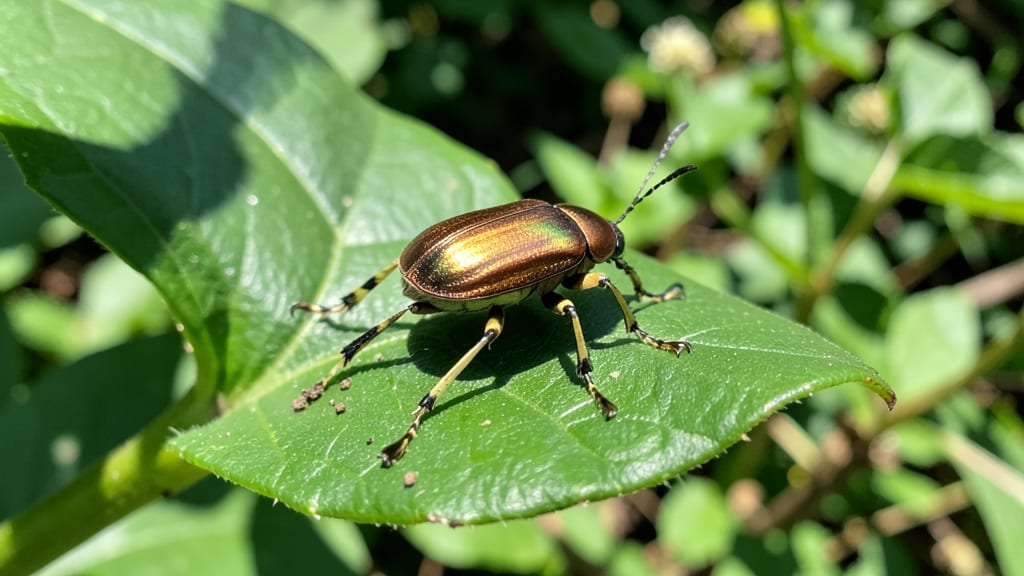
Japanese flower beetles 🐞 are the sneaky garden thieves turning your spring blooms into skeleton leaves overnight.
If your roses or peonies look like they’ve been hit by a swarm of tiny drills, you’re not imagining it—these iridescent invaders can strip a plant bare in days. But here’s the good news: with the right moves, you can catch them before they wreck your entire garden.
These beetles thrive in USDA Zone 6 during spring, when your host plants like roses and peonies are at their most vulnerable. The key to stopping them? Spotting their telltale damage early and acting fast with non-toxic solutions.
Below, I’ll walk you through how to identify them, the safest ways to remove them, and proven tricks to keep them out for good—so your garden stays lush, not lunch.
How to identify Japanese flower beetles in your garden
Japanese flower beetles (Popillia japonica) are notorious for their destructive feeding habits, but spotting them early can save your garden from devastation. These pests target roses, peonies, and other flowering plants, leaving behind skeletonized leaves and chewed petals.
The key to effective removal starts with accurate identification, so you don’t confuse them with harmless beetles or beneficial pollinators.
Adult Japanese flower beetles are 1/3 to 1/2 inch long with a distinctive metallic green or coppery color. Their hard, rounded bodies and iridescent wings make them stand out against foliage. Unlike ladybugs or ground beetles, they lack spots or stripes, which helps differentiate them from other garden insects.
Their life cycle includes four stages: egg, larva (white grubs), pupa, and adult. Larvae are the most damaging stage, feeding on grassroots underground, while adults chew on leaves and flowers. Understanding these stages helps you target treatment at the right time for maximum effectiveness.
Here’s how they compare to other common beetles in your garden:
Look for chewed petals and notched leaves as a telltale sign of Japanese flower beetle activity. They prefer to feed during hot, sunny days, often hiding in shaded areas when temperatures drop. Check the undersides of leaves and flowers, where they’re most likely to be found.
Another clue is their feeding behavior. Unlike Japanese beetles, which often feed in groups, Japanese flower beetles tend to work solitary or in small clusters. This habit can help you spot them before they cause widespread damage.
If you notice white grubs in your lawn during spring or summer, those are the larvae of Japanese flower beetles. These grubs can kill grass roots, leading to brown patches in your lawn. Testing soil moisture can help confirm their presence, as grubs thrive in damp conditions.
Early morning or late afternoon is the best time to inspect your garden for these pests, as they’re most active during cooler hours. Use a magnifying glass to examine leaves and flowers closely, focusing on areas where you’ve noticed damage.
Once you’ve confirmed you’re dealing with Japanese flower beetles, act quickly. These pests multiply rapidly, and a small infestation can become unmanageable in just a few weeks. The next step is identifying the best removal methods tailored to your garden’s needs.
🌿
Safe and effective removal methods for Japanese flower beetles
Japanese flower beetles may be small, but their appetite for your garden’s blooms can be devastating. The good news? You don’t need harsh chemicals to control them. Instead, use targeted removal methods that protect your garden’s ecosystem while keeping these pests in check.
Start by focusing on manual removal during peak activity hours—early morning or late afternoon—when beetles are sluggish and easier to spot.
Before diving into removal, it’s crucial to distinguish between beneficial beetles and Japanese flower beetles. The latter have a distinctive metallic green or copper sheen and leave notched, irregular holes in petals.
Misidentifying them could lead to harming pollinators like ladybugs or ground beetles, which actually help control pests. Always double-check before acting.
Step-by-Step Removal Guide
-
1. Handpick Adult Beetles
Wear thick gardening gloves and collect beetles into a bucket of soapy water. Focus on roses, peonies, and hibiscus—their favorite targets. -
2. Use a Drop Cloth Trap
Lay a dark-colored tarp under infested plants. Beetles will hide underneath during the day. Shake plants gently to encourage them to drop. -
3. Apply Neem Oil Spray
Mix 1 tsp neem oil with 1 quart of water and a drop of dish soap. Spray early morning or evening to avoid harming bees. Reapply every 5–7 days. -
4. Introduce Natural Predators
Encourage birds, toads, and ground beetles by adding a small water feature or leaving leaf litter. These predators feast on beetle larvae in the soil. -
5. Disrupt Larval Habitats
Japanese flower beetle larvae (white grubs) thrive in compacted, moist soil. Aerate your garden in early spring and apply compost to deter them.
For stubborn infestations, consider beer traps. Bury a shallow container filled with beer near affected plants. The yeast scent attracts beetles, but they’ll drown—no chemicals needed. This method is especially effective for late-summer outbreaks when beetles are most active.
Remember, consistency is key. Japanese flower beetles reproduce quickly, so repeat treatments every 7–10 days during peak season (June–August). Monitor your garden closely, and you’ll see a noticeable reduction in damage within 2–3 weeks of consistent effort.
By combining these non-toxic methods, you’ll protect your garden’s health while keeping Japanese flower beetles at bay—without harming the pollinators that keep your plants thriving. 🌿