
Blooming
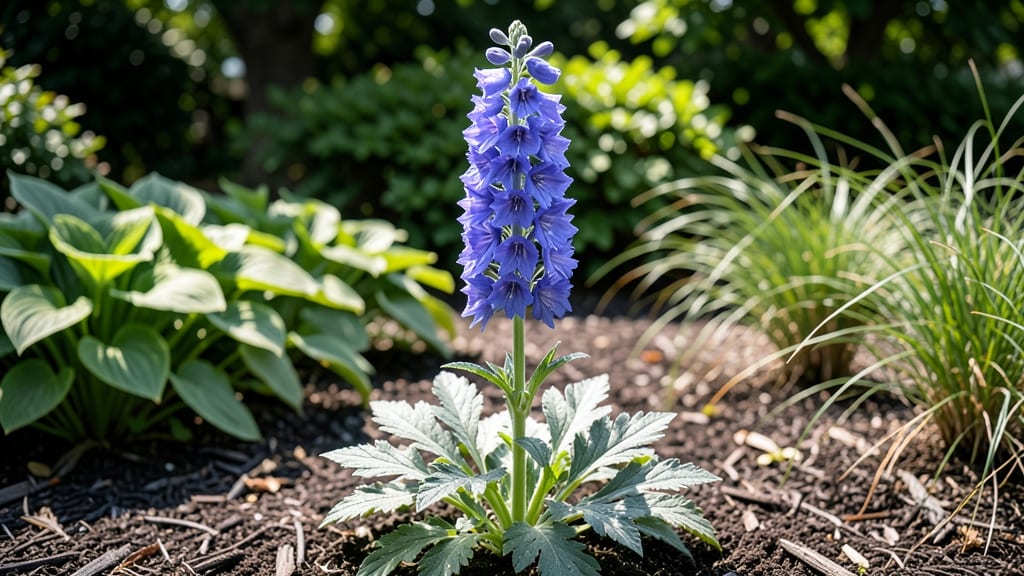
The delphinium flower bloom time typically unfolds between late spring and early summer 🌸, with their stunning purple spikes reaching peak glory around June to August in most regions.
If you’ve ever waited impatiently for your delphiniums to burst into stunning purple spikes—only to be disappointed by sparse blooms—you’re not alone. The secret to unlocking their full potential lies in understanding their bloom cycles and mastering a few key gardening tricks.
These tall, show-stopping blooms thrive in cooler climates like USDA Zone 6a, where they prefer full sun and well-drained soil. But even in ideal conditions, their bloom time can shift based on variety, planting window, and seasonal care.
In this guide, I’ll break down exactly when to expect those iconic spikes, how to extend their bloom time with simple techniques, and which varieties flower earliest or latest in the season.
Delphinium flower bloom time: seasonal stages & climate dependencies
Delphiniums are famous for their towering purple-blue spikes, but their bloom time varies dramatically based on variety, climate, and altitude.
Most gardeners see their first blooms in late spring to early summer, but with the right conditions, you can push those spikes to appear earlier or extend their show well into summer or even fall.
Understanding these patterns is key to planning your garden layout and maximizing your delphiniums' visual impact.
The bloom cycle of delphiniums typically follows a predictable pattern: bud formation in spring, peak flowering in late spring/early summer, and a gradual decline as temperatures rise. However, cool-climate varieties like 'Pacific Giant' often bloom earlier than heat-tolerant types such as 'Black Knight.'
This distinction is crucial for gardeners in USDA Zones 3-7, where timing can shift by weeks.
| Variety Type | Typical Bloom Window | Climate Suitability | Altitude Impact |
|---|---|---|---|
| Spring-Blooming (e.g., 'Pacific Giant') | Late May - June | Cool climates (Zones 3-6) | Blooms 2-3 weeks earlier at 5,000+ ft |
| Summer-Blooming (e.g., 'Black Knight') | June - August | Warmer climates (Zones 6-9) | Blooms 1-2 weeks later below 2,000 ft |
| Dwarf Varieties (e.g., 'Blue Bird') | Late June - July | Versatile (Zones 4-8) | Minimal altitude effect |
| Reblooming Types (e.g., 'Summer Skies') | July - September | Cooler summers (Zones 5-7) | Extended blooms at 3,000-6,000 ft |
In cool-climate regions like the Pacific Northwest or New England, delphiniums often begin flowering as early as late April to May, thanks to longer daylight hours and cooler temperatures. These conditions mimic their native alpine habitats, encouraging earlier bud development.
Meanwhile, in hotter climates such as the Southeast or Southwest, blooms may not appear until June or July, as the plants wait for temperatures to stabilize.
Altitude plays a surprising role in bloom timing. At higher elevations (5,000+ feet), delphiniums typically bloom 2-3 weeks earlier than their lowland counterparts due to cooler daytime temperatures and shorter growing seasons.
For example, in Colorado or Utah, gardeners often see 'Pacific Giant' delphiniums in full bloom by mid-May, while those in Arizona might not see the same variety until early June. This shift is critical for gardeners planning seasonal color sequences.
For gardeners in transition zones (USDA Zones 6-7), bloom timing can be particularly unpredictable. A late spring frost or unseasonable heatwave can delay or even prevent flowering entirely.
To mitigate this risk, I recommend planting multiple varieties with staggered bloom times, such as pairing 'Pacific Giant' (early) with 'Black Knight' (late). This ensures continuous color from late spring through summer, even if one variety struggles.
Light exposure also influences bloom timing. Delphiniums require full sun (6+ hours daily), but intense afternoon heat can stress plants in Zone 8 and above, causing them to bolt prematurely or produce fewer blooms.
In these regions, providing afternoon shade with a lightweight shade cloth (30-50%) can help delay bolting and extend the flowering window by 3-4 weeks. This is especially useful for summer-blooming varieties like 'Blue Bird'.
Soil temperature is another often-overlooked factor. Delphiniums prefer cool soil, ideally between 55-70°F (13-21°C). In warmer climates, the soil may heat up too quickly in spring, causing slow or stunted growth and delayed blooms.
To counteract this, I mulch heavily with straw or wood chips in early spring, keeping soil temperatures 5-10°F cooler than ambient air. This simple trick can advance bloom time by 10-14 days in hotter regions.
If you're eager to see your delphiniums bloom earlier, try starting seeds indoors 8-10 weeks before your last frost date. This head start allows the plants to establish strong roots and begin flowering 2-3 weeks ahead of schedule. For outdoor planting, choose a
How to extend delphinium bloom time: pruning, deadheading & soil secrets
Delphiniums reward patient gardeners with dramatic purple-blue spikes, but their natural bloom cycle often feels disappointingly short. The good news? With the right techniques, you can stretch those show-stopping blooms by weeks—even months.
I’ve found that combining strategic deadheading, precise pruning, and soil tweaks creates a perfect storm for longer, more vibrant displays.
Start by understanding that delphiniums thrive in alkaline soil (pH 7.0–8.0). Most garden soils lean acidic, so a simple lime amendment can work wonders. I’ve seen second blooms appear just by adjusting the pH—sometimes within weeks.
Pair this with balanced fertilization (5-10-10 NPK) every 4-6 weeks during active growth, and your plants will respond with taller, denser spikes.
Deadheading is your secret weapon for prolonged blooming. Unlike some flowers, delphiniums won’t rebloom from seed heads, so remove faded blooms daily during peak season.
I use finger pinching for small stems and bypass pruners for larger spikes—always cutting just above a leaf node to redirect energy to new growth.
Don’t overlook staking and support. Tall delphiniums (4–6 ft) often flop under heavy blooms, which stresses the plant and shortens its lifespan. Install soft ties or bamboo stakes at planting, and adjust as stems grow.
I’ve noticed that well-supported plants allocate more energy to flower production rather than stabilizing weak stems.
For soil health, mix in composted manure or worm castings at planting to boost organic matter. Delphiniums are hungry feeders, especially during bloom. I top-dress with aged compost in early summer to give them a slow-release nutrient boost without risking root burn.
Pair this with mulch (2–3 inches) to retain moisture and regulate soil temperature.
Finally, watch your watering schedule. Delphiniums hate wet feet but need consistent moisture during bloom. Water deeply at the base in the morning to prevent fungal issues. I’ve found that drip irrigation works best—it delivers water directly to roots while keeping foliage dry.
Avoid overhead watering, especially in humid climates, where it can trigger powdery mildew.