
Blooming
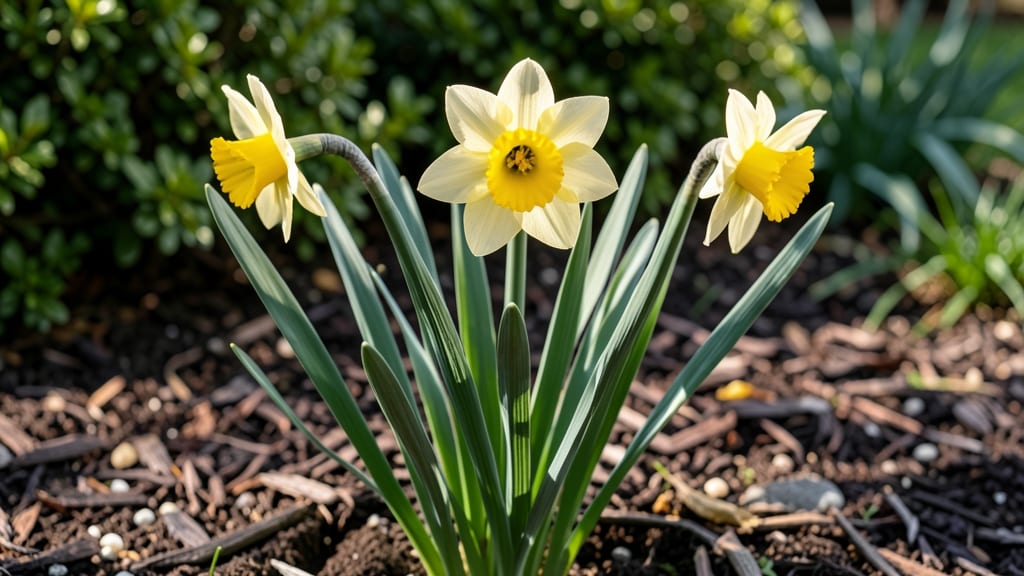
Spring-blooming flowers that fit the crossword clue 'is allowed to bloom in spring' typically include daffodils, tulips, or crocuses, which are iconic early-season bloomers symbolizing renewal and fresh starts.
Crossword clues often highlight flowers that burst into color as winter fades, like daffodils with their bright yellow trumpets or tulips in vibrant shades. 🌷 These plants aren't just beautiful—they're hardy enough to brave early spring's unpredictable weather while carrying deep symbolic meanings.
Gardeners swear by them for their reliability, making them perfect candidates for puzzles that test both botanical knowledge and seasonal timing.
What makes these flowers especially crossword-friendly is their cultural significance: daffodils represent rebirth, tulips symbolize perfect love, and crocuses mark the arrival of spring itself. This triple-layered appeal—botanical, seasonal, and symbolic—explains why they appear so frequently in puzzles.
The key is their timing: they're among the first flowers to emerge when other plants are still dormant.
💡 In This Article
- Why Spring-Blooming Flowers Fit Crossword Clues
- Best Spring Flowers for Gardens and Crossword Answers
Why spring-blooming flowers fit crossword clues
Spring-blooming flowers dominate crossword clues because they embody the season's defining characteristics: resilience and renewal. Botanists call this phenomenon "vernalization"—the process where plants break winter dormancy when exposed to cold temperatures followed by warming.
Daffodils, for instance, can withstand 20-30°F temperatures while tulips thrive in 40-50°F ranges, making them reliable early-season performers. This hardiness aligns perfectly with crossword themes that celebrate nature's cyclical patterns.
The timing is everything in crossword design. Most spring bloomers emerge between February and April, when other flowers remain dormant. Crocuses, for example, often push through snow to bloom as early as late January, while lilacs typically appear in May.
This precise window creates a natural rhythm that crossword constructors can exploit—flowers that bloom "when allowed" by warming temperatures fit clues beautifully. The wordplay often hinges on this seasonal permission, like "spring's first green light" for blooming.
Cultural symbolism deepens their crossword appeal. Daffodils, with their golden hue, represent hope and new beginnings—a perfect match for spring's themes. Tulips, introduced to Europe in the 16th century, became symbols of perfect love, adding romantic undertones to clues.
Even crocuses, though small, carry ancient Greek associations with the goddess of spring, Persephone. These layered meanings give crossword clues richer context beyond just botanical facts.
Consider the mechanics of clue construction: a 3-letter answer like "LIL" for lilacs or "TUL" for tulips fits neatly into grid constraints while carrying visual and symbolic weight. The flowers' vibrant colors—yellow daffodils, purple hyacinths, red tulips—also create vivid mental images that enhance the puzzle-solving experience.
This combination of practicality (timing, hardiness) and symbolism (renewal, love) makes spring bloomers the ideal crossword subjects.
What often surprises solvers is how regional variations play into clues. In colder climates, crocuses might bloom earlier than tulips, while in warmer areas, pansies can appear as early as January.
Crossword constructors sometimes account for these regional differences by using clues like "first to bloom in Zone 5" or "common in Mediterranean gardens." This geographical nuance adds another layer of complexity that appeals to both casual solvers and gardening enthusiasts.
For example, hyacinths—with their intense fragrance and clustered blooms—might appear in clues about "perfumed spring flowers," while pansies often get tagged as "face-like blooms" due to their distinctive shapes.
These descriptive traits create memorable connections between the flower and its crossword representation. The sensory details (scent, shape, color) make the clues more engaging and easier to recall.
Understanding these botanical and cultural layers reveals why certain flowers dominate crossword answers. It's not just about timing—it's about how these plants embody the very essence of spring's promise and transformation. 🌸