
Blooming
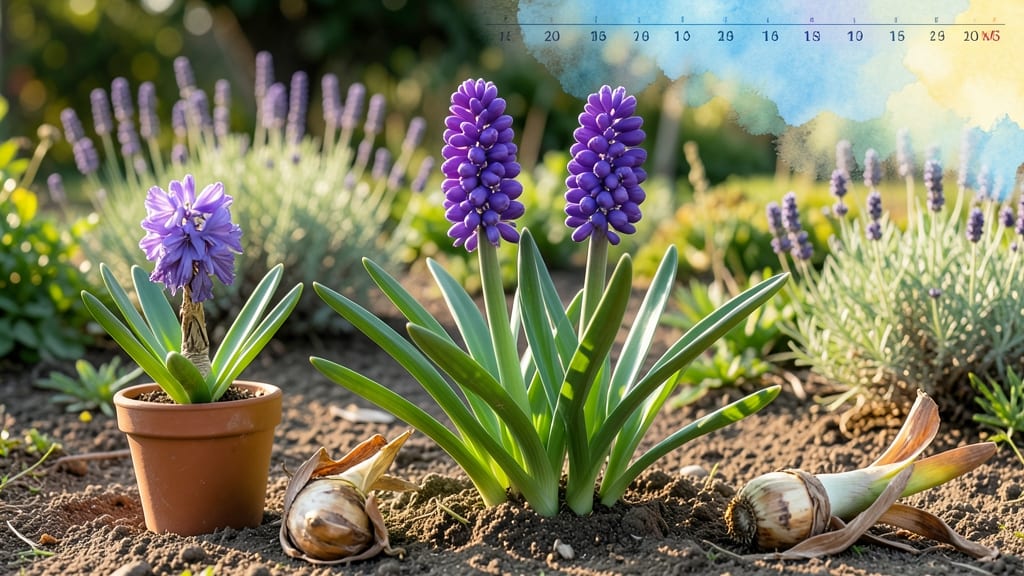
Hyacinths do not bloom all summer; they produce vibrant flowers in early spring for just 2-3 weeks, depending on the variety and climate, before foliage fades and bulbs enter dormancy until fall planting.
Hyacinths are spring's fleeting stars, bursting into color for a brief but spectacular window. 🌸 Their blooming window is biologically hardwired—once they finish flowering, the bulbs redirect energy to storing nutrients for next year's show.
Unlike some perennials that stretch their blooms across seasons, hyacinths prioritize one intense display, making their early spring timing all the more magical. The good news? With proper care, you can coax them into reblooming indoors or extend their outdoor presence through strategic planting techniques.
What sets hyacinths apart is their sensitivity to temperature shifts—they need consistent chilling (around 40-50°F) followed by warmer days to trigger blooms. This makes their timing predictable but also means they won't tolerate summer heat, which explains why you won't see them flowering again until next spring.
For gardeners eager to enjoy hyacinths year-round, forcing techniques (like chilling potted bulbs in refrigerators) can recreate that spring magic indoors during off-seasons.
💡 In This Article
- Hyacinth Bloom Cycle: Why Their Season Is So Brief
- Extending Hyacinth Beauty: Care Tips for Longer-Lasting Blooms
Hyacinth bloom cycle: why their season is so brief
Hyacinths follow a strict biological clock tied to temperature and daylight cues. Their blooming window opens only after bulbs experience 6-8 weeks of chilling at temperatures between 40-50°F, typically during winter. This chilling period mimics natural conditions where bulbs remain dormant underground.
Once spring arrives and temperatures rise above 55°F, the bulbs receive the signal to sprout and bloom—usually within 2-3 weeks—before the foliage begins to yellow and die back. 🌱
The energy stored in hyacinth bulbs is finite, and nature designed them to allocate most of it to a single, spectacular bloom rather than stretching it across seasons. Unlike perennials that regrow from the same root system, hyacinths rely entirely on their bulb's reserves.
After flowering, the plant shifts focus to replenishing these reserves through photosynthesis in the leaves, which is why you should never cut the foliage too soon—it needs 6-8 weeks to fully recharge before dormancy.
This is why you won't see hyacinths reblooming naturally in summer; their biological priority is survival, not continuous flowering.
Daylight length also plays a role in their timing. Hyacinths are sensitive to increasing daylight hours, which trigger the blooming process. In northern climates, this occurs earlier (March-April), while in warmer southern regions, blooms may appear in late April or May.
Compare this to tulips, which often bloom slightly later and can sometimes produce a second, weaker flush of flowers, or daffodils, which bloom later but may rebloom if given proper care. Hyacinths, however, are all-in on their first bloom, making their season both brief and intensely beautiful.
Another key factor is the bulb's energy budget. Hyacinth bulbs store carbohydrates that fuel both blooming and foliage growth. Once the flowers open, the bulb begins diverting energy to the leaves, which continue growing even as the flowers fade.
This is why the foliage stays green long after the blooms are gone—it's actively working to restore the bulb's reserves. If you cut the foliage too early (before it turns yellow), you're essentially starving the bulb for next year's bloom.
This biological trade-off explains why hyacinths won't bloom all summer; they're designed for a single, spectacular performance rather than a prolonged show. 🌸
Climate variations also influence bloom timing. In cooler regions, hyacinths may bloom earlier and finish sooner, while in warmer areas, they might stretch their season slightly. However, no matter the climate, hyacinths won't bloom in summer because their bulbs enter a mandatory rest period after flowering.
This dormancy phase is crucial for the bulb's survival and ensures they'll be ready to bloom again next spring. The only way to "trick" hyacinths into blooming outside their natural window is through forcing techniques, which we'll explore in the next section.
What most gardeners don't realize is that hyacinths are also sensitive to soil temperatures. If the ground stays too warm (above 65°F) during their active growth phase, it can accelerate the blooming process and shorten their season.
This is why planting them in well-draining soil with a layer of mulch helps regulate temperature and extends their display. The combination of chilling requirements, energy allocation, and temperature sensitivity creates a perfect storm for their brief but brilliant bloom cycle. 🌤️