
Blooming
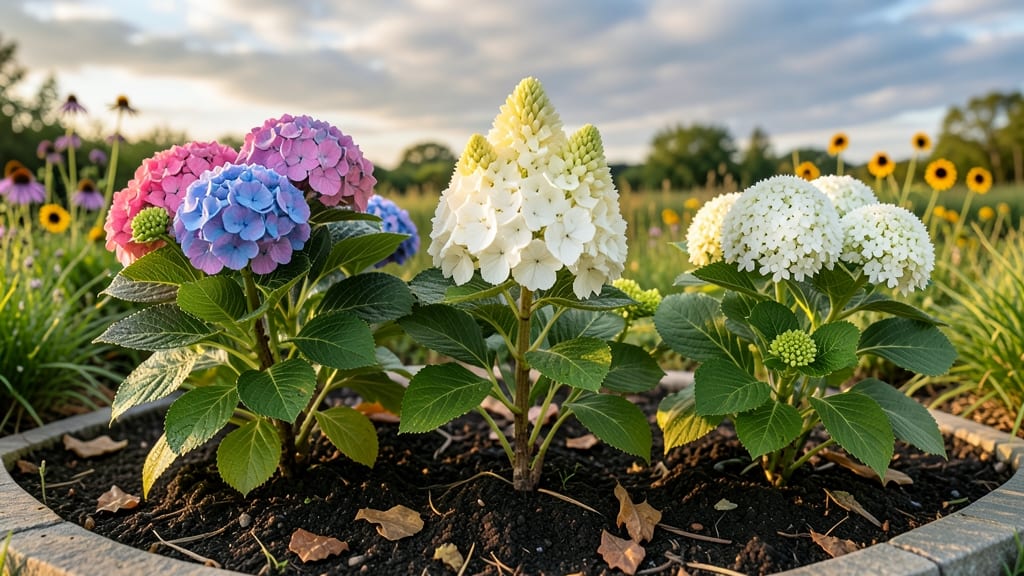
Hydrangeas bloom at different times depending on the variety and your climate zone, with most stunning displays appearing between June and September.
Wondering why your hydrangeas aren’t blooming when they should? Timing is everything—and getting your pruning schedule wrong could mean waiting another year for those stunning flower clusters. But with over 250 hydrangea varieties, each with unique bloom cycles, how do you know when to prune for maximum flowers?
From the classic mophead 🌸 to the towering panicle types, bloom periods vary widely. Bigleaf hydrangeas often flower on old wood, so pruning too late can rob you of next year’s blooms, while panicle varieties thrive when pruned in late winter or early spring.
Understanding these differences is the key to a garden bursting with color.
In this guide, you’ll discover the exact bloom windows for your favorite varieties, a pruning calendar tailored to your zone, and simple tricks to encourage earlier or longer blooms—no matter where you garden.
Hydrangea bloom time by variety: when to expect flowers
If you’ve ever waited eagerly for your hydrangeas to burst into color only to be disappointed, you’re not alone. The key to stunning blooms lies in understanding bloom time by variety—because not all hydrangeas follow the same schedule.
Some burst into flower in early summer, while others wait until late fall, and your USDA zone plays a huge role in when those buds will open.
Let’s break down the bloom periods for the four most popular types: bigleaf, panicle, oakleaf, and smooth hydrangeas, so you can plan your garden like a pro.
First, it’s critical to know that hydrangea bloom time depends on two things: the variety’s natural cycle and your local climate. For example, a panicle hydrangea in Zone 5 might bloom a month earlier than the same variety in Zone 8.
Even within a single type, like bigleaf hydrangeas, some cultivars (like ‘Nikko Blue’) bloom earlier than others (like ‘Endless Summer’). Let’s dive into the specifics so you can time your care—and your expectations—perfectly.
Let’s start with bigleaf hydrangeas (Hydrangea macrophylla), the most popular type for their large, showy blooms. These are mid-season bloomers, typically bursting into color from June to August.
However, if you’re growing ‘Endless Summer’ or ‘You & Me’, you’ll get reblooming flowers in late summer too. The catch? These varieties bloom on old wood, so pruning at the wrong time (like in late winter) can mean no flowers that year.
If you’re in Zone 5 or colder, expect blooms to arrive 2–3 weeks later than in Zone 8.
Next up are panicle hydrangeas (H. paniculata), the late-season stars of the hydrangea world. Varieties like ‘Limelight’ and ‘Little Lime’ bloom from August through October, often lasting well into fall. The best part?
These bloom on new wood, so you can prune them hard in late winter without sacrificing flowers. In Zone 3, you might see blooms push back to early September, while in Zone 9, they could start as early as July.
For maximum impact, plant them where they’ll get full sun—they thrive with 6+ hours of light
Pruning calendar for hydrangea bloom time: do it right
Pruning hydrangeas at the wrong time can mean no flowers for an entire season. Since different varieties bloom on old wood (last year's growth) or new wood (current year's growth), timing matters. Hydrangea macrophylla (like Endless Summer) blooms on old wood, while Hydrangea paniculata (like Limelight) blooms on new wood.
Let's get your pruning schedule aligned with bloom cycles.
For old wood bloomers, prune immediately after flowering—never in late winter or early spring. This preserves next year's buds. For new wood bloomers, prune in late winter or early spring before new growth starts. The key is knowing which type you have and acting accordingly.
⚠️ Critical Mistake Alert!
Pruning old wood bloomers in late winter or spring removes next year's flower buds before they form. If you see buds forming in late spring but prune too early, you'll lose blooms. Always wait until after flowers fade.
Start by identifying your hydrangea type. Look for last year's flower stems—if they're brown and woody, it's an old wood bloomer. If you see green stems with buds at the tips, it's a new wood bloomer. This visual cue saves you from guessing.
For Hydrangea macrophylla, prune in late summer or early fall (August-September). Cut back 1/3 of the oldest stems each year to encourage new growth while preserving flower buds. For Hydrangea paniculata, prune in late winter or early spring (February-March) to shape the shrub and promote vigorous new growth.
Use clean, sharp pruning shears and make cuts at a 45-degree angle just above a bud or leaf node. Avoid leaving stubs, which can rot. After pruning, apply mulch around the base to retain moisture and protect roots during seasonal changes.
If your hydrangea isn't blooming, check your pruning timing. For old wood bloomers, late summer pruning is critical. For new wood bloomers, late winter pruning sets the stage. With the right approach, you'll enjoy abundant blooms season after season.