
Flowers
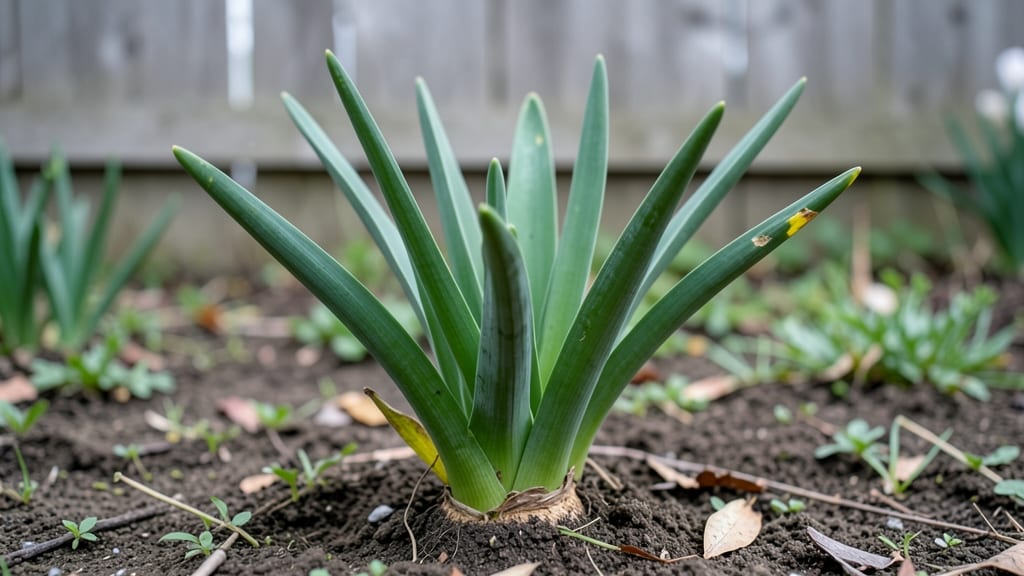
Before blooming, your hyacinth 🌷 needs the right care to ensure those fragrant, colorful spikes emerge on schedule.
Those lush, green shoots poking through the soil aren’t just random growth—they’re sending clear signals that spring’s vibrant show is just weeks away. But how do you know when they’re truly ready to burst into color?
In Zone 6, fall-planted hyacinths start showing signs of readiness by early spring, but timing and conditions matter. A 6-inch stem with firm leaves means your bulbs are primed for their April-May performance.
Here’s what to watch for—from soil prep to watering secrets—and how to avoid common mistakes that steal the show before the blooms even appear.
How to identify healthy hyacinth growth before blooming stages
When those first green shoots of hyacinths push through the soil, it’s your cue to pay close attention. These early signs tell you whether your bulbs are thriving or struggling. Healthy growth before blooming means stronger flowers later—so let’s break down what to look for in your garden.
The key is checking leaf length, shoot thickness, and root development long before those iconic fragrant blooms appear. 🌱
Start by examining the leaf length. Mature hyacinth leaves typically reach 6 to 12 inches tall before blooming. If your leaves are shorter than 4 inches by late winter, your bulbs might need more time or nutrients.
On the other hand, leaves that are longer than 18 inches could indicate overwatering or excessive nitrogen. Balance is key here—aim for vibrant, upright leaves that feel firm to the touch. 🌿
Next, focus on the shoot thickness. Healthy hyacinth shoots should be pencil-thick or slightly thicker by the time they’re 6 inches tall. Thin, spindly shoots often signal weak bulbs or poor soil conditions.
Gently grasp the base of the shoot—if it feels soft or mushy, your bulb may be rotting. A firm, sturdy shoot means your hyacinth is storing energy for those showstopping blooms ahead. ✂️
Don’t forget to check root development! While you can’t always see roots, digging gently around the bulb (if soil is loose) can reveal healthy, white or cream-colored roots spreading outward.
Dark, mushy roots are a red flag for rot, while sparse roots suggest the bulb isn’t getting enough nutrients or water. Well-developed roots mean your hyacinth is preparing for a spectacular spring display. 🪴
Soil conditions play a critical role in pre-bloom health. Hyacinths thrive in well-draining soil with a slightly acidic to neutral pH (6.0–7.0). If your soil feels compacted or stays soggy after watering, your bulbs may struggle. Amend heavy clay with compost or sand to improve aeration.
A simple test: Squeeze a handful of moist soil—it should hold shape but not drip water. If it’s too wet, your bulbs risk rot before they even bloom. ☀️
Pay attention to the flower buds forming at the base of the leaves. Healthy buds will appear as swollen, tight clusters in late winter. If buds are small or shriveled, your hyacinth may lack nutrients or sunlight.
Once buds swell to about 1 inch wide, they’re ready to burst into color. This is your final check before the main event: those fragrant, vibrant blooms you’ve been waiting for. 🌺
Finally, observe the overall plant vigor. A healthy hyacinth should look lush and upright, not leggy or floppy. If leaves start yellowing or wilting before buds form, it’s a sign of stress—whether from overwatering, pests, or poor soil.
Adjust care immediately: reduce watering, add mulch, and ensure 6+ hours of sunlight daily. A thriving hyacinth before blooming is your guarantee of a showstopping spring display. 🌳
By mastering these visual and tactile cues, you’ll know exactly when your hyacinths are ready to explode with color. Keep an eye on leaf length, shoot thickness, and soil health—your future blooms will thank you! Now go check your garden—spring’s vibrant show is just around the corner. 🌻
When and how to fertilize hyacinths for maximum spring color
Timing your hyacinth fertilization correctly is the secret to those showstopping spring blooms. Unlike many perennials, hyacinths thrive on a light but strategic feeding schedule—too much too soon can actually weaken blooms instead of strengthening them.
The key is feeding when the plant is actively growing but hasn't yet committed its energy to flower production.
Most gardeners mistakenly fertilize hyacinths in early spring when they first see leaves, but this is actually the worst time. Overfeeding at this stage can lead to lush foliage at the expense of flower intensity.
Instead, wait until you notice those tight flower buds forming at the base of the stems—this is your cue that the plant is ready to convert nutrients into vibrant blooms.
🌷 Pro Tip for Pre-Bloom Feeding
Use a low-nitrogen fertilizer (like 5-10-10) when buds form to promote flower power over leaf growth. Apply it lightly—just 1 tbsp per 10 sq ft—and water immediately to prevent root burn.
For outdoor hyacinths, the ideal time is late winter to early spring, just as the flower stalks begin to emerge but before the buds fully open.
If you're growing them in containers, fertilize every 4-6 weeks during the growing season, but skip feeding after blooming to let the bulbs store energy for next year.
Never use high-nitrogen fertilizers (like those labeled for lawns), as they'll produce leafy monsters instead of blooms. Instead, opt for a balanced bulb fertilizer or a phosphorus-heavy formula (like 10-20-10) to encourage strong root and flower development. Always follow the package instructions for application rates.
After blooming, resist the urge to fertilize again—this is when hyacinths need to replenish their energy reserves for next season. Let the foliage yellow naturally (don't cut it back immediately) to ensure the bulbs get all the nutrients they need before dormancy.
A light autumn feeding with compost or a slow-release fertilizer can help prepare them for winter.
If your hyacinths are indoor-forced bulbs, follow the same principles but reduce fertilizer amounts by half. These bulbs are already stressed from their indoor environment, so less is more. Use a water-soluble fertilizer diluted to ¼ strength and apply it only when the buds appear—never before.
Remember: The goal is bloom intensity, not foliage growth. By fertilizing at the right stage and using the right products, you'll transform those promising green shoots into a spectacular spring display that lasts for weeks. 🌸