
Blooming
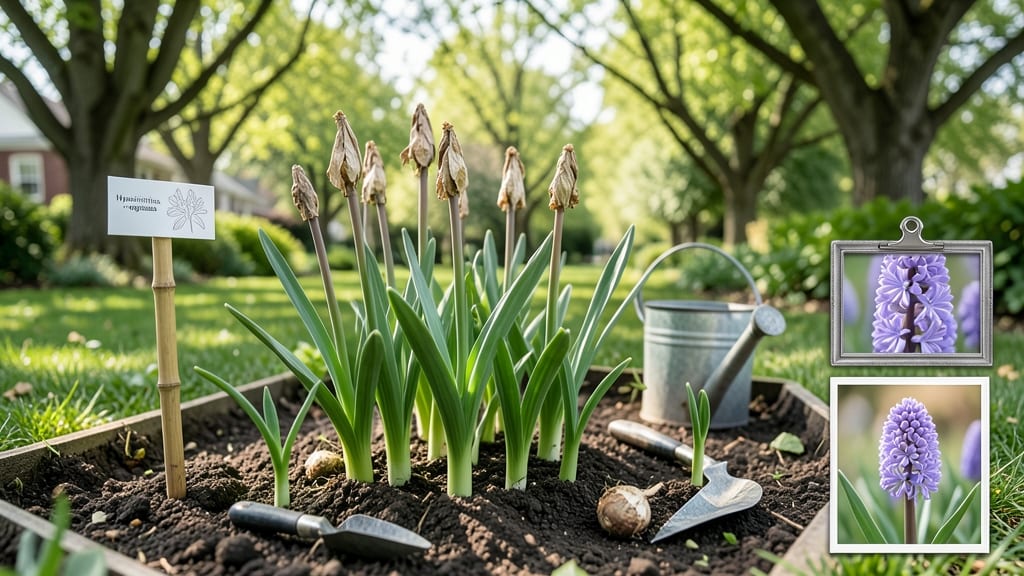
Whether hyacinths bloom more than once depends on the variety and care—most bloom just once per season, but species like Hyacinthus orientalis can rebloom with proper aftercare, including deadheading, controlled dormancy, and annual bulb division.
Most gardeners know hyacinths for their dramatic spring displays, but the key to repeat blooms lies in understanding their natural growth cycles. 🌸 The bulbs store energy for one big show each year, and forcing them to rebloom requires balancing their needs—like providing nutrient-rich soil and protecting them from extreme heat or cold during dormancy.
Even then, hybrids often need division every 2-3 years to prevent overcrowding, which can reduce flowering vigor.
For those eager to see hyacinths bloom again, timing matters most. After the first flush of flowers fades, remove spent blooms promptly to redirect energy back to the bulb. In late summer, feed them with a low-nitrogen fertilizer to encourage root development for next season.
Some gardeners even report success with partial winter chilling—mimicking their natural dormancy period—to coax a second bloom cycle in mild climates.
💡 In This Article
- Why Most Hyacinths Bloom Only Once Per Year
- How to Encourage Repeat Blooming in Hyacinths
Why most hyacinths bloom only once per year
Hyacinths follow a strict biological rhythm where their bulbs allocate nearly all stored energy to a single, spectacular bloom cycle each spring. This happens because the bulb acts like a battery—it collects nutrients over months of dormancy, then expends them in one burst of growth.
The flower stalk (called a scape) emerges from the bulb's center, competing with the leaves for energy. Once the blooms open, the bulb's reserves are significantly depleted, leaving little left for a second round. 🌱
The natural dormancy period after blooming is critical. Hyacinths enter a state of rest triggered by shortening daylight hours and cooling temperatures, typically in late spring or early summer. During this time, the bulb focuses on replenishing its energy stores rather than producing new flowers.
In warmer climates (USDA zones 8-10), this dormancy can be disrupted, but the bulb still prioritizes root and leaf growth over flowering. Even with ideal conditions, most commercial hybrids like 'Anna Marie' or 'Woodstock' are bred for showy single-season displays rather than repeat blooming.
Climate plays a surprising role in reblooming potential. Hyacinths native to Mediterranean regions (like Hyacinthus orientalis) evolved in areas with distinct seasonal changes, which sync perfectly with their bloom-and-rest cycle.
In contrast, hybrids grown in temperate zones with mild winters may struggle to enter true dormancy, leading to weaker or no reblooming. The bulb's internal clock—controlled by hormones like gibberellins—is finely tuned to these seasonal cues, making it difficult to override without precise aftercare. 🌿
Bulb exhaustion is another key factor. Each flowering cycle draws from the bulb's finite energy reserves. Over time, without proper care, the bulb's ability to produce flowers weakens. This is why gardeners often see hyacinths decline after 3-5 years unless they're divided and replanted.
The process of bulb division actually helps by redistributing nutrients and preventing overcrowding, which can stress the plant and reduce flowering vigor. Even with perfect care, most gardeners find that hybrids bloom just once before needing replacement bulbs.
What most people don't realize is how light exposure affects reblooming. Hyacinths need 6-8 weeks of complete darkness after flowering to properly rest and recharge. In urban gardens with artificial lighting or long summer days, this natural darkness period is shortened, preventing the bulb from fully resetting.
This is why indoor-forced hyacinths (often sold in grocery stores) rarely rebloom—they're grown under controlled conditions that skip the essential dormancy phase. 💡