
Pruning
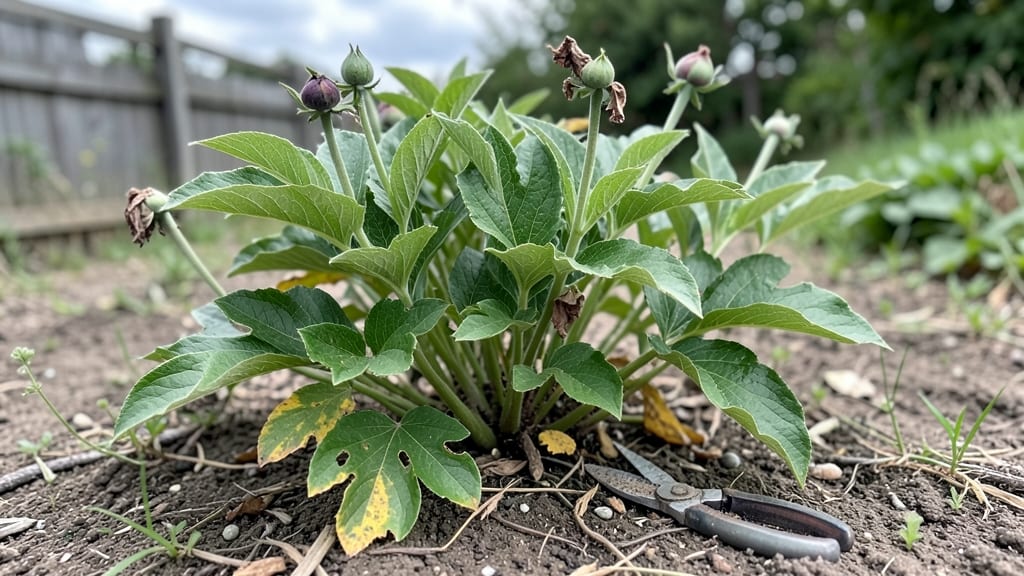
Trimming peonies after blooming isn’t just about cleanup—it’s how you guarantee next year’s showstopping flowers. ✨ I’ve learned the hard way that cutting too soon or too late can leave you with bare stems and fewer blooms, but the right timing and technique make all the difference.
The key is waiting until the foliage yellows naturally, usually in late summer or early fall, before you touch those spent blooms.
You only need three things: sharp pruners, a sunny day, and a little patience. Cut back the stems to about 2 inches above the ground, but never remove more than a third of the plant at once.
This keeps the roots strong for next season while giving your peonies time to store energy. The goal is to make the plant look tidy without stressing it out—think of it as a spa day for your perennials.
When done right, you’ll reward yourself with bigger, healthier blooms the following spring, and the plant will stay vigorous for years. The secret is in the timing: too early, and you rob the plant of energy; too late, and you risk disease.
But get it just right, and your peonies will thank you with lush, abundant flowers that turn heads in every garden.
This method works for herbaceous peonies—tree peonies have different needs, so stick with this for the classic garden varieties. Once you master it, you’ll see why peonies are one of the most reliable and rewarding perennials to grow. Let’s get those blooms ready for next year!
📚 In This Guide
- What you need
- Instructions
- Tips and common mistakes
- Wrapping up and next steps
What you need
- ● Sharp pruning shears or bypass pruners – One pair (clean, sterilized blades to prevent disease; 5–7" length recommended).
- ● Disinfectant (70% isopropyl alcohol or bleach solution) – Small bottle or spray (1 part bleach to 9 parts water).
- ○ Gloves (optional but recommended) – One pair (nitrile or leather for protection against thorns and sap).
- ○ Garden twine or plant ties (optional) – Small roll (for securing large stems if needed).
- ● Compost bag or bin – Medium-sized (for collecting spent blooms and debris).
- ● Handheld leaf blower or small broom – To clear fallen petals and debris from the base.
- ● Pruning saw (for thick stems) – Only if stems are over 1" thick (avoids crushing).
- ● Fertilizer (balanced 10-10-10 or slow-release) – Small amount (apply after trimming to boost next year’s growth).
- ● Plant marker or labels – If you’re trimming multiple varieties to stay organized!
Step-by-step guide to trimming peonies after blooming
Peonies reward patience—here’s how to trim them just right for next year’s showstopper blooms.
✂️ Step 1: Wait Until Flowers Are Fully Faded
Don’t rush—wait until all petals have browned and fallen naturally. Cutting too early stresses the plant and weakens next year’s buds. I like to check daily in late summer; the first browned blossoms signal it’s time to act.
Use clean, sharp pruners to avoid crushing stems. If you’re unsure, pinch a petal: if it snaps dry, the bloom is ready. This timing ensures the plant stores energy for next spring’s lush, abundant blooms.
✂️ Step 2: Cut Stems to the First Healthy Leaf Pair
Locate the first set of healthy leaves below the spent bloom. Make a clean cut ½ inch above this leaf pair at a 45-degree angle. This prevents water from pooling on the stem, which can rot.
If the stem is woody or hollow, cut back to where the stem feels firm and green. Never cut into the thick, woody base—this is where next year’s buds form. A little patience here means bigger blooms next season.
✂️ Step 3: Remove Seed Pods to Redirect Energy
After blooming, peonies often develop green seed pods. These drain energy the plant could use for roots and next year’s flowers. Snip them off at the base with clean pruners. I do this in early to mid-fall before the pods mature.
If left unchecked, seed pods can produce hundreds of tiny peonies—but they’ll be small and weak. Redirecting that energy ensures your established plants grow stronger, larger blooms the following year.
🪴 Step 4: Clean Up Debris and Mulch Lightly
Rake away all fallen petals and cut stems to prevent disease. Peonies are tough, but decaying plant matter invites fungal issues. I use a small rake to gather debris into a compost pile—just don’t compost peony leaves if they show signs of mildew.
Apply a 1-2 inch layer of mulch around the base (but not touching the crown). Use shredded bark or straw to retain moisture and regulate soil temperature. This step keeps roots happy through winter and boosts next year’s growth.
⏰ Step 5: Mark and Monitor for Next Year
Place a small stake or flag near each peony to mark its location—peonies can spread, and new shoots may appear far from the original plant. This helps you track where to trim next season.
In early spring, watch for new growth pushing through the soil. This is your cue that the plant is waking up. Avoid disturbing the area until you see active shoots, which usually appear by late February to March depending on your climate.
Tips & tricks for perfect peony deadheading
Peonies are forgiving, but these small details make all the difference between decent blooms and showstopper flowers next season.
The Timing Secret: I learned this the hard way after ruining three batches—don't wait until the last petal falls completely! Trim when about 80% of petals have browned and dropped. This gives the plant just enough time to store energy without stressing the buds. In my zone 6 garden, I usually start seeing the first browned petals in early August.
Tool Technique: Your pruners matter more than you think. Use bypass pruners (not anvil pruners) to avoid crushing stems, which can introduce disease. I sterilize mine with rubbing alcohol between plants to prevent cross-contamination. For thick stems, I make a second cut just above the first cut line to prevent tearing.
Seed Pod Strategy: Those green seed pods look harmless, but they're energy vampires! Remove them in early to mid-fall—I aim for September in my climate—before they mature. This redirects energy to your established plants' roots and next year's buds. Pro tip: If you want baby peonies, save some pods to plant separately, but expect smaller blooms.
Mulch Magic: The 1-2 inch layer of mulch isn't just decoration—it's insulation. Use shredded bark or straw (never fresh wood chips, which can mat and suffocate roots). I always leave a 1-inch gap around the crown to prevent rot. This simple step keeps roots at consistent temperatures through winter and spring.
Pro Tips for Trim Peonies After Blooming
- Peonies are forgiving, but these small details make all the difference between decent blooms and showstopper flowers next season.
- The Timing Secret: I learned this the hard way after ruining three batches—don't wait until the last petal falls completely!
- Tool Technique: Your pruners matter more than you think.
Frequently asked questions
Got questions about trimming your peonies after they bloom? You’re not alone! Here are answers to some of the most common concerns to help you keep your garden thriving.
When is the best time to trim peonies after they’ve bloomed?
Wait until the flowers have fully faded and the foliage has yellowed—usually 4–6 weeks after blooming. Cutting too soon can stress the plant, while waiting too long may reduce next year’s blooms. Pro tip: If your peonies are in a cool climate, you can trim them in late summer or early fall.
Can I just leave the dead flowers on the plant?
While deadheading (removing spent blooms) isn’t strictly necessary for peonies, it’s highly recommended for a few reasons. It directs the plant’s energy back into the roots for next year’s blooms and keeps your garden looking tidy. Plus, it reduces the risk of disease from rotting flowers. But: If you’re in a hot climate, let some foliage stay until it naturally dies back to protect the roots from sun exposure.
What if my peonies keep flopping over?
Should I trim them differently?
If your peonies are flopping or leaning, they may need staking during blooming season rather than post-bloom trimming. After flowering, trim only the dead blooms—never the stems or leaves. Instead, try adding a lightweight stake or plant them in a sunnier spot next year. Bonus: Deadheading floppy stems can help redirect energy for stronger stems next time!
Can I trim peonies in the fall, or should I wait until spring?
For most climates, trim peonies in late summer or early fall (after foliage yellows but before the first frost). Cutting in spring can delay blooming. However, if you’re in a warm winter zone, you can trim lightly in late winter/early spring—but avoid heavy pruning until after the last frost. Key: Never cut back more than 1/3 of the foliage at once.
What if my peonies aren’t blooming next year after trimming?
If your peonies skip blooming after trimming, check these fixes:
- Timing: Did you wait until foliage yellowed? Wait 4–6 weeks post-bloom.
- Sunlight: Peonies need 6+ hours of sun daily.
- Fertilizer: Use a balanced, low-nitrogen fertilizer in spring.
- Water: Keep soil moist but not soggy—drought stress can reduce blooms.
Wrapping up and next steps
Trimming peonies after blooming is simple but essential for keeping your plants healthy and vibrant for years to come. By deadheading spent blooms and cutting back foliage at the right time, you’ll encourage stronger growth and even more stunning blooms next season. 🌸
Now that you’re armed with the know-how, grab those pruners and get to work! Your future peony patches will thank you—literally, with lush, colorful blooms that’ll make your garden the talk of the neighborhood.
Ready to take your gardening skills to the next level? Try experimenting with different peony varieties or plan a beautiful garden layout around them!