
Blooming
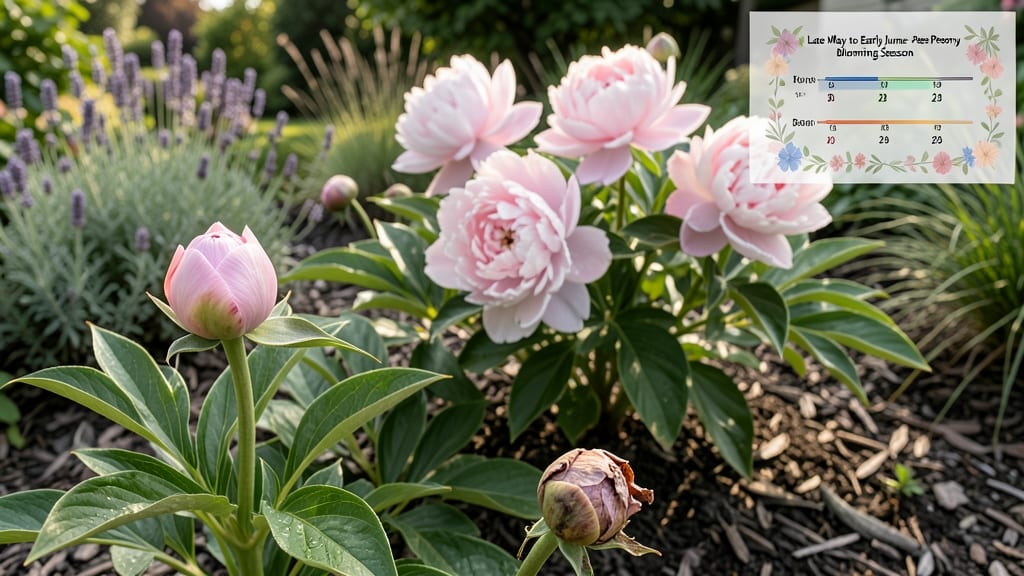
Peonies do not bloom all summer—most varieties flower once in late spring, with reblooming types producing a smaller second flush in early fall. Your choice of variety and consistent care directly impact how often and long they bloom.
Peonies follow a natural seasonal rhythm tied to daylight and temperature changes.
Most garden varieties bloom just once in late spring, while reblooming types may produce a second, smaller display in early fall. 🌸 The difference comes down to genetics—rebloomers have been selectively bred to respond to specific light and temperature cues, allowing them to push out a second flush under ideal conditions.
This means your summer garden won't be bursting with peonies continuously, but with the right care, you can extend their seasonal impact.
What's interesting is how this seasonal behavior varies between herbaceous and tree peonies. Herbaceous types typically bloom once, while tree peonies often produce multiple blooms over several weeks. The key to encouraging reblooming lies in proper pruning, soil health, and avoiding over-fertilization with nitrogen.
I've found that deadheading spent blooms and providing balanced nutrients helps coax those second flushes from reblooming varieties.
💡 In This Article
- Why Peonies Bloom Seasonally: Biology and Variety Differences
- How to Maximize Peony Blooms: Care Tips for Longer Seasonal Display
Why peonies bloom seasonally: biology and variety differences
Peonies follow a strict seasonal rhythm controlled by two key biological triggers: photoperiodism and temperature. During late winter and early spring, peonies require 10-12 hours of daylight combined with consistent temperatures between 40-60°F to initiate bud formation.
This process is called vernalization, where cold exposure breaks dormancy and triggers flowering hormones. Once buds form, warmer temperatures (65-75°F) accelerate bloom development, which is why you typically see peony flowers in late spring.
The difference between single-blooming and reblooming varieties comes down to genetics. Single-blooming peonies (like 'Sarah Bernhardt') produce one spectacular flush of blooms in spring, then focus their energy on developing next year's buds.
Reblooming varieties (such as 'Bowl of Beauty') have been selectively bred to produce a second, smaller flush in early fall by maintaining a balance between bloom production and root growth.
This second flush often appears 6-8 weeks after the first and typically lasts 2-3 weeks, with blooms that are 20-30% smaller than the spring display.
Herbaceous peonies (the most common type) die back to the ground each winter, while tree peonies remain evergreen with woody stems. Tree peonies often bloom slightly later in the season (2-3 weeks after herbaceous types) and may produce multiple blooms over 3-4 weeks rather than a single flush.
The key distinction is that tree peonies can rebloom more reliably because their woody structure stores energy differently than herbaceous varieties.
What most gardeners don't realize is how critical the transition period is between blooms. After the first flush, reblooming varieties need 6-8 weeks of recovery to rebuild energy reserves before producing a second set of buds.
This is why proper care—especially avoiding heavy nitrogen fertilization after the first bloom—is essential for encouraging reblooming. Too much nitrogen promotes leafy growth at the expense of flower buds.
Another fascinating aspect is how peonies respond to light intensity. While they need 6-8 hours of direct sunlight daily for optimal blooming, too much intense afternoon sun in hot climates can actually stress the plants and reduce bloom quality.
This is why peonies often perform better in morning sun with afternoon shade in regions with 90°F+ temperatures, especially during their critical bloom periods.
Consider these key biological factors when selecting varieties: single-bloomers offer one spectacular show, while rebloomers provide extended seasonal interest. The trade-off is that rebloomers typically have slightly smaller flowers and may require more careful management to ensure both flushes appear. 🌿