
Pruning
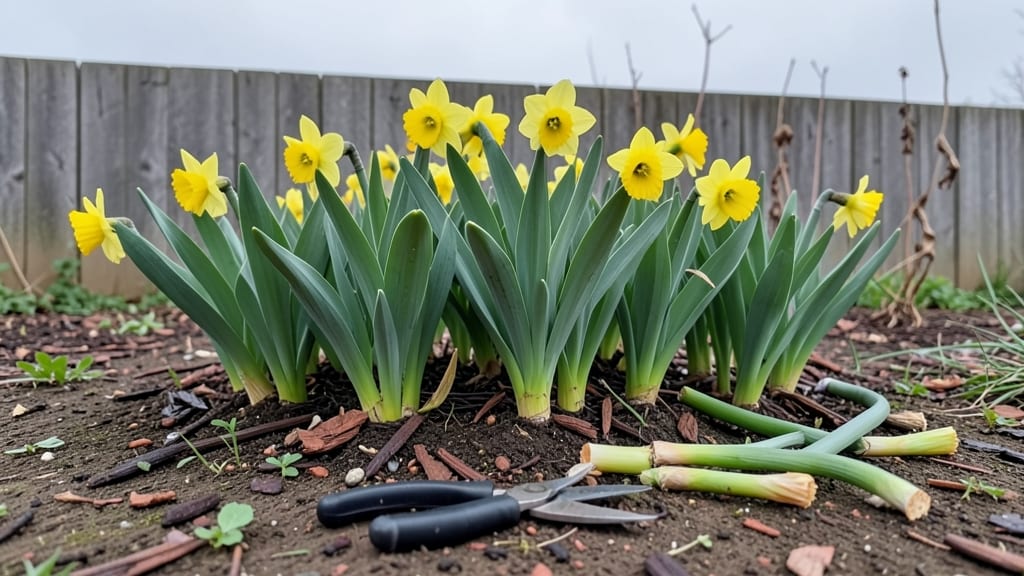
Trimming daffodils after they bloom isn’t just cleanup—it’s the secret to next year’s showstopper display. 🌱 I’ve learned the hard way that leaving foliage too long or cutting stems too soon can weaken those bulbs, leaving you with half-hearted blooms.
The right timing and technique keep your daffodils thriving for seasons to come.
Here’s the truth: you don’t need fancy tools—just a sharp pair of pruners and a little patience. The key is waiting until the yellow leaves turn brown before cutting back, but never before they’ve fully died back.
Most gardeners rush this step, and that’s when bulbs start to struggle. I’ve seen daffodils go from bold, vibrant blooms to sad little sprouts in just one season when this step was skipped.
When done right, you’ll end up with stronger bulbs that multiply naturally over time. The foliage will stay healthy longer, the stems will stay sturdy, and next spring’s blooms will be even more impressive. This isn’t just about looks—it’s about setting up your garden for success without extra effort.
Fair warning: the biggest mistake is cutting too early. If you’re unsure, wait a little longer—those browned leaves are still feeding the bulb. Once you’ve mastered this, your daffodils will reward you with years of effortless beauty. Let’s get those blooms prepped for next season!
📚 In This Guide
- What you need
- Instructions
- Tips and common mistakes
- Wrapping up and next steps
What you need
- ● Pruning shears or sharp bypass pruners: Choose a pair with clean, sharp blades (4-6 inch blades work well for most gardeners). Pro tip: Disinfect blades with rubbing alcohol to prevent disease spread! 💡
- ○ Gloves (optional but recommended): Heavy-duty gardening gloves to protect hands from thorns or sap (look for breathable, durable materials like nitrile-coated fabric).
- ○ Garden twine or plant ties (optional): For securing tall stems if needed (10-15 feet of twine for small patches, more for larger gardens).
- ● Compost bin or bag: To collect trimmed foliage for nutrient-rich compost (1-2 large bins or heavy-duty bags).
- ● Watering can or hose: For post-trimming hydration (1-2 gallons of water per section).
- ● Knee pad or small stool: For comfort while trimming (especially for larger gardens).
- ● Labeling tags: If you’re experimenting with varieties, mark trimmed sections for future reference.
- ● Fertilizer (balanced, low-nitrogen): Like a 5-10-10 blend, to nourish bulbs post-bloom (follow package instructions for application rates).
- ○ Hand lens or magnifying glass: For inspecting bulbs or stems for pests/diseases (optional but handy!).
Step-by-step instructions for trimming daffodils after they bloom
Here's how to keep your daffodils thriving year after year with simple, effective care.
✂️ Step 1: Wait Until Foliage Turns Yellow
Don’t cut back the leaves until they’ve naturally yellowed and started to brown—this is how the bulb stores energy for next spring. I wait until about 60% of the foliage has turned yellow, usually 6-8 weeks after blooming. This timing ensures the bulb replenishes its food reserves.
If you cut too soon, the bulb won’t have enough strength to push up new blooms next year. You’ll know it’s time when the lower leaves turn a dull yellow, but the top third may still look green. This is the perfect moment to act.
🌱 Step 2: Cut Back Foliage Gradually
Use clean, sharp pruners or shears to trim the leaves back by one-third at a time. I like to make the first cut when the foliage is half yellow, half green, then wait 2-3 weeks before removing the rest. This gradual approach prevents shocking the bulb.
Never remove more than one-third of the foliage at once—this drains the bulb’s energy reserves too quickly. Leave the last 2-3 inches of dead leaves until they’ve completely dried and crumbled on their own. This protects the bulb from pests and disease.
💧 Step 3: Remove Flower Stems Immediately After Blooming
As soon as the daffodil blooms fade, snip the flower stems right at the base with your pruners. This redirects the plant’s energy back into the bulb and foliage instead of wasting it on seed production. I always do this within 24 hours of the last petal dropping.
Don’t leave dead flower stems attached—they can harbor pests and fungi. If you’re dealing with a large clump, work in sections to avoid missing any stems. A quick sweep with your hand can help spot any you might have missed.
☀️ Step 4: Monitor Soil and Mulch for Next Season
After trimming, add a 1-2 inch layer of mulch around the base of the plants to protect the bulbs from extreme temperatures. I use shredded bark or straw because it breaks down slowly and improves soil structure over time. Avoid piling mulch directly against the stems.
Keep the area well-drained—daffodils hate soggy roots. If your soil tends to stay wet, consider amending it with a bit of compost or sand before winter. This ensures the bulbs stay healthy and strong for next year’s blooms.
Tips & tricks for perfect daffodil care after blooming
Here's what nobody tells you about keeping your daffodils healthy for years to come.
Timing Secret: The 6-8 week window after blooming is critical for bulb health. I've learned the hard way that cutting too early—when leaves are still green—can starve your bulbs. Mark your calendar when daffodils bloom to track this timing accurately. If you miss the window, you'll know it next spring when fewer blooms appear.
Tool Tip: Use clean, sharp pruners or shears—not dull scissors or your hands. I keep a dedicated pair just for garden tasks to prevent spreading disease. After cutting, wipe the blades with rubbing alcohol to keep them sterile. This small step makes a big difference in bulb longevity.
Visual Cue: When you see about 60% of the foliage turning yellow (with the top third still green), that's your cue to start cutting back. I take a photo of my daffodils at this stage each year as a reference. The yellowing starts at the base and works upward—this is nature's way of telling you when to act.
Mulch Strategy: That 1-2 inch layer of mulch isn't just decoration—it's insulation. I use shredded bark because it breaks down slowly, improving soil structure over time. Apply it after you've finished trimming, but before winter sets in. This protects bulbs from temperature swings that can stress them.
Pro Tips for Trim Daffodils After They Bloom
- Here's what nobody tells you about keeping your daffodils healthy for years to come.
- Timing Secret: The 6-8 week window after blooming is critical for bulb health.
- Tool Tip: Use clean, sharp pruners or shears—not dull scissors or your hands.
Frequently asked questions
Got questions about trimming daffodils after they bloom? You’re not alone! Here are answers to the most common concerns—so you can keep those bulbs happy and blooming year after year.
When should I trim daffodil foliage after blooming?
Wait 4 to 6 weeks after the last flower fades before cutting back the leaves. This lets the bulb store energy for next year’s blooms. Don’t rush! Yellowing leaves are a sign it’s time to trim, but green ones still photosynthesize—leave them be.
Can I trim daffodils right after they bloom?
Nope! Trimming too soon weakens the bulb and reduces next year’s flowers. Think of it like cutting a tree’s leaves mid-summer—it’ll struggle to grow back. Patience is key! Let the foliage turn yellow and wither naturally before snipping.
What if I accidentally trim the leaves too early?
Don’t panic! While early trimming may slightly reduce blooms, your daffodils can still recover. Next year, adjust your timing and wait for the full 4–6 weeks. If the bulb looks weak, fertilize lightly with a balanced formula (like 10-10-10) to help it bounce back.
Do I need to trim daffodil stems after the flowers fade?
Yes! Once the flowers droop and turn brown, you can snip the stems at ground level—but leave the leaves intact. Deadheading spent blooms prevents seed formation (which drains energy) while keeping the foliage intact for bulb health. Pro tip: Use clean, sharp scissors to avoid damaging the plant.
What if my daffodils don’t regrow leaves after blooming?
If leaves fail to emerge, the bulb may be diseased, damaged, or exhausted. Check for signs like rot (soft, mushy bulbs) or pests (chewed leaves). Replant healthy bulbs in well-draining soil and water sparingly. If the soil is soggy, amend it with sand or perlite to improve drainage—daffodils hate wet feet!
Wrapping up and next steps
Trimming daffodils after they bloom isn’t just about tidying up—it’s the secret to stronger bulbs and even more vibrant flowers next spring! 🌱 By following the right steps, you’ll encourage healthy growth, prevent pests, and keep your garden looking its best.
Now that you’re armed with the know-how, there’s no better time to grab those shears and give your daffodils the care they deserve.
Ready to make your garden shine? Start by inspecting your blooms today—your future floral display will thank you!