
Flowers
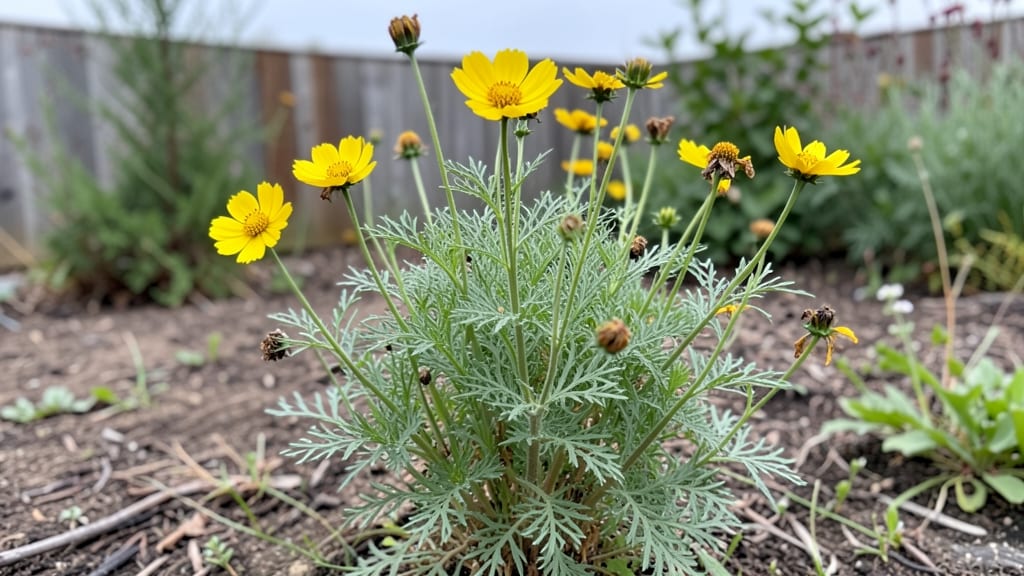
When a plant’s flowers turn yellow, it usually signals overwatering, nutrient deficiencies like nitrogen or magnesium, or natural aging. Check soil moisture, adjust watering, and fertilize with balanced plant food or Epsom salt to restore vibrancy.
Yellowing petals often reveal deeper issues—like soggy roots from overwatering or a cry for nutrients. 🌱 For instance, magnesium deficiency (common in acidic soils) causes yellowing between leaf veins, while nitrogen shortages lead to pale, weak blooms.
I’ve found that testing soil pH and amending it with lime or compost can make a huge difference, especially for heavy feeders like roses or hydrangeas.
Don’t overlook natural aging, though—some flowers (like daffodils) fade as part of their lifecycle. The key is observing the pattern: sudden yellowing on one branch? Likely a localized issue.
Whole plant struggling? Time to reassess your care routine. A quick fix is often a balance of proper drainage and a gentle fertilizer boost.
💡 In This Article
- Overwatering vs. Nutrient Deficiency: Key Differences in Yellow Flowers
- Step-by-Step Fixes for Reviving Yellowing Flowers in Houseplants and Garden Plants
Overwatering vs. nutrient deficiency: key differences in yellow flowers
Here's what's actually happening when your plant's blooms lose their color: Overwatering triggers a cascade of problems starting with root rot, where fungal pathogens like Phytophthora thrive in waterlogged soil.
This disrupts the plant's ability to absorb oxygen, causing it to signal distress through yellowing petals as a survival mechanism. The roots begin to suffocate within 24-48 hours of prolonged saturation, releasing toxins that travel up the stem.
The science gets even more specific with nutrient deficiencies. Magnesium deficiency, for example, causes yellowing between leaf veins (a condition called interveinal chlorosis) because magnesium is crucial for chlorophyll production. In flowers, this often appears as a dull, pale yellowing that starts at the base of petals.
Soil pH plays a critical role here—magnesium becomes less available when soil pH drops below 6.0, which is why many gardeners see this issue in acidic soils common to regions like the Pacific Northwest.
You can distinguish between these issues by examining the plant's overall health. Overwatered plants often show mushy stems, foul-smelling soil, and a general wilting despite moist conditions. The yellowing appears uniformly across all blooms and leaves.
In contrast, nutrient deficiencies typically cause stunted growth, purple-tinged stems (a sign of phosphorus deficiency), or crispy leaf edges (potassium deficiency), with yellowing appearing in specific patterns like between veins or on older leaves first.
Consider this comparison: A rose bush with yellowing blooms and a musty soil odor is likely overwatered, while a hydrangea with yellowing petals but firm stems and dry soil is probably suffering from iron deficiency (common in alkaline soils).
The key factor is how quickly the symptoms appear—overwatering issues develop in days, while nutrient deficiencies unfold over weeks or months as stored reserves are depleted.
What most people don't realize is that both conditions can create a feedback loop. Overwatering leaches nutrients from the soil, accelerating deficiencies. For instance, nitrogen (a mobile nutrient) will wash out of saturated soil, leaving plants with weak stems and pale yellow blooms.
This is why many gardeners see both problems simultaneously—what appears to be one issue is often a compounded problem requiring both water management and targeted fertilization.
For a quick diagnostic test, gently tug on a few leaves. If they pull away easily with little resistance, your plant is likely overwatered. If the leaves feel brittle and break with a crisp snap, you're probably dealing with a nutrient deficiency.
The texture difference comes from cell structure breakdown in waterlogged roots versus the dry, papery feel of nutrient-starved foliage.