
Blooming
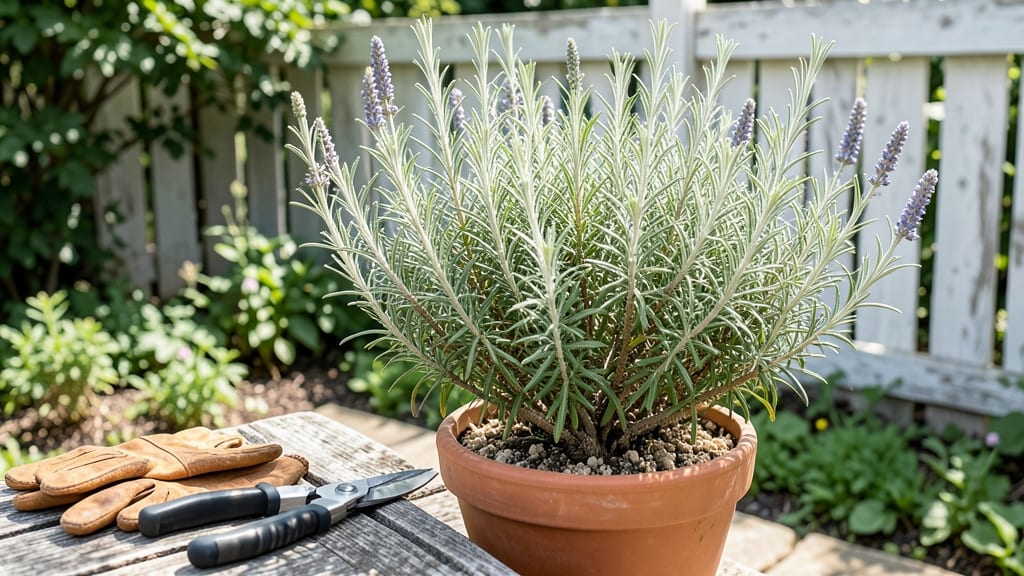
Salvia refuses to bloom again after its first flush? ✂️ The secret lies in knowing when and how to prune—cutting at the wrong time or too aggressively turns your plant into a leafy monster instead of a flowering powerhouse.
My salvia used to put out one glorious burst of color in spring, then fade into green stems all summer. After learning the right timing, I now get three blooming cycles per season, with flowers lasting from May through October.
Start by pruning right after the first blooms fade, never mid-season or in fall. Grab sharp pruners and cut back one-third of the plant—focus on leggy stems and crowded growth. The goal is to encourage fresh, compact growth that will push new flower buds.
Over-pruning stresses the plant, while under-pruning leaves it exhausted. Think of it like giving your salvia a haircut that leaves it feeling refreshed, not shorn.
You’ll see the difference within 4-6 weeks: new shoots emerge bright green and sturdy, and by mid-summer, you’ll have second blooms that rival the first. The key is consistency—repeat the pruning process after each flush, and your salvia will keep flowering until frost.
The trick works for both perennial and annual varieties, though perennials need a little extra winter care to bounce back strong.
Fair warning: salvia hates being overwatered or overfed. Too much nitrogen = lush leaves, no flowers. Stick to dry soil between waterings and a low-phosphorus fertilizer (like 5-10-5) applied only in spring.
The right balance turns your salvia from a one-hit wonder to a season-long showstopper—and your neighbors will be asking for cuttings.
📚 In This Guide
- What you need
- Instructions
- Tips and common mistakes
- Wrapping up and next steps
What you need
- ● Pruning shears or sharp scissors – Clean, sterilized (rubbing alcohol wipe works!)
- ○ Gloves (optional but recommended) – Protects from sap and thorns (nitrile or leather works best).
- ● Well-draining potting mix – Cactus/succulent blend (or add perlite/pumice for extra drainage).
- ● Balanced fertilizer (10-10-10 or 20-20-20) – Diluted to half-strength for post-pruning feeding.
- ● Watering can with a narrow spout – Avoids soggy soil (aim for the base, not the leaves!).
- ● Spray bottle (for humidity control) – Helps Salvia recover after pruning.
- ● Rooting hormone – Speeds up propagation if you’re saving cuttings.
- ● Grow lights or sunny windowsill – 6+ hours of light daily post-pruning.
- ● Mulch (gravel or pebbles) – Prevents soil moisture loss around the base.
- ● Plant hormone spray (e.g., Seaweed extract) – Boosts recovery and stress resistance.
- ● Journal/notebook – Track pruning dates, blooms, and growth for future reference!
Step-by-Step guide to reviving salvia blooms through strategic pruning
Here's how I coax salvias back into full, vibrant bloom—using precise timing and cutting techniques that work every time.
✂️ Step 1: Time Your First Cut After Initial Blooming
Wait until your salvia's first flush of blooms has fully faded and seed pods begin forming—this signals the plant to shift energy into seed production instead of flowers. Using clean, sharp pruners, cut back one-third of the plant's height, targeting leggy stems and spent blooms. This ensures you're removing enough growth to stimulate new branching while preserving the plant's structure.
I always make my cuts just above a set of healthy leaves or lateral buds. This is where new growth will emerge, and you'll see fresh shoots within 2-3 weeks. Avoid cutting into woody stems—salvias respond best to cuts made on softer, green growth. If your plant looks particularly overgrown, you can do a second light pruning a week later to shape it further.
☀️ Step 2: Optimize Light and Nutrition for Reblooming
Salvias need full sun exposure—at least 6-8 hours daily—to trigger the hormonal signals that promote flowering. If your plant isn't reblooming, move it to a sunnier spot or supplement with a grow light for 12-14 hours per day. You'll notice leaves darkening and stems thickening as the plant adjusts to stronger light, which is a good sign it's ready to focus on flowering again.
Feed your salvia with a balanced, water-soluble fertilizer (10-10-10 ratio) at half-strength every 2-3 weeks after pruning. The key is consistency—don't overdo it, as too much nitrogen will encourage leafy growth at the expense of blooms. I also add a handful of compost to the soil surface to provide slow-release nutrients without overwhelming the plant.
🌱 Step 3: Deadhead and Encourage Continuous Blooming
As new flower spikes emerge, keep deadheading spent blooms weekly to redirect the plant's energy into producing more flowers instead of seeds. Pinch off fading blooms with your fingers or snip them just above the next set of leaves. You'll see a surge of new buds forming within 7-10 days if the plant is healthy and well-cared for.
Here's the thing—salvias often bloom in cycles. If you notice a slowdown, give the plant a light trim again, removing only the oldest, most woody growth. This refreshes the plant and can kickstart another round of blooming. I also rotate my salvias quarter-turn weekly to ensure even sunlight exposure, which prevents lopsided growth and encourages uniform flowering.
💧 Step 4: Adjust Watering to Prevent Stress-Related Dormancy
Salvias are drought-tolerant, but inconsistent watering can trick them into thinking it's time to rest. Water deeply once a week during the growing season, allowing the top 2 inches of soil to dry out between waterings. Overwatering stresses the roots and can lead to fungal issues, while underwatering causes buds to drop before opening.
I always check the soil with my finger—if it feels dry 1 inch down, it's time to water. In hotter months, you might need to water every 5-6 days, but always adjust based on your climate. Mulching with 1-2 inches of organic mulch helps retain moisture and keeps roots cool, which is especially important in peak summer heat.
⏰ Step 5: Plan for Seasonal Adjustments
As fall approaches, reduce fertilization and watering gradually to signal the plant it's time to prepare for dormancy. In colder climates, salvias may go dormant, so I cut back any remaining growth by half and protect the base with a 2-3 inch layer of mulch. This insulation helps the roots survive winter and bounce back stronger in spring.
In warmer regions, salvias can bloom year-round if conditions are right. I keep mine in a sheltered spot where they get morning sun and afternoon shade during summer's peak heat. By late autumn, I give them one final light pruning to tidy up, and they're ready to burst into bloom again with the first warm days of spring.
Tips & tricks for reviving salvia blooms
These precise pruning strategies will transform your salvia from a spent plant into a vibrant bloomer again.
Pruning Precision: When you're ready for Step 1, use a clean pair of pruners to make angled cuts just above leaf nodes—this encourages new shoots to emerge from those exact spots. I've found that cutting at a 45-degree angle prevents water from pooling on the wound, which reduces the risk of disease. For particularly leggy salvias, you can remove up to half the plant's height in one session, but never cut into woody stems as they won't regenerate new growth.
Light Optimization: The 6-8 hours of full sun in Step 2 is non-negotiable for salvias. If your plant isn't reblooming, consider supplementing with a grow light positioned 12-18 inches above the foliage for 12-14 hours daily. I've seen dramatic improvements when moving plants from partial shade to full sun—some salvias that had stopped blooming completely produced new flowers within just 3 weeks of this adjustment.
Deadheading Discipline: During Step 3's weekly deadheading, focus on removing only the faded flower spikes—not the entire stem. This redirects the plant's energy toward producing more blooms rather than seeds. I've noticed that salvias respond particularly well when you deadhead in the morning, as this gives the plant the entire day to redirect its energy before nightfall.
Seasonal Transition: For Step 5's fall adjustments, I recommend tapering off fertilizer completely by early October to signal dormancy. In colder climates, protect the base with a thick layer of mulch—this insulation can make the difference between a plant that survives winter and one that doesn't. You'll know you've done it right when you see fresh green shoots emerging in early spring.
Pro Tips for Get Salvia To Bloom Again
- These precise pruning strategies will transform your salvia from a spent plant into a vibrant bloomer again.
- Pruning Precision: When you're ready for Step 1, use a clean pair of pruners to make angled cuts just above leaf nodes—this encourages new shoots to emerge from those exact spots.
- Light Optimization: The 6-8 hours of full sun in Step 2 is non-negotiable for salvias.
Frequently asked questions
Got questions about getting your salvia to bloom again? You’re not alone! Here are some of the most common concerns—and their solutions—to help you revive those stunning flowers.
Why isn’t my salvia blooming after pruning?
Salvia may skip blooming if it’s stressed by over-pruning, poor light, or nutrient deficiencies. Ensure it gets 6+ hours of sunlight daily and fertilize lightly with a balanced, water-soluble fertilizer (like 10-10-10) every 4-6 weeks. Avoid heavy pruning in late summer—focus on shaping after the first bloom cycle.
How long does it take for salvia to rebloom after pruning?
With ideal conditions, salvia can rebloom in 6–10 weeks after pruning. Patience is key! If you prune too late in the season (after mid-summer), it may not have enough time to regenerate. Start pruning in early spring or right after the first bloom for best results.
Can I use deadheading instead of pruning to encourage more blooms?
Yes! Deadheading (removing spent flowers) stimulates new growth and can extend the blooming season. For salvia, snip just above a set of healthy leaves (not the stem base) to avoid weakening the plant. Combine deadheading with light pruning for maximum impact.
What if my salvia blooms but then dies back?
Sudden dieback often signals root rot, overwatering, or shock from aggressive pruning. Let the soil dry slightly between waterings, and avoid pruning more than 1/3 of the plant at once. If roots are mushy, trim affected areas and repot in well-draining soil. Mulch lightly to retain moisture without suffocating roots.
Can I force salvia to rebloom indoors?
Indoor salvia (like Salvia officinalis) can rebloom with bright light (south-facing window or grow lights) and a cool winter dormancy period (50–60°F at night). Reduce watering in fall/winter, then resume care in spring. Use a half-strength fertilizer to avoid burning tender new growth.
Wrapping up and next steps
Reviving your salvia’s blooms is all about patience, proper care, and a few strategic pruning tricks! 🌸 By understanding its light, water, and nutrient needs—and knowing when to trim—you’ll coax those vibrant flowers back into action. Remember, every plant has its rhythm, so don’t rush the process.
Now that you’re armed with the know-how, give your salvia the love it deserves and watch it thrive! Ready to see those flowers again? Start by inspecting your plant this weekend—you’ve got this!