
Blooming
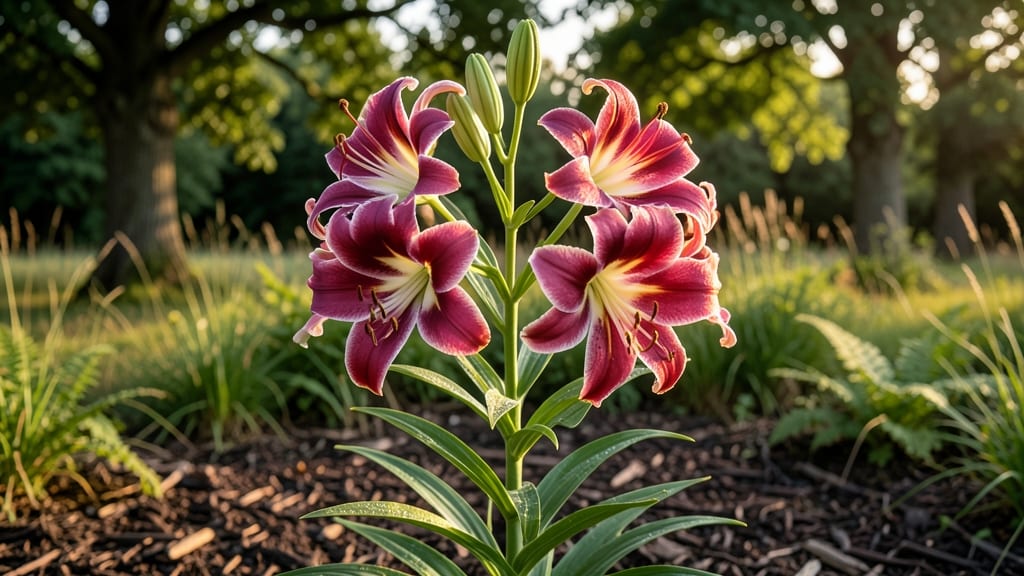
Creating double bloom lilies is easier than you think—just prune at the right time. ✂️ I’ve turned my single-stemmed lilies into lush, multi-blooming showstoppers by mastering the timing and technique, and you can too.
The secret lies in understanding when to cut back old stems while encouraging new growth, a process that transforms ordinary lilies into garden superstars.
You’ll need sharp pruners, a sunny spot with well-draining soil, and patience—about 6-8 weeks between blooms. Most gardeners stop after the first flush of flowers, but with the right approach, your lilies will reward you with a second wave of blooms by mid-summer.
The key is balancing pruning with proper fertilization and watering to keep the plants strong enough for a second push.
Imagine your garden in July, bursting with rich, velvety petals in shades of pink, gold, and deep purple—all from the same plants that once gave just one bloom.
The trick is cutting back stems right after the first flowers fade, leaving just the lower leaves to feed the plant for its next round. Staking may be needed for taller varieties, but the effort pays off in dramatic, repeat performances.
This method works for both Asiatic and Oriental lilies, though tropical varieties may need extra care in cooler climates. Whether you’re a beginner or a seasoned gardener, these techniques will give your lilies the edge they need to shine twice. Let’s get those blooms going!
📚 In This Guide
- What you need
- Instructions
- Tips and common mistakes
- Wrapping up and next steps
What you need
- ● Double Bloom Lily Bulbs: 3–5 healthy, mature bulbs (choose Asiatic, Oriental, or Martagon hybrids for best results).
- ● Well-draining potting mix: 2–3 gallons (use a blend of peat moss, perlite, and compost in a 50/30/20 ratio).
- ● Pruning shears: Sharp, sterilized shears (or clean scissors in a pinch).
- ● Fertilizer: Balanced granular (10-10-10): 1 tbsp per bulb at planting.
- ● Bloom booster (e.g., 5-10-5): 1 tbsp mid-season (6–8 weeks after planting).
- ● Mulch: 2–3 inches of straw or shredded bark to retain moisture.
- ● Gloves: Heavy-duty garden gloves (lily sap can irritate skin!).
- ● Watering can or hose: With a gentle spray nozzle (avoid soggy soil!).
- ● Stakes or supports: 4–6 bamboo stakes (6–12 inches tall) for tall stems.
- ● Lily-specific fungicide: (e.g., Neem oil) to prevent botrytis blight.
- ○ Grow lights (optional): LED bulb (12–15W) for indoor forcing (12+ hours/day).
Step-by-step instructions for forcing double bloom lilies
Here's how I coax lilies to produce two flushes of blooms per season with precise pruning and care.
✂️ Step 1: Prune After First Bloom Fade
Wait until the first bloom cycle completes naturally—petals fully brown and stems droop. Then, cut the flowering stalk back to 6 inches above the ground, but leave the lower leaves intact. This preserves the bulb's energy reserves while redirecting growth toward next season's buds.
I always use clean, sharp pruners to avoid tearing stems. The goal is to remove only the dead flower stalk while keeping the foliage alive for 6-8 more weeks. This extended leaf period is critical—it's how the bulb stores energy for that second bloom.
If your lilies are still green after the first bloom, don't cut them back yet. The plant needs to complete its natural cycle before you can force reblooming. Patience here prevents weak second blooms.
🌱 Step 2: Fertilize and Water Strategically
After pruning, apply a balanced 10-10-10 fertilizer at half strength to encourage new growth. I use about 1 tablespoon per bulb, worked into the soil around the base. This gives the plant the nutrients it needs to develop secondary flower buds without overloading it.
Water deeply immediately after fertilizing, then maintain 1 inch of water per week during the foliage's remaining growth period. The soil should stay consistently moist but never soggy—lily bulbs rot quickly in waterlogged conditions. You'll see new shoots emerge from the base within 3-4 weeks.
Here's the thing—don't fertilize again until you see those new shoots. Overfeeding at this stage leads to lush foliage but no flowers. The plant needs to focus energy on bud development, not just leaves.
☀️ Step 3: Monitor Light and Support New Growth
Position your lilies in full sun (6+ hours daily) to maximize photosynthesis for the second bloom cycle. If your climate has intense afternoon sun, provide afternoon shade during peak heat—wilting leaves can't photosynthesize effectively. You'll notice the new stems growing sturdier in bright conditions.
As the second set of flower buds forms, install bamboo stakes or small cages around each plant. Lilies grow top-heavy with their second bloom, and without support, they'll flop over. I tie the main stems loosely with soft garden twine every 4-6 inches to prevent stem breakage.
Watch for bud formation about 8-10 weeks after pruning. The buds will appear smaller than the first bloom's but will gradually swell. This is your confirmation that the energy redirection worked—don't rush this process with additional fertilizers.
⏰ Step 4: Prepare for Second Bloom Season
About 4 weeks before your area's first frost date, reduce watering slightly to harden off the plants. Let the soil dry out between waterings but don't let the foliage wilt completely. This gradual reduction helps the bulbs enter dormancy more smoothly.
When the second bloom cycle completes, follow the same pruning process as before—cut back to 6 inches but leave the leaves. In colder climates, apply 2-3 inches of mulch around the base to protect the bulbs through winter. The mulch insulates without suffocating the plant.
This is where many gardeners make their biggest mistake: removing all foliage after the second bloom. The leaves continue feeding the bulb until they yellow naturally. Only then can you cut them back completely—typically in late fall or early winter.
🌿 Step 5: Winter Care for Next Year's Blooms
In late winter, about 6-8 weeks before your last frost date, remove the mulch and add a slow-release bulb fertilizer around the base. This jumpstarts the bulb's energy production for next season's growth. Water lightly to wake up the soil without disturbing the dormant bulbs.
You'll see the first shoots emerge in 3-4 weeks. At this point, resume regular watering and fertilizing. The key to consistent double blooming is maintaining this cycle year after year—each season's care builds on the last.
Real talk: it takes about 2-3 years of this method to establish truly robust double blooming. The first year might produce only one strong bloom cycle, but with patience, your lilies will develop the energy reserves needed for two full cycles annually.
Tips & tricks for forcing double bloom lilies
These precision techniques will help you coax your lilies into producing two stunning bloom cycles per season.
Pruning Precision: When cutting back to 6 inches, make your cuts at a 45-degree angle just above a leaf node. This angled cut prevents water from pooling on the stem, reducing rot risk. I always sterilize my pruners with rubbing alcohol between cuts—this prevents disease transmission between plants. The goal is clean cuts that heal quickly so the plant can redirect energy efficiently.
Fertilizer Timing: That first application of half-strength 10-10-10 fertilizer right after pruning is crucial—it provides the nitrogen boost needed for new growth without overwhelming the plant. I've found that applying it in the morning gives the roots several hours to absorb nutrients before evening cooling. For the second bloom cycle, wait until you see those new shoots emerge before fertilizing again—this prevents the plant from putting energy into leaves instead of flower buds.
Light Management: The 6+ hours of daily sun requirement is non-negotiable for robust second blooms, but intensity matters too. In hot climates, I use shade cloth (30-50% coverage) during peak afternoon sun to prevent leaf scorch. This maintains photosynthesis without stressing the plant. You'll know you've got the right balance when the new stems grow sturdy but the leaves stay vibrant green—not yellow or brown at the edges.
Support System: Install your bamboo stakes or cages as soon as you see the second set of buds forming—don't wait until the flowers are heavy. I use soft garden twine to loosely tie stems every 4-6 inches, creating a "cradle" that prevents breakage. The key is gentle support: you want to guide growth, not restrict it. Over-tightening can damage stems as they grow.
Pro Tips for Double Bloom Lilies
- These precision techniques will help you coax your lilies into producing two stunning bloom cycles per season.
- Pruning Precision: When cutting back to 6 inches, make your cuts at a 45-degree angle just above a leaf node.
- Fertilizer Timing: That first application of half-strength 10-10-10 fertilizer right after pruning is crucial—it provides the nitrogen boost needed for new growth without overwhelming the plant.
Frequently asked questions
Got questions about growing and forcing double bloom lilies? Here are some of the most common ones—plus expert answers to help you master the art of reblooming!
Can I force double bloom lilies to rebloom every year?
Yes! With the right care, you can encourage reblooming. Focus on pruning precision (removing spent blooms and foliage at the right time), providing consistent moisture, and feeding with a balanced fertilizer (like 10-10-10) every 4-6 weeks. However, some varieties may need 2-3 years to reliably rebloom—patience is key!
When is the best time to prune for reblooming?
Timing is everything! After the first bloom fades, cut the stem just above the first set of leaves (about 6 inches from the base). Wait until the second bloom opens before pruning again—this signals the plant to redirect energy. Never prune after frost or you risk damaging the bulb for next season.
What if my double bloom lilies only produce one flower?
Don’t worry—it’s not a lost cause! Single blooms often happen with younger bulbs or improper care. Boost reblooming chances by:
- Ensuring full sun (6+ hours daily)
- Watering deeply (1-2 inches per week)
- Avoiding over-fertilizing with high nitrogen (it encourages foliage over blooms)
Are there alternatives to double bloom lilies for repeat flowering?
If double bloom lilies seem high-maintenance, consider these reblooming-friendly alternatives:
Variety
Reblooming Notes
Stargazer Lilies
Classic rebloomers with fragrant blooms; prune aggressively after first bloom.
Daylilies (Hemerocallis)
Hardy and prolific—some varieties bloom all summer with minimal care!
Asiatic Lilies
Single-blooming but low-maintenance; great for cut flowers.
Why are my double bloom lilies wilting or dying after flowering?
Wilting post-bloom is often normal—lilies redirect energy to their bulbs for next season. However, if leaves turn yellow or stems collapse:
- Check for botrytis blight (brown spots = fungal issue; treat with neem oil).
- Ensure bulbs aren’t overcrowded (divide if needed).
- Reduce watering once foliage yellows (but keep soil moist until leaves die back naturally).
Wrapping up and next steps
Double bloom lilies are a gardener’s dream—vibrant, repeat-flowering stars that reward patience with stunning displays. By mastering pruning precision and reblooming techniques, you’ll unlock their full potential, transforming your garden into a lush, colorful haven. 🌸
Ready to take the next step? Start small: pick one lily plant, apply these tips, and watch it thrive. Before you know it, your garden will be bursting with double the blooms—and double the joy! Happy gardening! 🌱