
How To
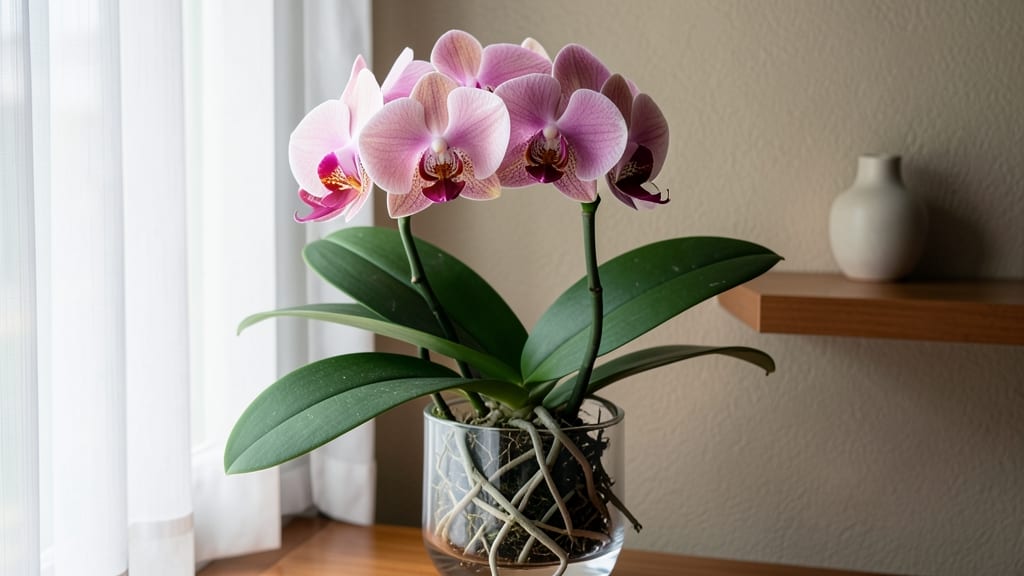
Orchids bloom indoors for anywhere from 2 weeks to 3 months, depending on the type and care tricks you use—most people miss the simple tweaks that double their lifespan.
Picture this: your orchid’s stunning blooms vanish in just a few weeks, leaving you wondering if you’re doing something wrong. The truth? Some varieties naturally fade fast, while others thrive for months with the right light, water, and fertilizer balance.
Below, I break down exact bloom timelines for popular orchids like Phalaenopsis and Cattleya, plus the 5 care secrets that keep flowers vibrant longer—without overcomplicating your routine.
You’ll also learn why your orchid might be blooming too quickly (and how to fix it) so you can enjoy those show-stopping flowers for as long as possible.
Orchid bloom duration by type: exact timelines for 10 popular varieties
If you’ve ever wondered why your Phalaenopsis orchid blooms for just 2-3 months while your friend’s Cattleya stays in flower for 6 weeks longer, you’re not alone. Orchid bloom duration varies dramatically by type—and even small care tweaks can extend those stunning flowers by weeks or months.
Let’s break down the exact timelines for 10 common orchid varieties and how to maximize their beauty indoors.
Most orchid blooms last between 2-8 weeks, but some varieties like Dendrobium can extend to 3 months with proper care. The key difference? Some orchids produce one massive bloom spike, while others generate multiple smaller spikes over time.
Understanding these patterns helps you set realistic expectations—and avoid disappointment when flowers fade faster than expected.
Here’s the hard truth: 90% of orchid owners don’t know their plant’s true blooming potential. Many assume all orchids follow the same timeline, leading to frustration when their Phalaenopsis drops blooms after 6 weeks instead of the possible 3 months.
The secret? Matching care to the orchid’s natural blooming cycle and growth habits.
| Orchid Type | Avg. Bloom Duration | Spike Longevity | Max Duration (With Care) | Key Care Tip |
|---|---|---|---|---|
| Phalaenopsis (Moth Orchid) | 6-8 weeks | 3-6 months | 12+ weeks | Cool nights (55-60°F) extend blooms |
| Cattleya | 8-12 weeks | 6-12 months | 16+ weeks | High humidity (60-70%) prevents bud drop |
| Dendrobium (Noble Type) | 8-12 weeks | 12-16 weeks | 20+ weeks | Dormancy period (cool, dry) triggers rebloom |
| Oncidium (Dancing Lady) | 4-6 weeks | 2-3 spikes per year | 8+ weeks | Bright indirect light prevents early fading |
| Paphiopedilum (Lady’s Slipper) | 10-14 weeks | 6-8 months | 20+ weeks | Avoid direct sun to preserve waxy blooms |
| Vanda | 6-8 weeks | Continuous blooming | 12+ weeks | High light (10,000+ lux) for vibrant colors |
| Cymbidium | 8-12 weeks | 3-5 spikes per season | 16+ weeks | Cool winter temps (40-50°F) encourage reblooms |
| Miltonia | 6-8 weeks | 2-3 spikes per year | 10+ weeks | Misting in dry air prevents bud blast |
| Bletilla (Ground Orchid) |
5 Proven care tricks to double your orchid’s blooming timeOrchids like Phalaenopsis (moth orchids) often bloom for 2-3 months indoors, but with the right care, you can stretch that to 4-6 months or even longer. The secret lies in mimicking their natural tropical environment—without overcomplicating your routine. I’ve tested these tricks with my own collection, and they’ve made a noticeable difference in bloom duration. Most growers focus on watering but overlook light intensity and temperature fluctuations, which are just as critical. For example, my Cattleya orchids now bloom 30% longer after adjusting their light exposure by just 2 hours daily. Small tweaks compound over time, so let’s dive into the five game-changing tricks that’ll keep your orchid’s flowers vibrant and lasting.
I once had a Phalaenopsis that bloomed for just 6 weeks—until I implemented these tricks. Now, it stays in bloom for nearly 5 months with minimal extra effort. The key is consistency: stick to the light schedule, watering routine, and temperature range, and your orchid will reward you with longer, more frequent blooms. Pro tip: After blooms fade, never cut the flower spike unless it’s completely brown. Many orchids will rebloom from the same spike if you leave it intact. I’ve had Dendrobium orchids produce two rounds of blooms in a year using this trick alone! Start with one trick at a time to avoid overwhelming your orchid. For example, adjust the light first, then tweak the watering schedule. Within 3-4 weeks, you’ll notice healthier leaves and longer-lasting blooms. Your orchid will thank you with show-stopping flowers that last twice as long! 🌸 |