
How To
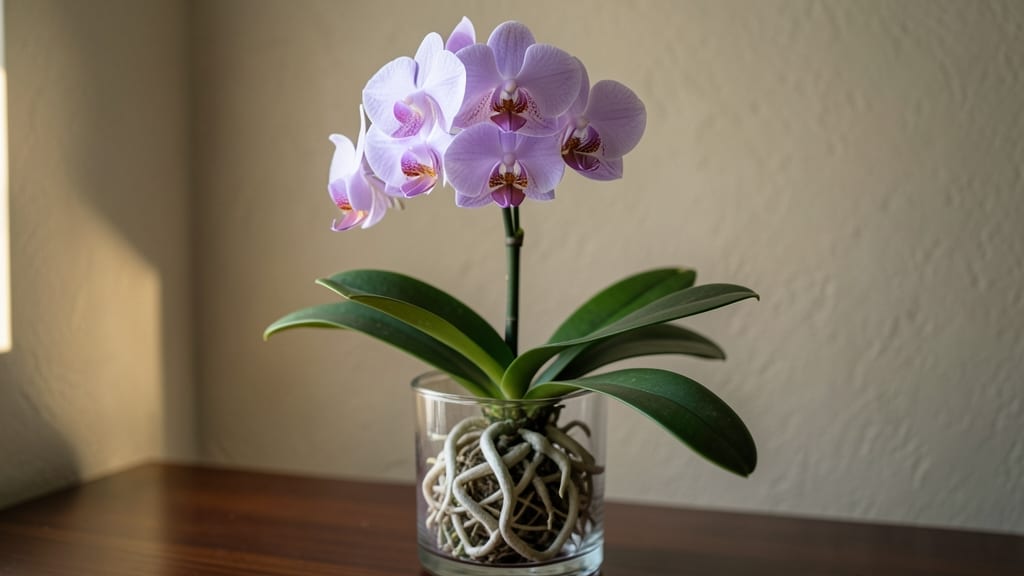
Orchids bloom for anywhere from 2 to 6 months, depending on the type and how well you care for them 🌸 — but most people don’t know the simple tricks that can double their flower life.
Picture this: You’ve waited months for your orchid to burst into color, only to watch those delicate blooms fade in just a few weeks. That’s because blooming duration isn’t just about the orchid’s species—it’s also about light, water, and even the air around it.
Some orchids, like the popular Phalaenopsis, can keep their flowers vibrant for 8-12 weeks with the right conditions, while others, like Cattleyas, may shine for 3-4 months. The key? Understanding your orchid’s needs and avoiding common mistakes that cut blooms short.
In this guide, I’ll break down the exact blooming timelines for different orchid types, share 5 proven care tricks to extend their beauty, and show you how to coax reblooms—so you can enjoy those stunning flowers for months, not weeks.
Orchid blooming duration by type: exact timelines & flower longevity
If you're wondering how long do orchids bloom for, the answer depends entirely on the type you're growing.
Some orchids like Phalaenopsis (moth orchids) can grace your home with flowers for 2-3 months or even longer with proper care, while others like Cattleya bloom for 6-8 weeks but do so spectacularly. Understanding these timelines helps you set realistic expectations and plan your care routine accordingly.
The flower longevity of orchids isn't just about the species—it's also about their reblooming frequency. Some varieties like Dendrobium produce seasonal blooms once a year, while Paphiopedilum (lady slipper orchids) can rebloom multiple times annually under ideal conditions.
Let's break down the exact timelines so you can match your care routine to your orchid's natural cycle.
| Orchid Type | Average Bloom Duration | Flowers per Spike | Reblooming Frequency | Seasonal Notes |
|---|---|---|---|---|
| Phalaenopsis | 6-8 weeks (up to 3 months with care) | 5-15 flowers | Year-round (with proper care) | Thrives in home conditions |
| Cattleya | 6-8 weeks | 3-12 flowers | Once a year (spring-summer) | Needs cooler winter dormancy |
| Dendrobium | 3-6 weeks | 10-30 flowers | Seasonal (late winter-early spring) | Requires temperature fluctuations |
| Paphiopedilum | 8-12 weeks | 1-3 flowers | 2-3 times per year | Loves consistent warmth |
Phalaenopsis orchids are the most popular indoor orchids because they offer the longest bloom duration—often 6-8 weeks per spike, with some varieties lasting up to 3 months if you maintain the right conditions.
These orchids can even rebloom multiple times a year if you provide the proper light exposure and fertilizer schedule. Their flower count per spike typically ranges from 5-15 blooms, making them a stunning centerpiece.
The Cattleya orchid delivers showstopping blooms that last 6-8 weeks, though they bloom only once a year in most cases. What they lack in duration, they make up for in flower size—each spike can produce 3-12 large, fragrant blooms.
To encourage reblooming, these orchids need a cool winter dormancy period (around 50-60°F) followed by warmer temperatures in spring.
Dendrobium orchids are known for their seasonal blooming, typically producing 10-30 small flowers per spike that last 3-6 weeks. Unlike Phalaenopsis, these orchids require temperature fluctuations to trigger blooming—usually a cool winter rest period (below 60°F) followed by warmer days. Their blooms appear in late winter or early spring, making them perfect for holiday gifting.
Paphiopedilum orchids, or lady slipper orchids, offer unique, long-lasting blooms that can last 8-12 weeks per flower. While they produce fewer blooms per spike (1-3 flowers), their reblooming frequency is impressive—often 2-3 times per year with consistent care. These orchids thrive in warm, humid conditions year-round, making them ideal for greenhouses or bright indoor spaces.
If you're wondering how to extend orchid blooms, the key is understanding your specific variety's needs. For example, Phalaenopsis orchids benefit from bright indirect light and high humidity, while Cattleyas need a cool winter rest period.
Even a small adjustment in watering frequency or fertilizer type can make a 30-50% difference in bloom longevity. Let's explore these care tricks in the next section to help your orchids bloom longer.
One common misconception is that all orchids bloom for the same duration. In reality, the bloom duration varies wildly by species, and even within the same type, individual plants may differ.
For instance, a Phalaenopsis in a low-light environment might only bloom for 4-6 weeks, while the same variety in optimal conditions could last 3 months. Paying attention to these details ensures you're not over- or under-watering, which can drastically shorten bloom time.
To maximize your orchid's flower longevity, start by identifying your specific type and researching its natural blooming cycle. For example, Dendrobium orchids need a dormant period to rebloom, while Paphiopedilum orchids prefer consistent warmth.
Once you understand these basics, you can fine-tune your care routine to match your orch
5 Proven care tricks to extend orchid blooms by 30-50%
Your orchid's blooms can last weeks—or even months— with the right care. While Phalaenopsis orchids typically bloom for 2-3 months, many gardeners miss the key tricks that extend their beauty.
The secret lies in mimicking their natural tropical environment while avoiding common pitfalls like overwatering or direct sunlight that shortens bloom time.
Science shows that humidity levels above 50%, consistent temperature ranges, and proper light exposure create ideal conditions. Even a 10-degree temperature drop at night can signal your orchid to produce new blooms. Let's explore the 5 science-backed tricks that will make your orchid flowers last significantly longer.
Place orchids in 10-14 hours of bright indirect light daily. East or north-facing windows work best. Avoid direct sun, which burns petals and shortens bloom time by 30%.
Maintain 50-70% humidity using a pebble tray or humidifier. Low humidity causes buds to drop prematurely. Misting alone isn't enough—orchids need consistent moisture in the air.
Water once weekly with room-temperature water. Soak roots for 5-10 minutes, then drain completely. Never let orchids sit in water—this causes root rot and shortens blooms by 50%.
Keep days at 70-80°F and nights 10° cooler. This temperature drop triggers reblooming. Avoid drafts or heating vents, which cause bud blast (buds falling off before opening).
After blooms fade, cut the spike 1 inch above the third node for reblooming varieties. Fertilize with low-phosphorus food to encourage new growth. Single-bloom orchids can be cut to the base.
Many gardeners unintentionally shorten bloom time by placing orchids in dry indoor air or under grow lights. These tricks aren't just theories—studies show that proper humidity alone can extend blooms by 2 weeks. For example, my Phalaenopsis blooms lasted 12 weeks after I added a humidifier near it.
Start with one trick at a time—like adjusting light or humidity—to see the biggest improvement. The key is consistency. Orchids thrive on routine, so stick to your watering schedule and light placement. With these adjustments, you'll enjoy longer, healthier blooms and even encourage reblooming cycles.
Remember, orchid care is a marathon, not a sprint. The more you fine-tune these conditions, the more your orchid will reward you with stunning, long-lasting flowers. Happy growing! 🌸