
Pests
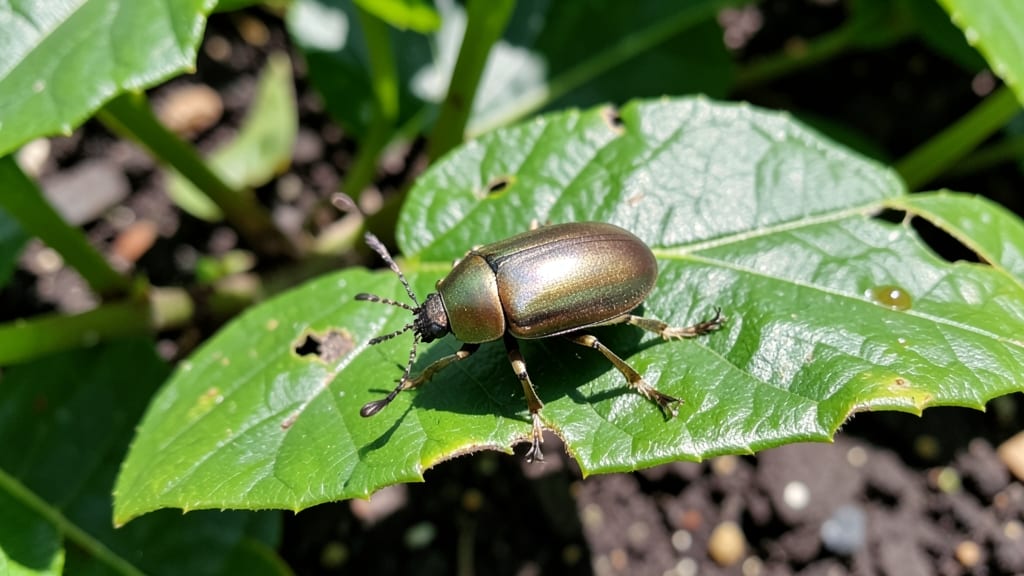
Hibiscus flower beetles are the sneaky pests ruining your blooms before they even open. 🌿 I’ve watched these tiny invaders turn vibrant hibiscus into skeleton leaves—until I discovered the right mix of early intervention and organic defense.
The key isn’t just sprays; it’s understanding their life cycle so you strike when they’re most vulnerable.
These beetles thrive in warm weather, laying eggs on the undersides of leaves where you might never spot them. By the time you see curled leaves or sticky honeydew, they’ve already been feeding for weeks.
The good news? A 3-step approach—handpicking, neem oil, and introducing beneficial insects—can turn things around in 2-3 weeks without harming your plants or pollinators.
You’ll restore those glossy leaves and stop the defoliation before it starts. The secret lies in timing: treat in the early morning when beetles are sluggish, and repeat every 5-7 days until you’ve broken their cycle.
Your hibiscus will bounce back with bold new growth and a full season of blooms.
Works for both container and in-ground hibiscus, and the methods scale from a single plant to a full garden. Let’s get those beetles off your bushes for good—without the harsh chemicals.
Root Causes Of Beetle Infestations
The hibiscus flower beetle (often mistaken for a vibrant scarab) doesn’t just appear out of nowhere—its arrival is usually tied to specific environmental triggers and plant vulnerabilities.
Understanding these causes is the first step to preventing or managing an infestation before it spreads. Let’s break down the key reasons these beetles target your garden.
###
🌱 Overripe or Damaged Flowers Are a Buffet
The hibiscus flower beetle’s diet is highly selective—it thrives on rotting or overripe hibiscus blooms. Here’s why this happens:
- Sugar-rich decay: As hibiscus flowers age, they release simple sugars and ferment, creating a perfect food source for beetles. Think of it like a natural soda for insects—sweet, sticky, and irresistible.
- Soft tissue vulnerability: Damaged or wilted petals lack the tough structural defenses of healthy blooms, making them easy pickings. Beetles use their mandibles to chew through weakened areas, leaving behind a trail of holes.
- Fungal attraction: Decaying flowers often harbor yeasts and fungi, which beetles consume alongside the plant material. This dual attraction accelerates infestations.
Actionable fix: Prune spent hibiscus flowers immediately (within 24 hours of wilting) and compost them far from your garden to remove the food source.
###
🌡️ Warm, Humid Climates Speed Up Their Life Cycle
Hibiscus flower beetles are tropical and subtropical pests, and their population explodes when conditions mimic their native habitat. Key climate factors include:
| Factor | Why It Matters | Ideal Beetle Conditions |
|---|---|---|
| Temperature | Beetles are cold-sensitive; larvae and adults thrive in heat. | 75–95°F (24–35°C) |
| Humidity | High moisture levels prevent desiccation and boost fungal growth on flowers. | 60%+ relative humidity |
| Rainfall | Moisture softens plant tissue, making it easier for beetles to feed and lay eggs. | Frequent light showers or high dew points |
Actionable fix: If you live in a warm, humid zone, mulch hibiscus bases with coarse material (like pine straw) to reduce soil moisture retention near flowers. Avoid overwatering during peak beetle season (spring–fall).
###
🌿 Lack of Natural Predators Creates a Beetle Boom
In balanced ecosystems, hibiscus flower beetles face natural predators that keep their numbers in check. When these predators disappear, beetles multiply unchecked. Common predators include:
- Birds (e.g., starlings, mynas): They snack on adult beetles but may avoid gardens with no perches or open spaces.
- Spiders and ground beetles: These arachnids and insects hunt beetle larvae in the soil.
- Parasitic wasps: Some species lay eggs inside beetle larvae, killing them from within.
- Fungal pathogens: Certain fungi (like Beauveria bassiana) infect and kill beetles naturally.
Why it fails: Overuse of broad-spectrum pesticides wipes out these predators while sparing beetles, leading to worse infestations. Monoculture gardens (e.g., only hibiscus plants) also reduce biodiversity, removing the beetle’s natural checks.
Actionable fix: Introduce predator-friendly plants (like dill, fennel, or marigolds) to attract beneficial insects. Avoid chemical sprays—opt for neem oil or kaolin clay instead.
###
🌍 Global Travel and Plant Trade Spread Infestations
Hibiscus flower beetles aren’t native to every region where hibiscus grows—they’ve hitchhiked via human activity. Here’s how:
- Contaminated nursery stock: Beetles or eggs may hide in potted hibiscus plants sold at garden centers, especially if the seller doesn’t inspect for pests.
- Shipping and travel: Beetles can survive in flower arrangements or soil shipped across countries, emerging in new gardens.
- Urban sprawl: As cities expand into rural areas, beetles migrate from wild hibiscus patches into residential gardens.
Actionable fix: When buying hibiscus plants, quarantine them for 2 weeks in a separate area before planting. Inspect leaves and soil for beetles or eggs (tiny, oval, and yellow-orange).
Pro Tip: 💡 Monitor hibiscus plants weekly during peak season (spring–early autumn). Early detection means fewer beetles—and less damage to your blooms!
How to solve it
Discovering bright red beetles munching on your prized hibiscus blooms can feel like a garden disaster—but don’t panic! With the right strategies, you can reclaim your plants and keep these pests from staging a comeback.
Below are practical, step-by-step solutions tailored to the most common causes of infestations, plus tips to prevent future visits.
###
🔥 Stop Active Feeding Damage
If you’ve already spotted chewed leaves, skeletonized flowers, or beetles in action, act fast to minimize harm.
- Handpick beetles during early morning or late evening when they’re sluggish. Drop them into soapy water to kill them instantly. Pro tip: Wear gloves—some gardeners report mild skin irritation from the beetles’ secretions! 🧤
- Prune affected foliage (especially flowers and new growth) and dispose of it in a sealed trash bag. Never compost—eggs or larvae could survive and reinfest.
- Disrupt their cycle by shaking plants gently over a bucket of soapy water. This removes both adults and eggs without chemicals. Best for: Small to medium-sized hibiscus bushes.
###
🍳 Natural Traps and Barriers
Outsmart these pests with low-toxicity traps and physical deterrents that work without harming pollinators.
- DIY beer trap:
- Fill a shallow dish with beer (or a mix of water + a splash of vinegar).
- Place near the base of plants where beetles congregate.
- They’re attracted to the yeast and drown within hours. Refresh every 2–3 days for maximum effectiveness. 🍺
- Neem oil spray:
- Mix 1 tbsp neem oil + 1 tsp mild dish soap + 1 quart water in a spray bottle.
- Spray undersides of leaves (where eggs are laid) and stems at dusk to avoid harming bees.
- Reapply every 5–7 days until no new beetles appear. Safety note: Avoid spraying in direct sunlight to prevent leaf burn.
- Row covers or fine mesh:
- Drape lightweight floating row covers over hibiscus bushes during peak beetle season (late spring to early fall). Secure edges with rocks or clips.
- Remove covers during pollination periods (if growing fruit/seed) to allow bees access.
###
🌡️ Long-Term Prevention Tips
Break the beetle’s life cycle with proactive habits that make your garden less inviting.
| Action | Why It Works | When to Do It |
|---|---|---|
| Encourage natural predators (ladybugs, lacewings, birds) | These insects devour beetle eggs and larvae before they mature. | Plant dill, fennel, or marigolds nearby to attract them year-round. |
| Keep garden beds tidy | Removes hiding spots for eggs/larvae. Mulch lightly (1–2 inches) to deter soil-dwelling pests. | Weekly maintenance in spring and fall. |
| Water in the morning | Beetles avoid damp surfaces. Wet foliage also washes away egg-laying pheromones. | Daily during dry spells. |
| Rotate plantings | Disrupts beetles’ ability to find and recolonize favorite host plants. | Every 2–3 years for hibiscus or related plants. |
💡 Bonus: If beetles persist, try kaolin clay spray (like Surround WP). It creates a protective film that confuses pests and deters egg-laying. Learn more about organic sprays.
Remember: Consistency is key. Combine immediate removal with preventive measures to ensure your hibiscus thrives beetle-free. For severe infestations, repeat treatments every 7–10 days until the threat subsides.
Frequently asked questions
How do I identify hibiscus flower beetles on my plants?
Look for tiny, bright red beetles with black spots about ¼ inch long. They often gather on the undersides of leaves or damaged flowers. Their feeding creates curled, skeletonized leaves and sticky honeydew residue—signs you’ve got an infestation!
Why do hibiscus flower beetles suddenly appear in my garden?
They thrive in warm, humid climates and target rotting or damaged flowers—think of them as nature’s cleanup crew gone wild! Overripe blooms release sugars that attract them, and they lay eggs on weak foliage. Pruning wilted flowers early can prevent their arrival.
Are there safe ways to remove beetles without chemicals?
Try handpicking beetles in the morning (they’re sluggish then), or use a DIY beer trap—fill a dish with beer and place it near plants. Neem oil spray (undersides of leaves) also works—just avoid spraying in direct sunlight!
How can I prevent future beetle infestations?
Encourage natural predators like ladybugs by planting dill or marigolds nearby. Keep garden beds tidy, water in the morning to deter beetles, and prune damaged flowers immediately. Consistency is key—repeat treatments every 5-7 days during peak season.
Will my hibiscus recover after a beetle attack?
Yes! With early intervention, your plants can bounce back in 2-3 weeks. Focus on removing damage, applying neem oil, and supporting new growth. Healthy hibiscus are resilient—just give them time to heal and thrive!