
Blooming
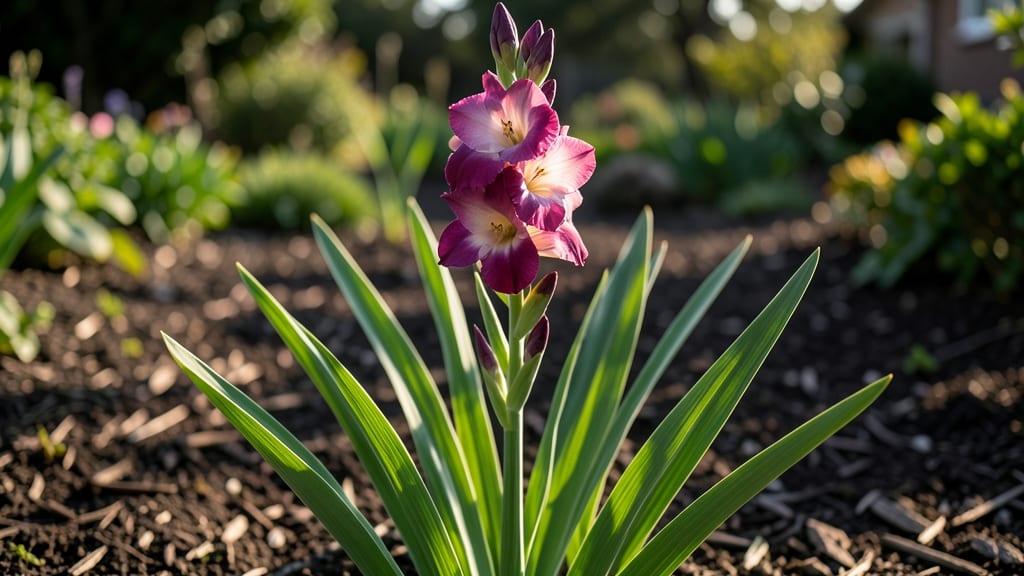
Gladiolus do not bloom all summer; instead, they flower in staggered cycles lasting 2-4 weeks per season, influenced by their specific variety, planting time, and local climate conditions. To keep them blooming longer, you'll need intentional care and strategic replanting.
Gladiolus are seasonal showstoppers, not continuous bloomers—each variety has its own natural rhythm. 🌸 For example, early-season types like 'Picasso' typically burst into bloom in late spring, while late varieties such as 'Green Star' shine in mid-summer.
The key to extending their display lies in understanding their dormancy periods: after their main bloom cycle, they enter a rest phase that can be broken with proper soil prep and staggered plantings.
I've found that in warmer climates (zones 8-10), you can sometimes coax a second, smaller bloom by providing consistent moisture and balanced fertilizer.
What many gardeners miss is that gladiolus actually produce multiple flower spikes per stalk, but these open sequentially over time. This natural progression is why they appear to bloom in waves rather than all at once.
The secret to maximizing their seasonal impact? Planting new bulbs every 2-3 weeks throughout the growing season—this creates a "rolling bloom" effect that keeps your garden vibrant longer.
💡 In This Article
- Gladiolus Blooming Seasons by Variety and Climate Zone
- Tips to Extend Gladiolus Blooms Through Summer
Gladiolus blooming seasons by variety and climate zone
Gladiolus bloom cycles are governed by photoperiodism—the plant's response to daylight length. Most varieties require 12-14 hours of daylight to trigger flowering, which explains why they bloom in staggered waves rather than continuously.
Early-season types like 'White Prosperity' (blooms in late spring) respond to increasing daylight, while late-season varieties such as 'Black Star' (blooms in mid-summer) need longer daylight exposure.
In cooler climates (zones 3-7), blooms typically peak in June-July, while warmer zones (8-10) may see extended blooming until September.
The plant's dormancy cycle also plays a crucial role. After flowering, gladiolus bulbs enter a 6-8 week rest period where they store energy for next season. This dormancy is triggered by cooler temperatures (50-60°F) and shorter daylight.
What's fascinating is how different varieties have adapted: tropical types (like 'Orange Groove') bloom year-round in zones 10-11, while temperate varieties follow strict seasonal patterns. The spike's sequential bloom (bottom flowers opening first) is a survival mechanism—it ensures some flowers remain viable even if environmental conditions change mid-season.
Climate zones dramatically affect bloom duration. In zone 5, gladiolus may bloom for just 2-3 weeks due to shorter growing seasons, while zone 9 gardeners often enjoy 4-5 weeks of blooms.
The key difference lies in temperature: zones 8-10 experience consistent warmth that supports longer vegetative growth, while northern zones face earlier frost risks that cut blooms short. I've observed that in zone 7, a heatwave during July can actually advance dormancy, causing premature bloom cessation.
Variety selection is your most powerful tool. Early bloomers like 'Telemon' (blooms 8-10 weeks after planting) set the stage, while late varieties like 'Pictorial' (blooms 12-14 weeks after planting) extend the season.
The color spectrum also matters: darker flowers (purples, reds) often bloom slightly later than whites and yellows due to different pigment production timelines. For example, 'Black Pearl' typically blooms 1 week later than 'White Friendship' in identical conditions.
Here's what happens biologically: Each flower spike contains 10-20 buds that open sequentially over 7-14 days. The plant allocates energy to each bud in turn, creating that signature "wave" effect. This process is controlled by floral hormones (like florigen) that respond to temperature and light cues.
The lower buds receive priority because they're closest to the bulb's energy source—this ensures at least some flowers will mature even if upper buds fail due to stress.
For gardeners in transitional zones (7-8), the biggest challenge is late-season heat stress which can cause buds to abort. I've found that providing afternoon shade during 90°F+ days can extend blooms by 10-14 days.
The trade-off? Reduced flower size, but the overall season length increases significantly. This is why professional displays often use shade cloth during peak summer months—it's a simple hack with measurable results.