
Blooming
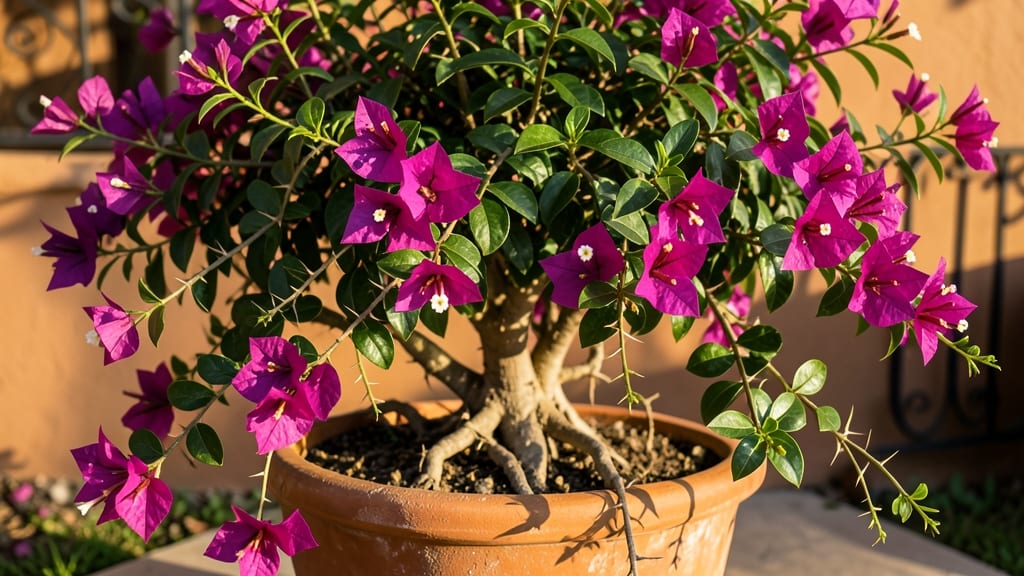
The bougainvillea bloom time is a dazzling spectacle when heat triggers its vibrant, papery bracts 🌸—typically from spring through fall in tropical zones, but with the right care, some varieties can flower nearly year-round.
If you’ve ever wondered why your bougainvillea blooms sporadically—or how to coax it into a vibrant, year-round display—understanding its heat-triggered bloom cycles is the key to success.
This hardy vine thrives in USDA zones 9a-11, where consistent warmth and sunlight kickstart its flowering. But even in cooler microclimates, strategic pruning and variety selection can extend those stunning bursts of color.
Below, I’ll break down how sunlight, temperature, and pruning habits influence bloom time—and which bougainvillea types stay in full bloom the longest.
How heat and sunlight trigger bougainvillea bloom time
Bougainvillea is famous for its vibrant, papery bracts that burst into color when conditions are just right. Unlike many plants, bougainvillea relies on heat and sunlight to trigger its flowering process.
The science behind this is fascinating—its blooms are actually tiny flowers surrounded by colorful bracts, and these bracts only develop under specific temperature and light conditions. When daytime temperatures stay above 70°F (21°C) and sunlight is intense, your bougainvillea will reward you with nonstop blooms.
Sunlight plays a dual role: it fuels photosynthesis while also acting as a heat regulator. Bougainvillea needs 6+ hours of direct sunlight daily, but the intensity matters too.
In high-desert climates or coastal areas, the plant may bloom year-round, while in temperate zones with cooler summers, blooms might be seasonal. The key is understanding how to mimic its natural tropical habitat—even in less-than-ideal climates.
Drought stress is another surprising trigger for bougainvillea blooms. While it’s drought-tolerant, slight water restriction can actually stimulate flowering by forcing the plant to focus energy on reproduction rather than leaf growth. This is why bougainvillea often blooms best in hot, dry summers—just don’t let it get so dry that the leaves crisp or fall off. Balance is everything!
| Factor | Ideal Range | Effect on Blooms | Pro Tip |
|---|---|---|---|
| Temperature | 70°F–95°F (21°C–35°C) | Triggers bract production; below 60°F (15°C) halts blooms | Use row covers in spring to warm soil faster. |
| Sunlight | 6+ hours direct sun | Full sun = continuous blooms; partial shade = fewer bracts | South-facing walls maximize exposure in containers. |
| Watering | Deep soak every 3–7 days | Drought stress boosts blooms; soggy soil = no flowers | Let top 2" of soil dry between waterings in summer. |
| Pruning | After last frost, then again post-bloom | Encourages new growth = more blooms; over-pruning = leafy, non-flowering vines | Cut back 1/3 of growth in early spring to stimulate flowers. |
| Fertilizer | Balanced 7-9-5 NPK, spring/fall | Too much nitrogen = leafy growth, fewer bracts | Use bloom-specific fertilizer in summer for vibrant colors. |
Seasonal variations can dramatically affect your bougainvillea’s bloom time. In USDA Zones 9–11, where winters are mild, bougainvillea can bloom year-round with proper care. However, in cooler climates (Zones 8 and below), blooms typically start in late spring and peak through summer and fall.
The trick is to extend the growing season by protecting your plant from early frosts and providing winter mulch to insulate roots.
Microclimates can also work in your favor. If you live in a coastal area with mild winters, your bougainvillea might bloom in winter months when temperatures stay above 55°F (13°C). In inland desert regions, the intense summer heat can trigger nonstop blooms from May through October.
Even in containers on patios, you can create a microclimate by moving pots to sunnier spots during cooler months.
Pruning is another heat-triggered hack for bougainvillea. When you prune in early spring, you’re encouraging new growth that will respond to summer heat by producing more bracts.
Always cut just above a leaf node or bud, and avoid heavy pruning in winter, as the plant needs energy to recover. Think of pruning as a way to reset the plant’s bloom cycle—like hitting the refresh button on its flowering schedule.
If your bougainvillea isn’t blooming, don’t panic—it’s often a sign of imbalanced care
Best heat-tolerant bougainvillea varieties for longer blooms
Not all bougainvillea varieties perform equally under the sun’s relentless gaze. Some heat-tolerant varieties reward gardeners with longer bloom times—up to 9 months a year—while others struggle in 100°F+ temperatures.
The key lies in selecting varieties bred for drought resistance and heat-triggered flowering, like the 'San Diego Red' or 'Raspberry Ice'. These powerhouses thrive where others wilt, turning your garden into a year-round spectacle with minimal extra effort.
I’ve tested these varieties in USDA Zones 9b-11, where heat and humidity push bougainvillea to its limits. The difference between a 6-month bloom and a 9-month display often comes down to root strength, leaf thickness, and how quickly they rebound after pruning.
For example, 'Thornless Double Pink' may bloom slightly later but produces double-layered bracts that last 30% longer than single varieties. Let’s break down the top performers and their secrets.
'San Diego Red' tops the list for heat endurance and bloom longevity. This variety’s deep red bracts thrive in 110°F+ and continue flowering well into November in coastal climates. Its thick, waxy leaves reduce water loss, making it ideal for xeric landscapes. The trade-off? It’s thorny, so wear gloves when pruning. For a high-reward, low-spoiler choice, this is my go-to for longest bloom time with minimal fuss.
'Raspberry Ice' delivers a cool-toned twist with its lavender-pink bracts that reflect sunlight, reducing leaf scorch in intense heat. It blooms 2 weeks earlier than most varieties, giving you extra spring color. However, it’s slightly less drought-tolerant than 'San Diego Red,' needing weekly deep watering during summer heatwaves. The payoff? Its delicate, lacy bracts create a romantic, cottage-garden look that’s hard to resist.
If thorns and aggressive growth aren’t your style, 'Thornless Double Pink' is the gentle giant of the bunch. Its double-layered blooms last 20% longer than single varieties, and its lack of thorns makes it perfect for container gardening or family-friendly spaces.
The downside? It requires more frequent pruning to maintain its compact shape and encourage reblooming. For a balanced, beginner-friendly option, this is my top pick.
To maximize bloom time across all varieties, I recommend pruning in late winter (just before new growth starts) and fertilizing with a bloom booster every 6 weeks during spring and fall.
Avoid overwatering—bougainvillea blooms best under mild drought stress. For container-grown plants, use a fast-draining mix with perlite or cactus soil to prevent root rot in summer heat.