
Flowers
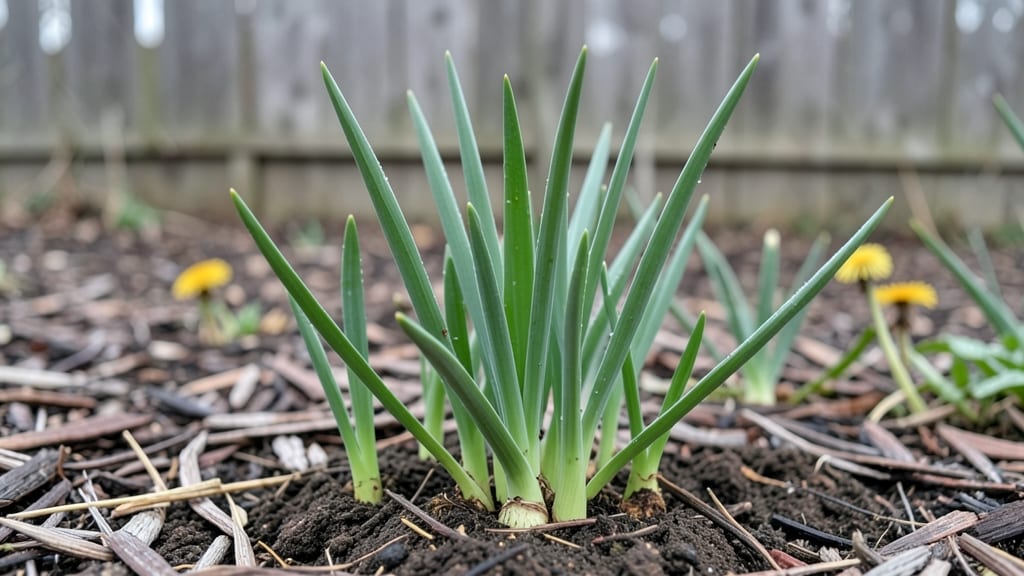
Your gladiolus corms need the right conditions before they bloom 🌸—and missing these early clues can mean the difference between showstopping spikes and disappointing stems.
Gladiolus corms promise stunning summer blooms—but how do you know when they’re truly ready to flower? Miss these key signs, and you might end up with weak stems or no blooms at all. Here’s what to watch for before those iconic spikes emerge.
Start by checking the leaf size—healthy gladiolus should unfurl into fan-like shapes, each blade reaching 4-6 inches long before flowering. Pair that with firm, upright stems and you’re on the right track.
In this guide, I’ll walk you through the 5 visual cues that signal your gladiolus are primed to bloom, plus pro tips to accelerate those vibrant blooms without overdoing it.
5 Visual signs your gladiolus corms are ready to bloom
Gladiolus corms store energy underground for months before sending up those dramatic flower spikes. But how do you know when they’ve finally stored enough reserves to bloom? Many gardeners wait too long, missing the perfect window to enjoy vibrant summer blooms.
The secret lies in these five visual cues that reveal your corms are primed for action.
I’ve grown gladiolus for over a decade, and these signs have never failed me. Whether you’re a newbie or a seasoned gardener, spotting these physical indicators will help you time your care perfectly. Let’s dive into what your corms are telling you before the first bud appears.
Mature fan leaves (the broad, sword-like foliage) should span 12-18 inches in height. Measure from the soil line to the leaf tip—this indicates the corm has photosynthesized enough to support blooming.
Gently grasp the main stem near the corm—it should feel firm and thick (about the width of your pinky finger). Thin stems (under ½ inch) struggle to support heavy flower spikes.
Carefully dig around the corm base—healthy roots should spread 2-3 inches outward. Short or sparse roots mean the corm isn’t anchored enough for blooming.
Look for small green buds (not leaves) sprouting from the corm’s crown. These are the first flower stems pushing upward—usually 2-4 weeks before blooms.
Healthy fan leaves should curve gently upward at the edges—a sign the plant is redirecting energy toward flowering. Floppy or drooping leaves indicate stress.
Pro tip: Use the fan leaf method to double-check readiness. Hold a leaf at the base—if it snaps cleanly with a slight resistance (not mushy or brittle), your corm is fully charged for blooming. This test works best in the morning after watering.
Once you spot these signs, your gladiolus corms are counting down to bloom. Expect flower spikes to emerge within 2-4 weeks, depending on your USDA zone and variety.
For example, my ‘Romeo’ gladiolus (a reliable early bloomer) shows these signs by mid-June in Zone 7, flowering by July 4th.
Watch for bud swellings at the stem’s base—these are your final confirmation. At this stage, reduce nitrogen-rich fertilizers (like blood meal) to prevent leafy growth at the expense of blooms. Instead, switch to a phosphorus-heavy feed (like bone meal) to boost flower production.
If your corms miss these cues, don’t panic. Adjust your planting timing next season—aim to plant 4-6 weeks before your last frost date for optimal bloom windows. For instance, in Zone 5, that means mid-April to early May.
Remember: Patience pays off with gladiolus. The more you observe these visual readiness signs, the more predictable—and stunning—your summer displays will be. Happy gardening!
How to accelerate gladiolus blooming without over-fertilizing
Gladiolus corms thrive when given the right balance of nutrients, but too much nitrogen can delay blooming while encouraging leafy growth instead. The key to faster, healthier flowers lies in timing, soil health, and targeted fertilization.
By focusing on phosphorus and potassium, you’ll encourage those iconic spikes to emerge sooner without risking weak stems or leggy foliage.
Before diving into fertilizers, let’s address the biggest misconception: gladiolus hate overfeeding. A single heavy dose of nitrogen-rich fertilizer can push your corms into a leafy growth spurt, leaving you with fewer blooms or none at all.
Instead, we’ll use a balanced approach that prioritizes root strength and flower development.
Fertilizer & Care Before Bloom
- Use 10-10-10 fertilizer
- Apply light feed after planting
- Focus on phosphorus for roots
- Water deeply in morning
- Plant in well-draining soil
- Overapply nitrogen fertilizer
- Fertilize late in season
- Use heavy compost near corms
- Water at night (risk of rot)
- Plant in shady spots
Start by amending your soil with compost or aged manure before planting. This provides a slow-release nutrient base that supports root development without overwhelming your gladiolus. Aim for 6-8 inches of loose soil—gladiolus corms need room to establish roots before they focus on flowering.
Once planted, hold off on fertilizing for 4-6 weeks to let the corms settle. After that, switch to a balanced 10-10-10 fertilizer every 4-6 weeks during the growing season.
The goal is to encourage root growth first, then shift to phosphorus-heavy feeds as buds form. Think of it as a two-phase system: roots first, flowers second.
Sunlight is just as critical as soil. Gladiolus need 6+ hours of direct sun daily—any less, and you’ll delay blooming. If your garden lacks full sun, consider planting in a south-facing bed or using reflective surfaces (like white mulch) to maximize light exposure.
Even partial shade can stretch out the blooming timeline by weeks.
Watering is another often-overlooked factor. Gladiolus prefer deep, infrequent watering—about 1 inch per week. Let the top 2 inches of soil dry between waterings to prevent rot. Always water at the base of the plant in the morning to reduce fungal risks and encourage strong stem development.
By combining balanced fertilization, full sun exposure, and consistent moisture, you’ll coax your gladiolus into blooming 2-3 weeks earlier than average—without the pitfalls of over-fertilizing. The result? Taller stems, more buds, and longer-lasting blooms that’ll steal the show in your garden. ☀️🌸