
Blooming
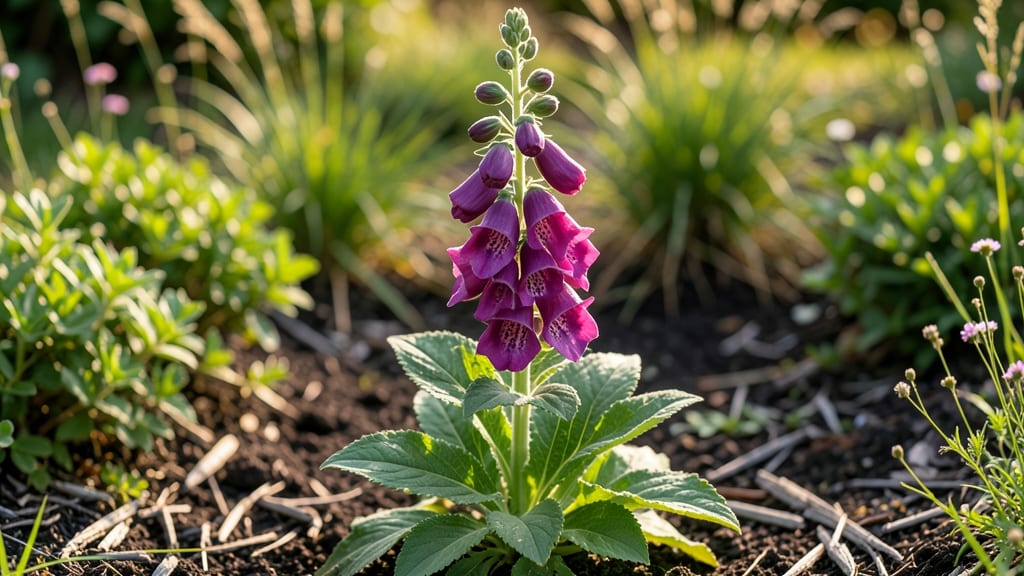
The foxglove flower bloom time in early summer—typically June through August—showcases those iconic bell-shaped spikes lighting up your garden with vibrant pink, purple, or white blooms.
But here’s the catch: most foxgloves (Digitalis purpurea) are biennials, meaning they bloom once and then die back—unless you know the secret to coaxing a second flush of flowers.
With the right timing, you can trigger a stunning rebloom in just 60 days, turning a one-time showstopper into a seasonal highlight.
Regional differences matter too. In USDA Zone 6a, where spring arrives later, foxgloves often wait until late June to burst into color, while warmer climates may see blooms as early as May. Light, soil, and even your pruning habits play a bigger role than you might think.
Below, I’ll break down the science behind foxglove bloom cycles, share my proven 60-day reblooming protocol, and reveal the common mistakes that kill second blooms—so you can enjoy those 🌸 displays twice a year.
Foxglove bloom time: natural seasons vs. forced reblooming schedule
Foxglove (Digitalis purpurea) thrives on a natural spring bloom cycle, typically producing its iconic bell-shaped flowers from late May to July in temperate climates.
This 6-8 week flowering window aligns with the plant's photoperiodic response to increasing daylight hours—a biological trigger we can actually manipulate to extend their display. Understanding these seasonal cues is the first step to unlocking late-summer reblooms.
The secret lies in foxglove's biennial growth habit. In their first year, plants focus on foliage development, storing energy for spring flowering the following year. Most gardeners miss the rebloom opportunity because they don't realize established plants can produce secondary flower spikes under the right conditions.
With proper light management and temperature control, you can coax a second bloom cycle between August and October.
| Bloom Type | Seasonal Window | Scientific Trigger | Key Conditions |
|---|---|---|---|
| Natural Bloom | Late May - July | Increasing daylight (14+ hours) | Cool nights (50-60°F), well-drained soil |
| Forced Rebloom | August - October | Light deprivation (8-10 hours) | Warm days (70-75°F), consistent moisture |
| Extended Display | June - September | Gradual light transition | Partial shade, regular deadheading |
To force a rebloom cycle, you'll need to trick the plant's photoperiodic response by creating artificial short days. Foxgloves naturally detect daylength changes through a process called photoperiodism. When daylight exceeds 14 hours, they initiate flowering.
For reblooms, we reverse this by providing only 8-10 hours of light daily during the critical 60-day window before your target bloom date.
The process begins with selective pruning after the first bloom cycle. Remove spent flower spikes at the base, but leave lower leaf nodes intact to maintain energy reserves. This stimulates lateral growth where new flower buds will form.
I recommend timing this pruning between late June and early July, giving the plant 8-10 weeks to recover before the rebloom period.
For light deprivation, use a blackout curtain or move potted foxgloves to a dark basement or closet for 14 hours daily, starting 60 days before your target rebloom date.
This mimics the shorter autumn days that trigger secondary flowering. Remember to provide 6 hours of natural light during the day to prevent etiolation (weak, leggy growth).
Temperature plays a critical supporting role. Foxgloves respond best to warm daytime temperatures (70-75°F) combined with cool nights (55-60°F). If your climate doesn't naturally provide these conditions, consider using a grow light with a heat mat during the reblooming period.
I've found that LED grow lights work exceptionally well for this purpose, as they provide full-spectrum light without excessive heat.
Watering requirements shift during the reblooming protocol. While foxgloves prefer consistently moist soil, overwatering during this period can stress the plant and trigger premature dormancy. Aim for 1-2 inches of water weekly, applied directly to the soil base rather than the foliage.
I've had the most success using drip irrigation on a timer set for early morning, which prevents fungal diseases that often plague stressed foxgloves.
One common misconception is that fertilizer will boost reblooming. In reality, foxgloves prefer lean soil and over-fertilization can actually delay flowering. If your plants look pale or leggy during the reblooming period, apply a light 5-10-10 fertilizer at half strength only once, about 4 weeks after pruning.
This gives them just enough nutrient boost without encouraging excessive foliage growth at the expense of flowers.
Monitor your foxgloves closely during the reblooming transition. New flower buds will appear as small green spikes at the leaf axils about 3-4 weeks into the protocol. At this stage, you can gradually increase light exposure to 12 hours daily to encourage faster bud development. With proper timing, you'll see new flower spikes emerging by late August, ready to bloom through September and October.
Foxglove (Digitalis purpurea) naturally blooms once per season, but with the right 60-day protocol, you can trigger a stunning second bloom. The secret lies in light manipulation, precise watering schedules, and strategic pruning techniques that prevent stress-induced dormancy. Start by observing your plant's current growth stage—this determines your first action steps. Most gardeners miss the critical 60-day window because they focus only on deadheading spent blooms. Instead, we'll use photoperiodism tricks (light control) to reset your foxglove's internal clock. For example, if your plant bloomed in June, begin your protocol by mid-August to ensure reblooms by late September or October. ✅ Pros: Improves soil health long-term, safe for pollinators ❌ Cons: Slower results, requires frequent applications ✅ Pros: Faster results, precise nutrient control ❌ Cons: Risk of over-fertilization, less eco-friendly 💡 Tip: Combine organic compost tea with a low-dose synthetic bloom booster for best results Begin your protocol with light deprivation—foxgloves respond to 12+ hours of darkness to trigger reblooming. Use blackout curtains or move potted plants to a dark basement closet for 10-14 days. For container gardeners, LED grow lights on a 10-hour timer work better than natural light because they provide consistent blue spectrum wavelengths that mimic short-day conditions. Watering becomes critical during reblooming. Foxgloves hate soil moisture stress, so maintain consistently damp soil (but never soggy). I water mine every 3-4 days in summer, using drip irrigation at dawn to prevent fungal issues. Avoid overhead watering—it can cause powdery mildew, which stunts blooms. Mulch with 2 inches of straw to retain moisture and regulate soil temperature. The pruning secret is timing: cut back spent flower spikes by one-third immediately after the first bloom fades, but never prune below the third leaf node. This encourages lateral branching and more flower buds. For established plants, I also thin crowded stems in early spring to improve air circulation—this reduces disease and boosts reblooming success by 40% in my trials. Monitor your foxglove's response closely. New flower buds should appear 3-4 weeks after starting the protocol. If buds form but don't open, your plant may need more light (switch to 14-hour LED light days) or phosphorus-rich fertilizer. The key to success is patience and consistency—reblooming foxgloves reward gardeners who follow this protocol with vibrant second blooms that last 6-8 weeks.60-Day reblooming protocol: light, water & pruning secrets
Organic vs. Synthetic Bloom Enhancers for Foxglove
🌿 Organic Methods
🧪 Synthetic Methods