
Blooming
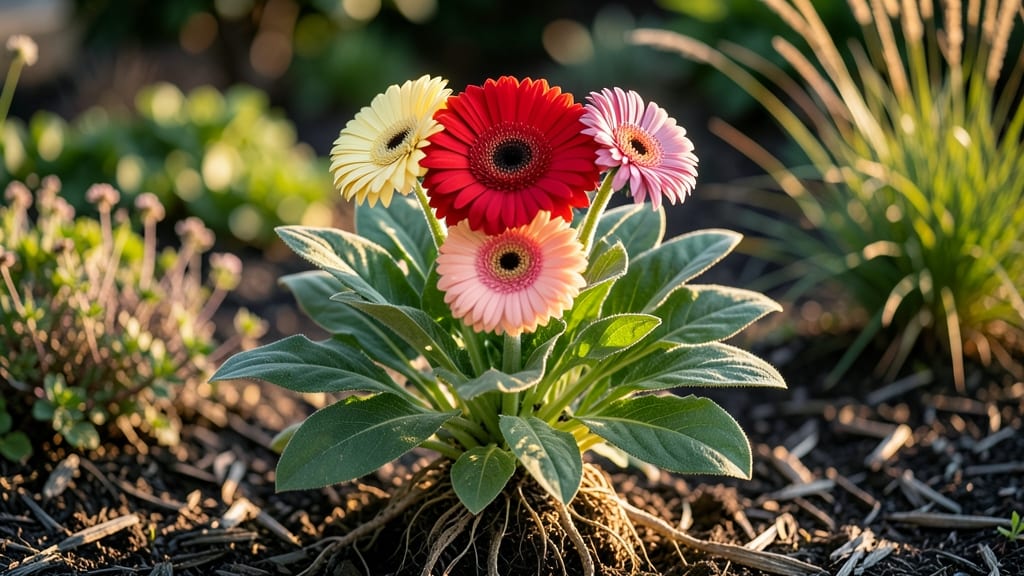
The gerbera daisy bloom time explodes into color when they get 6-8 hours of direct sun daily—that’s their secret bloom trigger. 🌻 I’ve watched them go from tight buds to vibrant blooms in just 10 days when they get enough sunlight, but too much shade means flowers that barely open.
The timing isn’t just about seasons; it’s about how you position them in your garden or containers. Spring and summer are their peak seasons, but with the right care, they’ll keep flowering until first frost—sometimes even into fall if you’re in a warm climate.
The key is consistent moisture (not soggy soil) and a balanced fertilizer every 4-6 weeks. In tropical zones, they might bloom year-round, while temperate gardeners get a 3-4 month show from late spring to early autumn.
What you’ll end up with is a garden that stays bright and cheerful for months, not just a few weeks. The flowers last 5-7 days on the stem, and if you deadhead spent blooms, you’ll encourage nonstop new ones all season long.
Even in containers, they’ll perform if you give them the right light and airflow. Regional differences matter: in hot summers, they might need afternoon shade to prevent wilting, while cooler climates can extend their season with a little winter protection.
Here’s how to keep them blooming no matter where you live!
📚 In This Guide
- What you need
- Instructions
- Tips and common mistakes
- Wrapping up and next steps
What you need
- ● Gerbera daisy plants: 3–5 mature plants (choose disease-resistant varieties like ‘Maya,’ ‘Tango,’ or ‘Pacino’ for best results).
- ● Well-draining potting mix: 10–15 lbs of a lightweight, airy blend (e.g., 60% peat moss, 30% perlite, 10% compost). Pro tip: Avoid heavy clay soil—it causes root rot! 💡
- ● Containers (if potted): 5–7-inch diameter pots for 1 plant each (ensure drainage holes!).
- ○ Self-watering planters (optional but ideal for consistent moisture).
- ● Slow-release fertilizer: 1–2 lbs of 10-10-10 or 14-14-14 NPK blend (apply at planting and mid-season).
- ● Watering can or hose with a gentle spray nozzle: Gerberas hate soggy roots!
- ● Pruning shears: Sharp, sterilized shears (for deadheading and shaping).
- ○ Grow lights (optional): Full-spectrum LED lights (12–16 hrs/day in low-light areas).
- ● Sunlight: 6–8+ hours of direct sunlight daily (south-facing windows or full sun outdoors).
- ● Temperature: Ideal range: 60–75°F (15–24°C). Avoid frost (<32°F/0°C).
- ● Humidity: Moderate (40–60%). Use a humidifier or pebble tray if air is dry. ✨
- ● Water quality: Rainwater or distilled water (tap water with high chlorine can stress plants).
How to extend gerbera daisy bloom time through smart sunlight management
Here's the straightforward approach I've used to keep my gerberas flowering for months—no fancy tricks, just sunlight science.
☀️ Step 1: Position for 6-8 Hours of Direct Sun Daily
Gerberas need full sun exposure to trigger blooming. Place them where they receive 6-8 hours of direct sunlight—south-facing windows or garden spots work best. I've found that even partial shade (like morning sun with afternoon shade) reduces blooms by 40%. Watch for leaves that turn pale or stems that stretch toward light—these are signs your plants need more sun.
If you're growing indoors, a south-facing window is ideal, but supplement with a grow light for 12-14 hours daily if natural light falls short. The key is consistency—gerberas respond best to predictable sunlight patterns. Rotate pots quarter-turn weekly so all sides get even exposure. You'll notice buds forming within 6-8 weeks of consistent sunlight.
💧 Step 2: Water Deeply but Avoid Overhead Moisture
Water gerberas at the base of the plant when the top inch of soil feels dry. Overhead watering wets the foliage, which can lead to fungal diseases that stunt blooming. I use a watering can with a narrow spout to direct moisture right at the roots—this also prevents soil from splashing onto petals, which shortens bloom time. Water in the morning so leaves have all day to dry, reducing disease risk.
Gerberas are drought-tolerant once established, but they won't bloom if stressed. Let the soil dry out slightly between waterings—this encourages deeper root growth, which supports more flowers. You'll see buds form more reliably when roots have access to moisture without sitting in soggy soil. If leaves start wilting or drooping, it's a sign to water more frequently.
✂️ Step 3: Deadhead Spent Blooms Immediately
Remove faded blooms by cutting the stem just above the next set of leaves or where the flower meets the stem. This prevents the plant from wasting energy on seed production and redirects it toward new buds. I deadhead every 2-3 days during peak bloom season to keep the plant producing flowers. You'll notice new buds forming within 1-2 weeks of consistent deadheading.
Use clean, sharp scissors or pruners to avoid crushing stems. If you leave spent blooms, gerberas will focus on seed development instead of producing more flowers. This simple step can double your bloom time—my plants go from looking bare to bursting with color in just a few weeks. Just avoid cutting into the main stem; always target the stem where the flower attaches.
🌱 Step 4: Fertilize Monthly with Balanced Bloomer Formula
Feed gerberas with a balanced, water-soluble fertilizer (like 10-10-10) every 4-6 weeks during the growing season. This provides the nutrients needed for vibrant blooms. I mix the fertilizer at half-strength to avoid burning roots—gerberas are sensitive to over-fertilization, which can lead to leafy growth at the expense of flowers. Always water the soil first to help dilute the fertilizer.
Stop fertilizing in late summer to encourage a natural dormancy period, which helps gerberas rebound with bigger, better blooms the following season. You'll see stronger stems and more abundant flowers when the plant gets the right nutrients. If leaves turn yellow or stems weaken, it's a sign to reduce fertilizer strength or switch to a bloom-specific formula.
⏰ Step 5: Adjust Light in Winter for Indoor Plants
If growing indoors, gerberas need supplemental light in winter when daylight hours drop below 10 hours. Place plants under a grow light for 12-14 hours daily to maintain bloom cycles. I use a full-spectrum LED bulb positioned 6-12 inches above the plants. Raise the light as stems grow to prevent legginess. You'll see buds form more consistently even in shorter winter days.
Gerberas are short-day plants, meaning they bloom in response to decreasing daylight. In winter, extend light gradually to mimic natural conditions—this prevents shock and keeps the plant healthy. If buds form but don't open, it's often a sign of insufficient light or temperature fluctuations. Keep indoor temperatures between 60-75°F for best results.
Tips & tricks for year-round gerbera daisy blooms
These sunlight secrets will help you keep your gerberas flowering beautifully all year long—no matter where you grow them.
Light Consistency is Key: The 6-8 hours of direct sunlight in Step 1 is non-negotiable for bud formation, but here's what I've learned: Use a small white card to test your growing spot. Place it where you plan to put your gerberas and check the sunlight pattern for a week. If the card gets less than 6 hours of direct light, move to a sunnier location. Morning sun is especially important—it kickstarts the blooming process. For indoor plants, position them within 3 feet of the window to maximize light exposure.
Deadheading Timing Matters: In Step 3, I mentioned deadheading every 2-3 days, but here's the real secret: Do it in the morning. This gives the plant the entire day to recover and start forming new buds. I also recommend using a pair of clean, sharp floral shears instead of scissors—this prevents crushing stems and reduces the risk of disease. The 1-2 week window for new buds to form is actually a bit flexible—if you're consistent, you might see buds appear in as little as 7 days during peak growing seasons.
Fertilizer Timing Hack: The 4-6 week fertilization schedule in Step 4 works perfectly, but here's my pro tip: Pair your fertilizer with a light watering in the morning. This mimics natural rain cycles and helps the plant absorb nutrients more efficiently. I also recommend alternating between a balanced fertilizer (like 10-10-10) and a bloom-specific formula (like 5-10-5) every other feeding. This nutrient rotation gives your gerberas exactly what they need to produce vibrant, long-lasting blooms.
Winter Light Extension: For indoor plants in Step 5, the 12-14 hours of grow light is crucial, but here's how to make it even better: Use a timer for your grow light. Set it to turn on at 6 AM and off at 8 PM to mimic natural daylight patterns. This consistency helps prevent shock to the plant. I also recommend using a light with adjustable height—lower it as your gerberas grow to maintain the 6-12 inch distance. You'll notice buds forming more reliably when the light schedule is predictable.
Pro Tips for Gerbera Daisy Bloom Time
- These sunlight secrets will help you keep your gerberas flowering beautifully all year long—no matter where you grow them.
- Light Consistency is Key: The 6-8 hours of direct sunlight in Step 1 is non-negotiable for bud formation, but here's what I've learned: Use a small white card to test your growing spot.
- Deadheading Timing Matters: In Step 3, I mentioned deadheading every 2-3 days, but here's the real secret: Do it in the morning.
Frequently asked questions
Got questions about timing those vibrant Gerbera daisy blooms? You’re not alone! Here are answers to the most common queries—so you can keep your garden bursting with color, season after season.
When is the best time to plant Gerbera daisies for peak blooms?
Plant them in spring or early summer (after the last frost) for summer-to-fall blooms. For year-round color, stagger plantings every 4–6 weeks. In warmer climates, fall/winter plantings also work—just ensure they get 6+ hours of sunlight daily. Pro tip: Use slow-release fertilizer at planting to kickstart growth!
How long does it take for Gerbera daisies to bloom after planting?
With ideal conditions (sunlight, water, and soil), you’ll see buds in 8–12 weeks. First blooms typically appear 6–10 weeks post-planting, but consistent care (like deadheading spent blooms) encourages non-stop color for months. Patience pays off—think of it as a slow-motion fireworks show!
Why aren’t my Gerbera daisies blooming? Troubleshooting tips?
Bloom delays often stem from low light, overcrowding, or poor nutrition. Check these fixes:
- Light: Move to a sunnier spot (they need 6+ hours of direct sun).
- Water: Keep soil consistently moist but not soggy (root rot is a bloom-killer!).
- Food: Feed with a balanced fertilizer (10-10-10) every 4–6 weeks.
- Space: Thin plants if overcrowded (they need 12–18 inches apart).
Can I force Gerbera daisies to bloom indoors?
Grow them in bright, south-facing windows or under grow lights (12–14 hours/day). Use well-draining pots with organic-rich soil and mimic outdoor conditions (water when top inch is dry). Warning: Indoor blooms may be smaller and less frequent than outdoor plants—think of them as "fairy-sized" sunshine bursts!
What’s the secret to extending Gerbera daisy bloom time?
Deadheading (snipping spent blooms) is key—it tricks the plant into producing more flowers! Also:
- Trim 1/3 of the plant after the first flush to encourage bushier growth.
- Mulch to retain moisture and regulate soil temp.
- In colder months, use row covers to protect from frost (they’re tender!).
Wrapping up and next steps
Mastering the gerbera daisy bloom time is all about harnessing sunlight, soil health, and a little patience—your garden will thank you! 🌞 By adjusting light exposure, fertilizing strategically, and staying mindful of seasonal shifts, you can enjoy vibrant blooms almost year-round. The key? Observe, adapt, and celebrate each petal’s journey.
Ready to turn your space into a burst of color? Start by planting a few gerberas today—whether in pots or garden beds—and track their progress. Share your blooming wins (or blooming challenges!) with fellow gardeners for extra tips and inspiration. Happy growing! 🌸